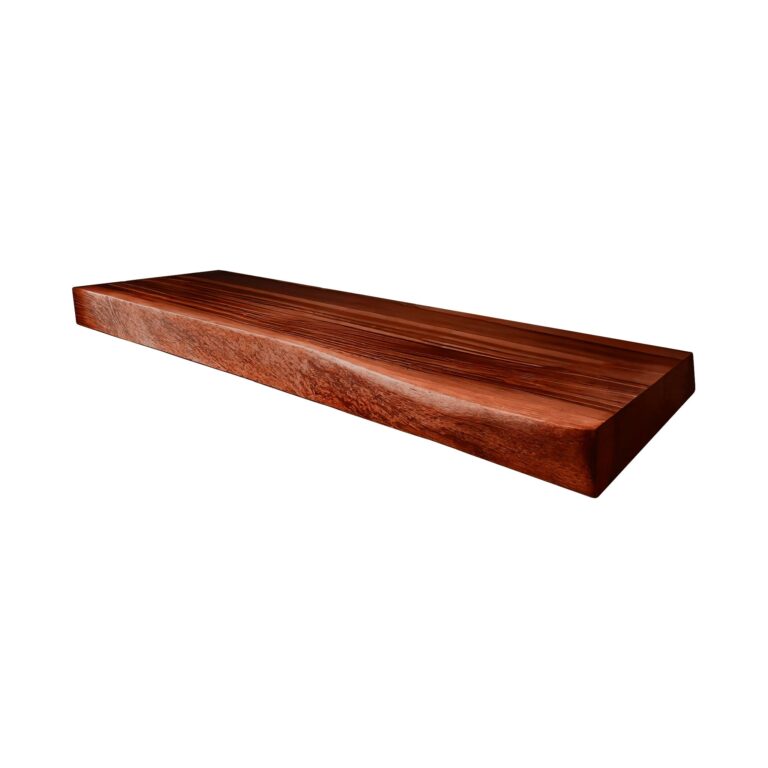
Farmhouse Tree Branch Bookshelf Ideas for Cozy Homes
A tree branch bookshelf is a statement piece that blends rustic charm with functional storage. Whether you want a full wall installation or a small accent shelf, a branch bookshelf can make your farmhouse feel warmer, more organic, and uniquely yours. This guide covers design inspiration, detailed DIY building steps, material lists, finishing and maintenance tips, safety advice, sourcing suggestions, budgets, and styling recommendations.

Why Choose a Tree Branch Bookshelf?
- Authentic farmhouse character: The natural lines and knots in branches add texture and visual interest that mass-produced shelving lacks.
- Sustainable option: Repurposing fallen branches or reclaimed wood reduces waste and supports eco-friendly design.
- Customizable: Branches can be arranged to fit nooks, display height-varying items, or become a focal wall installation.
- Conversation starter: Guests often ask about the story behind an organic, hand-built piece.
Design Concepts and Placement
Start by deciding the scale and placement. Here are popular farmhouse layouts for a tree branch bookshelf:
- Corner accent shelf: Small, vertical branch with staggered boards to hold a few books and plants. Great for entryways or bedrooms.
- Floating branch wall: Horizontal branch mounted to studs with hidden brackets and slim planks attached on top for a minimalist look.
- Freestanding ladder-style bookshelf: Branches form the side rails, with reclaimed wood treads. Ideal for leaning against a wall.
- Full wall installation: Multiple branch supports create a custom library wall. Best for a large living room or reading nook.
Materials and Tools Checklist
Use this practical list for most tree branch bookshelf projects. Quantities vary by design and size.
Materials
- Sturdy branches or small trunks (seasoned and treated)
- Reclaimed or new shelving planks (pine, oak, or poplar)
- Wood screws and lag bolts
- Metal brackets or hidden shelf supports
- Wood glue and epoxy for joints
- Clear polyurethane or farmhouse-friendly stains
- Sandpaper (80, 120, 220 grit)
- Wood hardener (if using softer or partially decayed wood)
- Protective finish: water-based polyurethane or tung oil
Tools
- Drill and drill bits
- Socket set for lag bolts
- Saws: miter saw or circular saw
- Sander or sanding block
- Clamps
- Level and stud finder
- Measuring tape and pencil
- Respirator mask and gloves
Step-by-Step DIY: Build a Simple Wall-Mounted Tree Branch Bookshelf
This step-by-step covers a medium-sized, wall-mounted shelf using one horizontal branch and three planks. Adapt dimensions to your space.

- Choose and prep the branch: Select a branch long enough for your shelf. Prefer branches 3-6 inches in diameter for stability. Remove loose bark, sand smooth, and treat with wood hardener if needed. Let it dry completely.
- Measure and plan: Mark where the shelf planks will sit. Use a stud finder to locate studs where you will anchor the branch. If studs are not available along the length, plan for heavy-duty wall anchors or a French cleat system.
- Cut and sand planks: Cut shelf planks to desired length. Sand edges and faces until smooth and wipe off dust.
- Attach hidden brackets to planks: Pre-drill holes and screw in concealed shelf supports or metal brackets. These will slot over or screw into the branch supports.
- Mount branch to wall: Secure the branch to wall studs using lag bolts through the thickest part of the branch. Use a level to ensure straightness. For multiple support points, anchor at two or three locations depending on length and weight load.
- Install planks: Slide or set the planks onto the branch brackets, secure with screws through the bracket into the plank. Check alignment and level for each shelf.
- Finish and seal: Apply stain if desired, then coat with 2-3 layers of a clear finish for protection. Let cure fully before loading books.
Safety Considerations
- Always anchor heavy shelves to studs or use rated wall anchors to prevent collapse.
- Check the integrity of each branch. Avoid wood with deep rot or unstable cracks unless professionally reinforced.
- Consider weight distribution: heavier books should sit on lower shelves or closer to studs/bracing points.
- If children will be near the shelf, bolt the entire unit to the wall and avoid low, climbable ledges.
- Wear PPE when cutting and sanding wood; treat old wood for pests before bringing it inside.
Finishing Tips for Farmhouse Style
Finish choices shape the final look:
- Whitewashed: Thin white paint over sanded wood to create a weathered farmhouse look while letting grain show through.
- Natural oil finish: Tung or Danish oil enhances grain and maintains a rustic, matte appearance.
- Dark stain: For contrast in light rooms, choose a walnut or espresso stain to give the branch and planks a refined farmhouse vibe.
- Distressing: Light distressing with a chain or hammer yields an antique feel; seal after distressing to protect the surface.
Maintenance and Longevity
- Dust regularly with a soft cloth. Avoid excessive moisture and direct sunlight to prevent warping.
- Check hardware annually and tighten any loose screws or bolts.
- If finish wears, sand lightly and reapply a thin protective coat.
- For outdoor or semi-outdoor installations, use exterior-grade finishes and stainless steel hardware to resist corrosion.
Sourcing Branches and Materials
Options to obtain branches safely and legally:
- Local fallen wood: Collect branches after storms from your property or with permission from neighbors.
- Reclaimed wood suppliers: Salvage yards and reclamation stores sell aged branches and planks with character.
- Online marketplaces: Many artisans sell cleaned and kiln-dried branches suitable for furniture making.
- Lumber yards: For planks and structural pieces, a local lumber supplier provides consistent quality and advice.
Estimated Budget Ranges
- Small accent shelf: $50 to $150 — single branch, 1-2 planks, basic hardware.
- Mid-sized wall shelf: $150 to $400 — kiln-dried branch, higher quality planks, hidden supports.
- Full wall installation: $400 to $2,000+ — multiple branches, custom joinery, professional install for safety.
Styling and Placement Ideas
- Pair a tree branch bookshelf with neutral linens and woven baskets for a classic farmhouse library corner.
- Use vintage books, ceramic jugs, and a framed family photo to emphasize warmth and storytelling.
- In small spaces, use vertical narrow shelves to free floor area and draw the eye upward.
- Combine with greenery like trailing pothos or small succulents to highlight the natural theme.
Target Audience and Accessibility Tips
This project suits DIY enthusiasts, farmhouse homeowners, interior designers seeking bespoke shelving, and eco-conscious decorators. For accessible design:

- Keep lower shelves at reachable heights for mobility-impaired users.
- Ensure shelf edges are sanded smooth and free of splinters.
- Use contrasting finishes or tactile labels if organizing books for visually impaired family members.
Sourcing Professional Help
If you prefer a custom, guaranteed-safe installation, hire a carpenter experienced with live-edge or reclaimed wood. Ask for references, examples of previous branch furniture, and an itemized quote. For complex wall loads or tall installations, a structural assessment can prevent problems down the line.
FAQs
How much weight can a tree branch bookshelf hold?
Capacity depends on branch diameter, mounting method, and fasteners. A securely mounted branch anchored to studs and supported with metal brackets can hold 50 to 150 lbs per shelf. When in doubt, err on the side of overbuilding and test gradually.
Do I need to kiln-dry branches?
Drying reduces the risk of cracking and infestation. If you collect green wood, allow it to air-dry for several months in a covered, ventilated space or seek kiln-dried branches from suppliers for immediate use.

Can I paint a tree branch bookshelf?
Yes. Chalk paint or milk paint fits farmhouse aesthetics; prime well and seal to protect the finish. Whitewashing preserves texture while brightening a room.
Is a branch bookshelf pet-friendly?
Ensure finishes are non-toxic and secure any low shelves to prevent pets from climbing. Avoid small decorative items that can be chewed or knocked down.
Internal Linking and Further Reading Suggestions
For a complete farmhouse decor refresh, consider linking to internal posts such as “DIY Live-Edge Tables for Farmhouse Dining”, “How to Build a Cozy Reading Nook”, or “Sustainable Sourcing for Reclaimed Wood Projects”. These resources pair well with a tree branch bookshelf and help visitors explore related content on your site.
Conclusion
A tree branch bookshelf is more than storage; it’s artisanal decor that brings nature indoors. With proper planning, structural support, and attention to finish and safety, you can create a farmhouse focal piece that is both beautiful and durable. Whether you build it yourself or commission a craftsman, let the branch’s natural character guide the final design and styling for a truly cozy home.