Floating Bathroom Vanity Designs That Instantly Modernize Your Space
A floating bathroom vanity is one of the most effective upgrades for creating a clean, contemporary bathroom. By mounting the vanity to the wall and leaving open space beneath, this design makes the room feel lighter, larger, and more refined. Whether you are remodeling a compact powder room or designing a spa-like primary bath, a floating vanity introduces sleek lines, visual openness, and practical functionality.
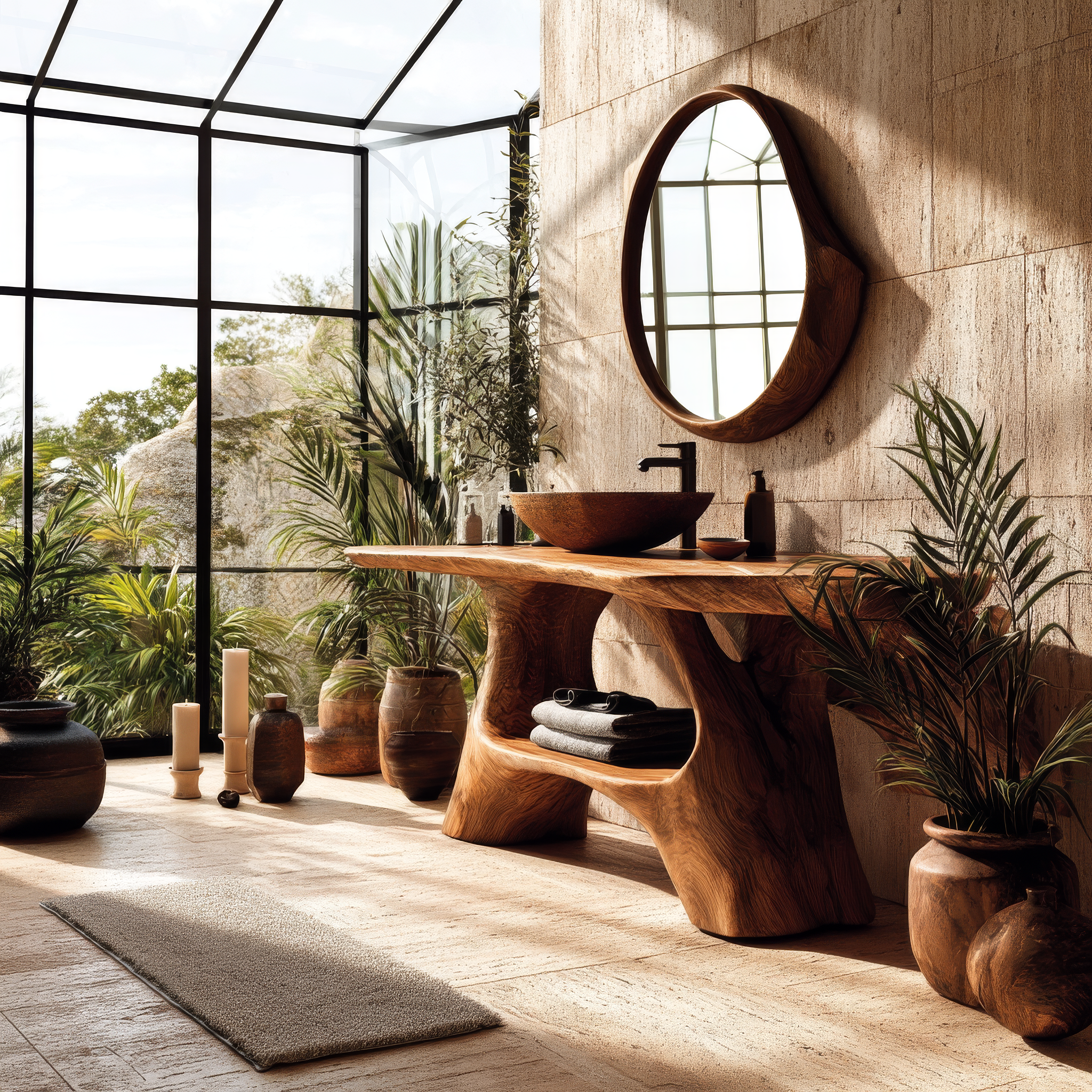
Today’s best floating vanities come in a wide range of materials, finishes, and configurations. From a solid wood bathroom vanity with natural grain to a luxury bathroom vanity with integrated lighting and stone tops, there is a style to suit virtually every interior. The appeal lies in the balance between beauty and utility: floating vanities offer modern aesthetics while also improving floor visibility, simplifying cleaning, and making smart use of wall space.
If you want a bathroom that feels current without becoming overly trendy, floating vanity designs are a strong investment. Below, we explore why they work so well, which materials perform best, and how to choose a design that elevates your space for years to come.
Why a Floating Bathroom Vanity Looks More Modern
Modern bathrooms often emphasize minimalism, open space, and intentional design. A floating bathroom vanity naturally supports all three. Because the cabinet does not sit directly on the floor, it creates a streamlined effect that reduces visual weight. This makes even a larger vanity appear more elegant and less bulky.
Another reason floating designs modernize a room so effectively is their architectural presence. They look integrated rather than simply placed, which gives the bathroom a custom, high-end feel. Pair that with wall-mounted faucets, under-vanity lighting, or a vessel sink, and the result can feel distinctly upscale.
In smaller bathrooms, a floating vanity also helps the room breathe. Exposed floor space tricks the eye into seeing more square footage, making the bathroom feel less cramped. This is especially valuable in urban homes, guest baths, and narrow layouts where every design choice affects the perception of space.
Best Materials for a Floating Vanity
Material selection has a major impact on both appearance and durability. Because bathrooms face regular moisture, humidity, and temperature shifts, choosing the right base material is essential.
Solid Wood Bathroom Vanity Options
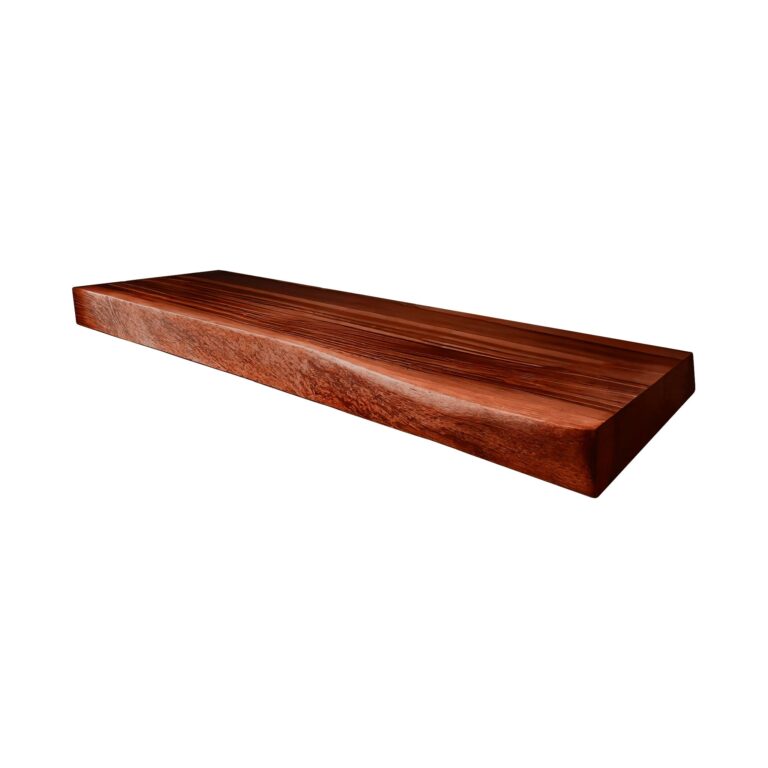
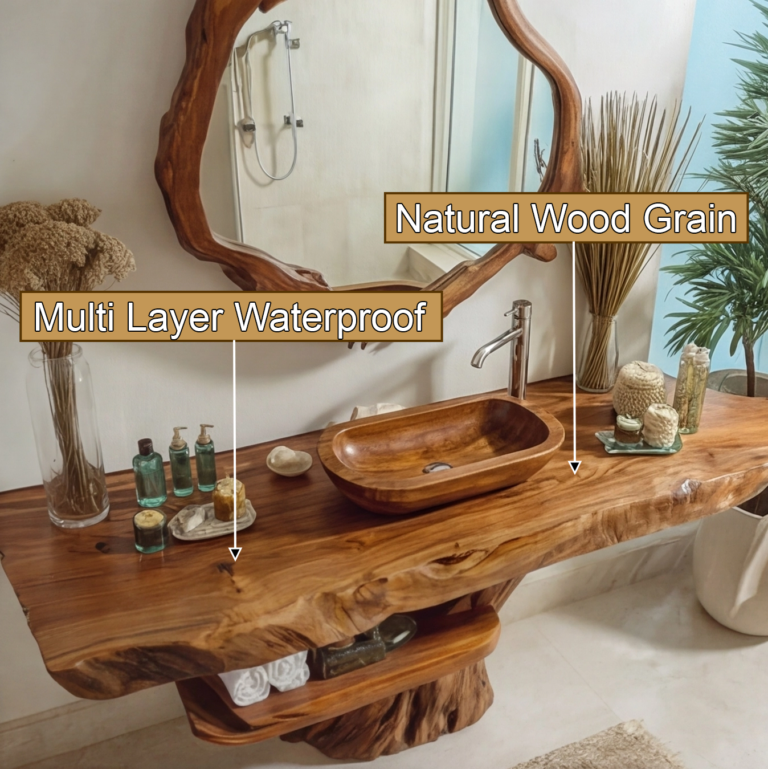
A solid wood bathroom vanity offers warmth, character, and longevity. Real wood can make a modern floating design feel more inviting and less sterile. Walnut, oak, maple, and ash are all popular for contemporary vanities because they combine attractive grain patterns with strong structural performance.
Solid wood works especially well in bathrooms where you want a natural, organic aesthetic. It pairs beautifully with white quartz tops, matte black hardware, brushed brass fixtures, and textured tile. When properly sealed, quality wood can perform well in humid environments while aging gracefully over time.
Modern Wood Bathroom Vanity Styles
A modern wood bathroom vanity often features clean slab fronts, flat-panel drawers, and minimalist hardware. The wood might be stained deep espresso for drama, left light and natural for Scandinavian influence, or finished in a medium tone for timeless appeal. Designers often use modern wood vanities to soften hard surfaces like porcelain, glass, and stone.
If your goal is an updated but welcoming bathroom, this category is especially versatile. A wood finish can bridge contemporary and transitional styles, helping the room feel sophisticated without being cold.
Teak Bathroom Vanity Benefits
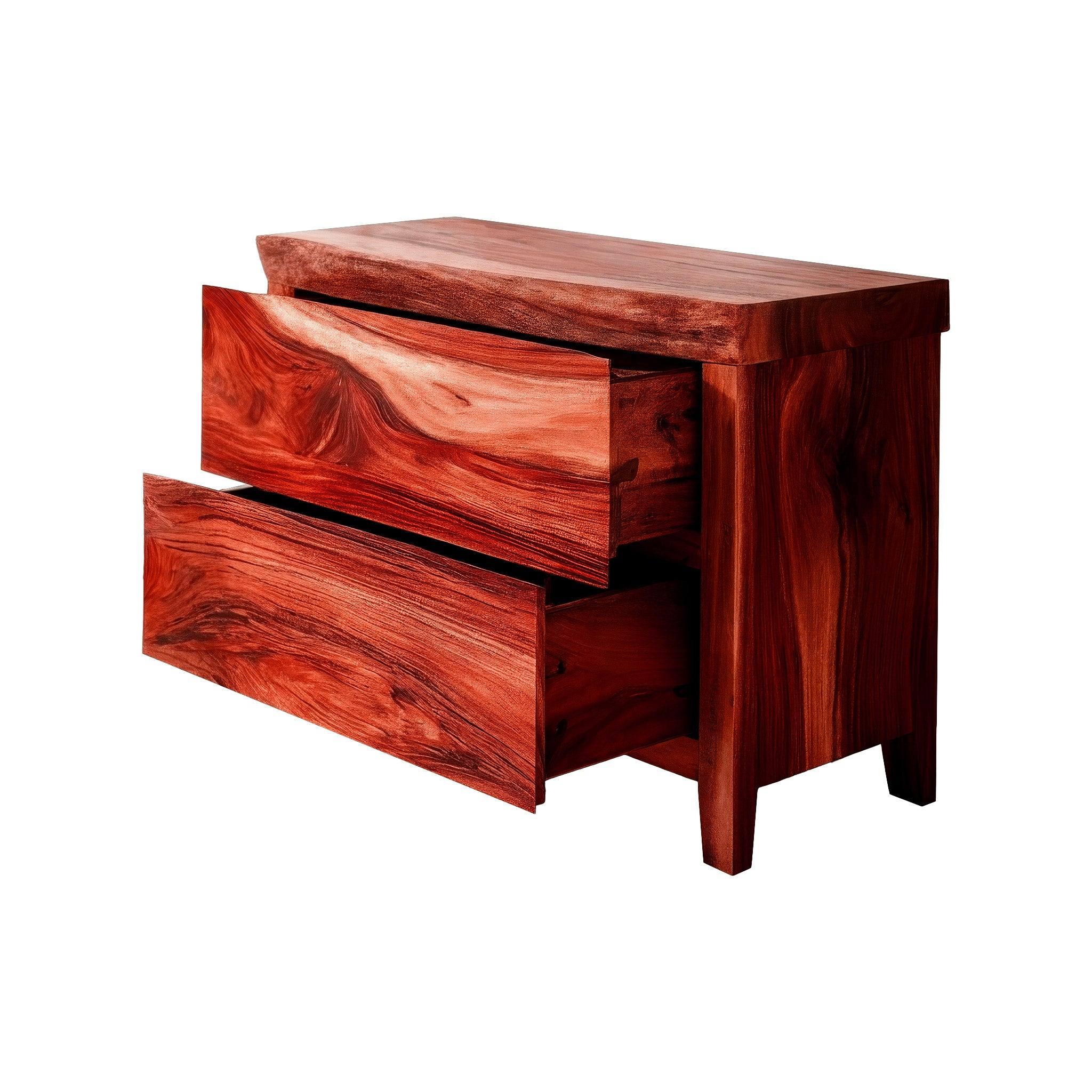
A teak bathroom vanity is a premium choice known for durability and natural moisture resistance. Teak contains oils that help it stand up better in damp conditions than many other woods. It also has a rich, elegant color and a fine grain that looks exceptional in floating form.
Teak is often associated with spa-inspired interiors and luxury resort design. If you want your bathroom to feel calm, elevated, and naturally beautiful, a teak floating vanity is an excellent option. It pairs particularly well with neutral palettes, walk-in showers, and organic stone details.
Popular Floating Bathroom Vanity Design Ideas
Floating vanities come in many interpretations, from understated to statement-making. The best design depends on your room size, storage needs, and overall style direction.
Single-Sink Floating Vanity
A single-sink floating bathroom vanity is ideal for powder rooms, guest baths, and smaller primary bathrooms. It keeps the design compact while still delivering the airy effect floating cabinetry is known for. Look for models with wide drawers rather than multiple small compartments to maximize storage efficiency.
Double Floating Vanity
For shared bathrooms, a double floating vanity delivers symmetry and convenience. Two sinks create a balanced visual anchor, while the open floor area below prevents the larger unit from feeling too heavy. This format works well in both contemporary and transitional homes, especially when paired with oversized mirrors and layered lighting.
Luxury Bathroom Vanity with Integrated Features
A luxury bathroom vanity often includes premium upgrades such as soft-close drawers, hidden outlets, integrated organizers, under-cabinet LED lighting, and designer stone countertops. In floating form, these details feel even more sophisticated because the vanity itself becomes a focal point.
Luxury designs frequently use high-end materials like rift-sawn oak, teak, marble, quartzite, or custom lacquer finishes. If you are investing in a larger renovation, a floating luxury vanity can dramatically elevate the perceived value of the bathroom.
Wood Bathroom Vanity with Open Shelf
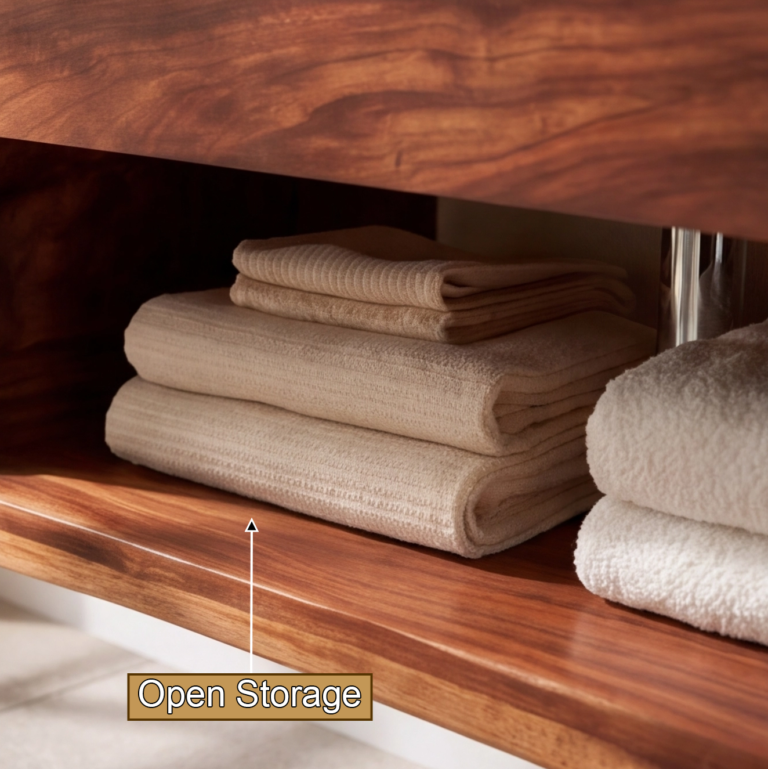
A wood bathroom vanity that combines closed drawers with an open shelf below can balance function and style. The shelf is useful for rolled towels, baskets, or decorative accents, while the enclosed storage keeps daily essentials neatly hidden. This style works particularly well when you want a floating look that still feels practical and approachable.
How to Choose the Right Floating Vanity Size
Size is critical when selecting a floating vanity. The modern look only works if the proportions fit the room. A vanity that is too small may feel underwhelming, while one that is too large can dominate the space and interfere with circulation.
For compact bathrooms, vanities in the 24-inch to 36-inch range are often ideal. Medium bathrooms can accommodate 42-inch to 60-inch designs comfortably. Larger primary bathrooms may support 72-inch or wider floating double vanities, provided there is enough clearance around doors, toilets, and showers.
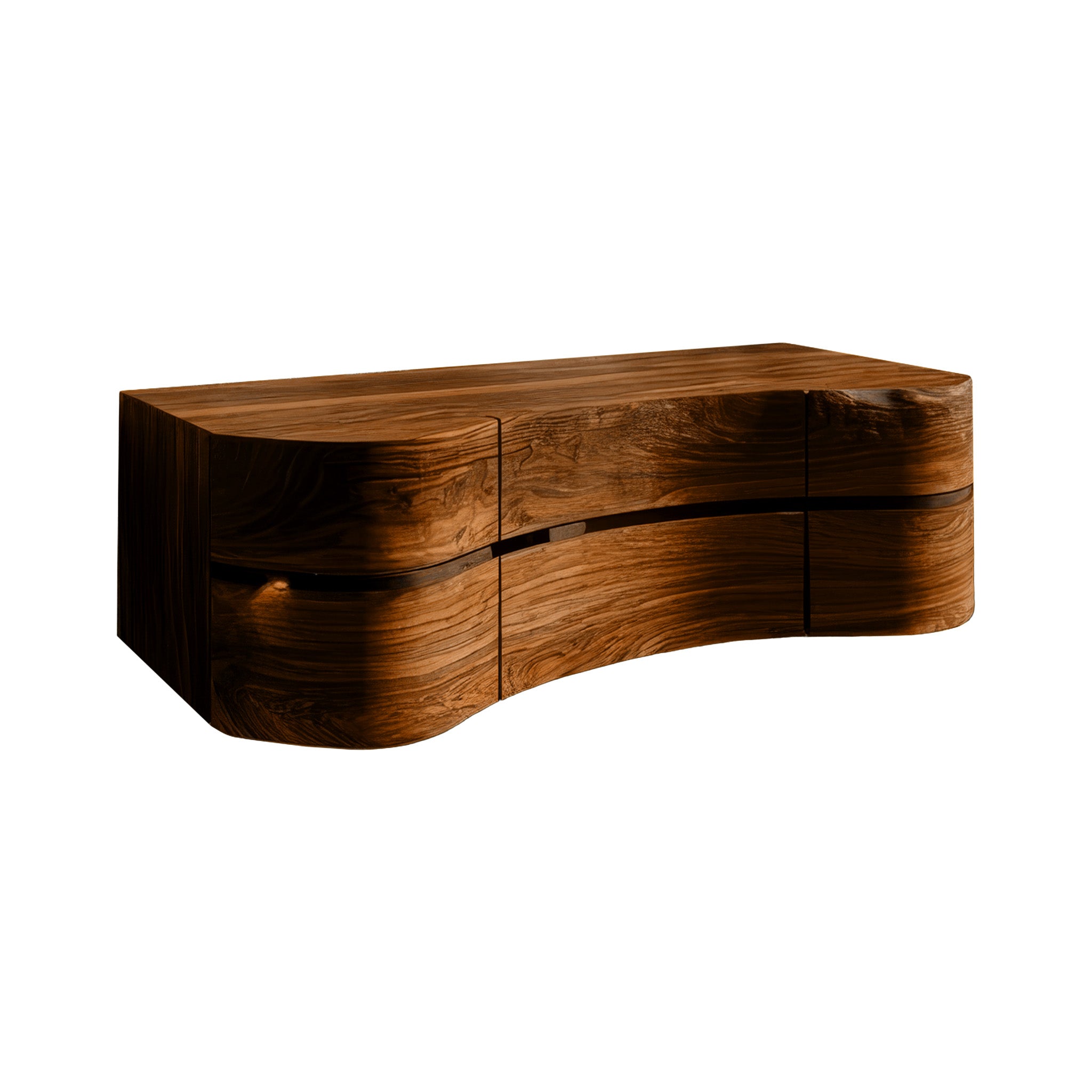
Height also matters. Floating vanities are often mounted at a custom height, which is one reason they feel tailored and high-end. Consider who uses the bathroom most often and how much space you want below the vanity. Leaving enough room underneath preserves the open effect while maintaining comfortable daily use.
Color and Finish Trends That Enhance Modern Appeal
The finish you choose will strongly influence how modern your bathroom vanity looks. Light oak and natural wood tones are popular for bright, organic bathrooms. Deep walnut and espresso finishes create contrast and richness. Matte black, charcoal, and navy vanities can also look striking in floating form, especially with warm metal hardware.
For a more timeless result, many homeowners prefer neutral wood finishes that highlight grain rather than conceal it. This makes a modern wood bathroom vanity feel authentic and sophisticated. White quartz countertops remain a favorite because they brighten the room and pair easily with most cabinet finishes.
If you want a warmer, more tactile aesthetic, an oak bathroom vanity can be especially effective. Oak adds texture and subtle visual movement, helping a modern bathroom feel layered rather than flat. In floating form, oak feels contemporary while still retaining classic character.
Storage Solutions in Floating Vanity Designs
One common concern is whether a floating vanity offers enough storage. The answer is yes, if the design is planned well. Deep drawers can hold toiletries, hair tools, extra soap, and personal care items more efficiently than traditional under-sink cabinets. Drawer organizers, dividers, and pull-out inserts make it easy to keep everything accessible.
If storage is a major priority, choose a floating vanity with full-extension drawers and thoughtful interior compartments. Pair it with a recessed medicine cabinet, wall niche, or tall linen tower if additional space is needed. In family bathrooms, this combination delivers the sleek look of a floating vanity without sacrificing organization.
Custom Floating Vanity Options
A custom wood bathroom vanity is often the best route when you want a perfectly fitted, architecturally integrated look. Custom work allows you to tailor width, depth, finish, storage layout, countertop selection, and sink placement to your exact space. This is especially useful in bathrooms with unusual dimensions, sloped walls, or a highly specific design vision.
Custom vanities also make it easier to create a signature statement. You might choose a white oak floating vanity with fluted drawer fronts, a walnut design with minimalist finger pulls, or a teak piece with integrated lighting beneath. The result feels intentional and one-of-a-kind, which is a major part of what makes a bathroom look truly modern.
Can Rustic Elements Work with a Floating Vanity?
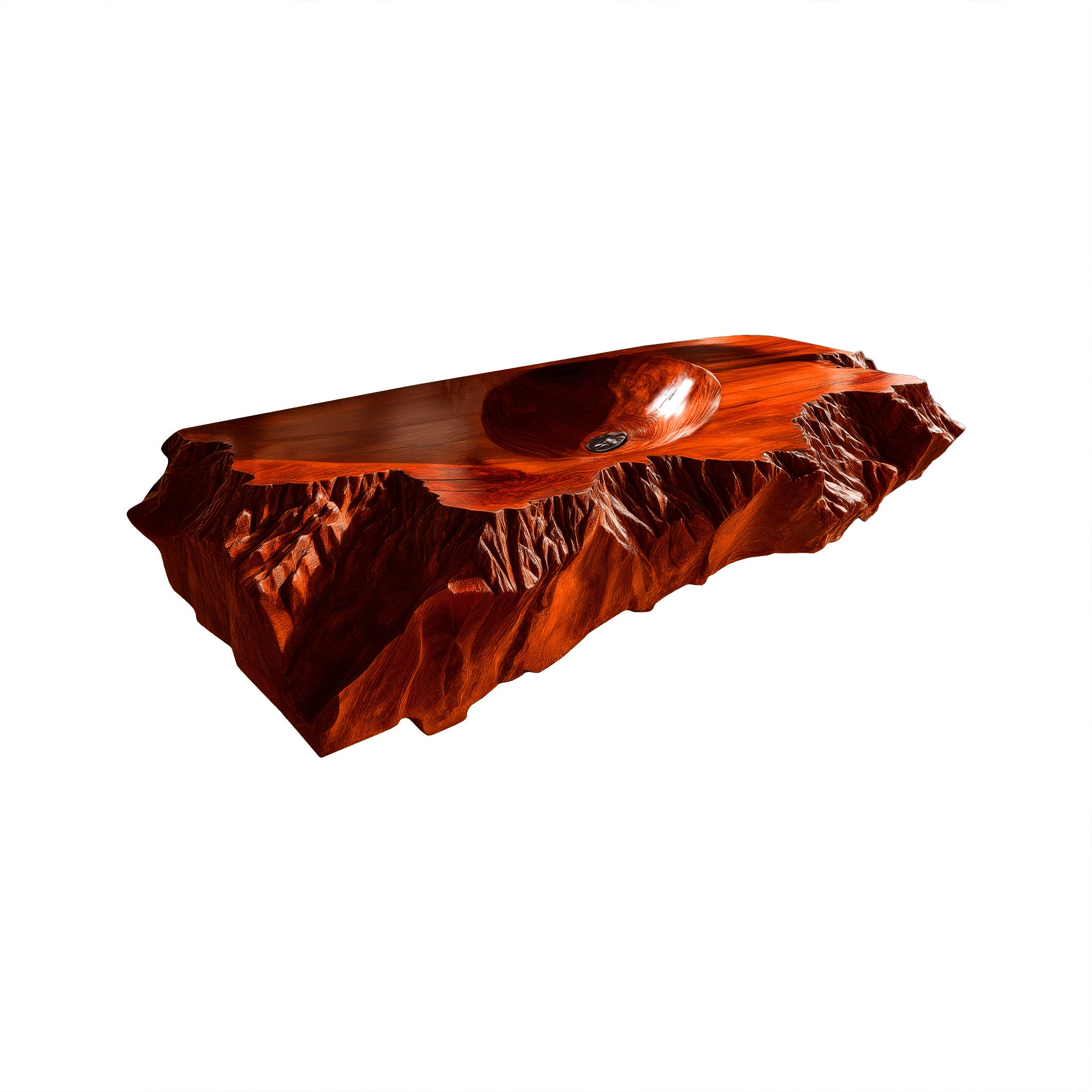
Absolutely. A rustic wood bathroom vanity can still feel modern when the silhouette is clean and wall-mounted. Reclaimed wood, wire-brushed oak, or weathered finishes can add texture and depth to a contemporary bathroom, especially when balanced with sleek mirrors, simple lighting, and understated fixtures.
The key is contrast. Rustic wood introduces character, while the floating installation keeps the overall look fresh and current. This blend is ideal for homeowners who want a bathroom that feels grounded and warm rather than ultra-polished.
Installation and Practical Considerations
Before choosing a floating vanity, make sure your wall can support the installation. Because the unit is mounted rather than floor-supported, proper reinforcement is essential. Contractors may need to add blocking behind the wall to ensure the vanity is secure, especially for larger double-sink models with stone countertops.
Plumbing placement is another factor. Floating vanities often expose more wall area, so drain lines and water supply locations may need to be adjusted for the cleanest appearance. This is usually manageable during a remodel, but it is worth addressing early in the planning process.
Lighting can also enhance the floating effect. Under-vanity LED strips create a soft glow that highlights the open space below and gives the room a polished, upscale feel. This simple addition can make a substantial visual difference, particularly in evening settings.
Styling Tips for a Cohesive Modern Bathroom
To get the most from your floating bathroom vanity, coordinate it with surrounding finishes. Frameless mirrors, wall-mounted faucets, large-format tile, and minimal hardware all complement floating cabinetry beautifully. If your vanity is wood, repeat that warmth elsewhere through shelving, mirror frames, or small decorative details.
Keep countertops relatively uncluttered to preserve the clean, modern impression. A tray for essentials, a ceramic soap dispenser, and a small plant are often enough. In many cases, restraint is what makes the vanity stand out.
Textiles matter too. Crisp white towels, neutral rugs, and simple window treatments support a serene, refined atmosphere. If you want to add personality, use contrast through lighting, artwork, or metal finishes rather than overcrowding the vanity area itself.
Why Floating Bathroom Vanities Remain a Smart Investment
Design trends come and go, but floating vanities have shown lasting appeal because they solve both aesthetic and functional challenges. They make bathrooms feel larger, cleaner, and more intentional. They work across a wide range of styles, from Scandinavian and minimalist to organic modern and transitional luxury.
Whether you choose a solid wood bathroom vanity, a sleek modern wood bathroom vanity, a refined teak bathroom vanity, or a true luxury bathroom vanity, the floating format instantly lifts the room. It adds contemporary elegance without requiring excessive ornament or dramatic color.
For homeowners seeking a meaningful bathroom upgrade, a floating wood bathroom vanity is one of the clearest ways to modernize the space. It combines visual lightness, practical storage, and timeless sophistication, making it a standout feature in both everyday routines and long-term home value.
Final Thoughts
If your goal is to create a bathroom that feels current, spacious, and thoughtfully designed, a floating bathroom vanity is a compelling choice. From light oak to rich walnut, from custom builds to spa-inspired teak, the possibilities are extensive. By focusing on quality materials, proper scale, and cohesive styling, you can choose a vanity that instantly transforms the room and keeps it looking modern for years.
The best floating vanity is not just attractive. It is well-built, appropriately sized, moisture-resistant, and aligned with the way you use your bathroom every day. When those elements come together, the result is a bathroom that feels elevated, functional, and unmistakably modern.