Tree Branch Bookshelf Removal and Replacement Options
A tree branch bookshelf can be a striking focal point, but when it’s time to remove or replace it, homeowners face specific challenges: structural attachment points, irregular shapes, and finishing details. This guide explains safe removal methods, disposal and repurposing strategies, and the full range of replacement options so you can choose what fits your style, budget, and timeline.

Before You Start: Assess the Tree Branch Bookshelf
Begin with a careful assessment. A clear evaluation prevents surprises and reduces repair costs later.
- Attachment type: Is the branch bookshelf freestanding, wall-mounted to studs, or hung with brackets or rope?
- Weight and load: How many books or items is it holding now? Heavy assemblies require stronger mounting for removal and for replacement shelving.
- Finish and fasteners: Identify screws, bolts, adhesives, or embedded hardware. Note finishes that may contain stain, varnish, or paint.
- Surrounding structure: Check the wall, floor, and adjacent trim for damage or hidden fixings.
Safety First: Tools and Safety Gear
Safe removal requires the right tools and protection. For most tree branch bookshelf projects you will need:
- PPE: safety glasses, gloves, dust mask or respirator, hearing protection
- Hand tools: pry bar, adjustable wrench, screwdrivers (Philips and flathead), pliers
- Power tools: cordless drill/driver, impact driver (for stuck fasteners), reciprocating saw (for cutting legacy supports)
- Cutting tools: hand saw or pruning saw if the branch is irregularly shaped
- Wall-mount tools: stud finder, level, tape measure, wall anchors or toggles if needed
- Moving aids: furniture dolly, moving straps, a second pair of hands for heavy or awkward pieces
Step-by-Step Removal Process
- Clear the shelves. Remove all books and decor. Photograph the installation for reference.
- Locate and label fasteners. Find every screw, bolt and attachment to wall studs or ceiling joists.
- Secure the piece. If freestanding, brace it so it won’t tip when a fastener is removed. For wall-mounted branches, use a helper to support the load.
- Remove removable hardware. Take off bolts, screws and brackets visible on the face or underside.
- Cut concealed supports if needed. If the branch is integrated into a wall or fixed with glued blocks, use a reciprocating saw to carefully separate wood from wall material, taking care not to damage wiring or plumbing. Turn off power when working near outlets.
- Extract and patch. Once the branch bookshelf is free, patch holes, sand rough spots, and repair finish. Use wood filler for small holes, drywall compound for wall repairs, and primer before repainting.
Dealing with Heavy or Complex Installations
If the branch bookshelf is large, multi-point mounted, or structurally integrated, consider hiring a professional carpenter or contractor. They can safely detach load-bearing elements and advise on reinforcing the wall for a new shelving option.
Disposal, Recycling, and Repurposing
Don’t assume disposal is the only option. Tree branch bookshelves are often made from high-quality, unique wood that can be repurposed.
- Donate or sell: If in good condition, offer it on local marketplaces or donate to thrift stores or theaters.
- Repurpose: Convert branches into mantel accents, side tables, coat racks, or garden trellises.
- Salvage material: Strip boards, hardware and brackets for reuse. Live-edge pieces can become new floating shelves or cutting boards.
- Recycle: If untreated wood is unusable, some municipal programs accept it; otherwise, consider wood chipping for mulch.
- Responsible disposal: For treated or varnished wood, avoid burning; follow local hazardous waste rules.
Replacement Options Overview
Once the tree branch bookshelf is removed, you have many replacement routes depending on aesthetics, budget, and function. Below are common choices with pros, cons, rough cost ranges, and installation notes.

1. Ready-Made Shelving Units
Shop-bought bookcases and shelving systems are the fastest solution.
- Pros: Fast installation, predictable dimensions, range of styles and finishes.
- Cons: May lack the custom charm of a tree branch bookshelf.
- Cost: $50–$1,200 depending on size and quality.
- Installation: Often freestanding; wall-anchor kit recommended for tall units to prevent tipping.
2. Floating Shelves (Solid Wood or Engineered)
Floating shelves are modern, minimal and can mimic the visual lightness of branches.
- Pros: Clean look, customizable length, strong when mounted to studs or with good anchors.
- Cons: Weight-limited compared to bracketed systems unless heavily reinforced.
- Cost: $25–$300 per shelf depending on material.
- Installation: Mount with hidden brackets into studs or heavy-duty toggles for drywall.
3. Bracketed Shelves with Reclaimed Wood
Pair industrial-style brackets with reclaimed or live-edge wood for a blend of modern structure and organic character.
- Pros: High load capacity, customizable depth and finish, retains natural wood look.
- Cons: Requires sturdy brackets and careful finish work.
- Cost: $40–$400 per linear foot depending on wood and hardware.
- Installation: Bolts to studs recommended; use lag screws for heavy loads.
4. Built-In Shelving and Cabinets
For a long-term, high-value upgrade, consider built-ins that replace the visual impact of the branch with professional cabinetry.
- Pros: Highest durability and storage efficiency; increases home value.
- Cons: Higher cost and longer installation time.
- Cost: $1,000–$10,000+ depending on materials and design.
- Installation: Typically requires a professional carpenter or cabinetmaker.
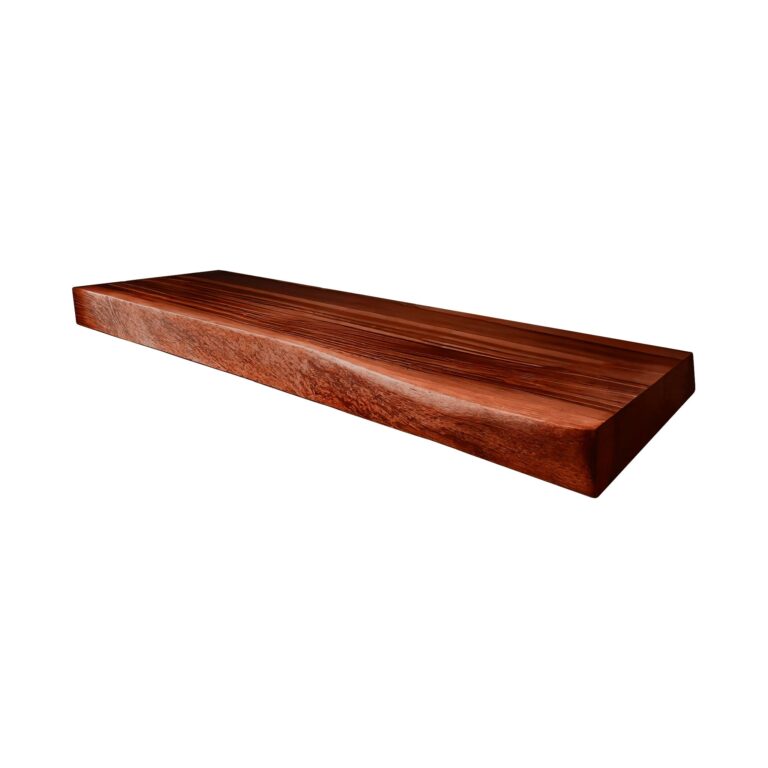
5. Custom Live-Edge or Curved Shelves
If you want to keep the organic aesthetic, commission a custom live-edge shelf or a series of curved shelves that echo the tree branch bookshelf‘s look.

- Pros: Unique, high-end appearance; preserves natural textures.
- Cons: Cost and lead time; requires skilled finishing to stabilize wood.
- Cost: $200–$2,000+ depending on slab size and finish.
Mounting and Weight Considerations
Key to any replacement is ensuring the shelves support expected loads safely.
- Find studs: Always anchor heavy shelving to studs when possible. Studs offer the best load-bearing support.
- Use appropriate anchors: Toggle bolts, molly bolts, and heavy-duty wall anchors vary in capacity—follow manufacturer ratings.
- Bracket selection: Choose steel brackets rated well above your intended load. For book-heavy collections, plan for at least 50 lbs per linear foot.
- Material strengths: Solid hardwoods (oak, maple) and plywood cores provide superior stiffness compared to softwoods.
Finishes, Maintenance, and Longevity
Regardless of replacement choice, proper finishing and maintenance extend life.
- Seal wood: Use polyurethane, water-based varnish, or oil finishes to protect against spills and wear. For shelves with high traffic, apply multiple coats and sand between coats.
- Avoid moisture: Keep books away from direct sunlight and humid areas to prevent warping.
- Periodic checks: Inspect fasteners and anchors annually and tighten or replace as needed.
Costs and Timeline — Quick Estimates
Typical timelines and costs vary by option:
- Simple removal and patching: 1–2 days, $50–$300 (DIY labor + materials)
- Install ready-made shelving: same day to 1 day, $100–$1,200
- Custom floating or live-edge shelves: 1–3 weeks lead time, $200–$2,000
- Built-in cabinetry: 2–8 weeks, $1,000–$10,000+
DIY vs Hiring a Pro
Consider a professional if:
- The branch bookshelf is structurally integrated or load-bearing.
- The wall contains wiring or plumbing near attachment points.
- You want custom built-ins or perfect finish work.
DIY is suitable for freestanding pieces, simple wall-mounted shelves with clear stud access, and projects where basic carpentry skills suffice.

Environmental and Aesthetic Considerations
If the tree branch bookshelf was reclaimed wood, try to reuse or repurpose it to keep embodied carbon benefits. When choosing replacements, consider sustainably sourced wood, FSC-certified materials, or reclaimed lumber to maintain environmental responsibility while achieving the desired look.
Frequently Asked Questions
Will removing a tree branch bookshelf damage my wall?
Minor damage like screw holes or scuffs is typical, but significant damage is avoidable with careful removal. If the branch was glued or embedded, cutting and patching may be required.
Can I reuse the tree branch wood for new shelves?
Yes. With proper milling, flattening and finishing, branch sections can become unique shelves, mantels, or accent pieces. Stabilize cracked sections with epoxy or butterfly keys before finishing.
How do I ensure a new shelf will hold my books?
Calculate expected load and select brackets, anchors and shelf thickness accordingly. For book-heavy shelves, use plywood cores or hardwood at depths of 10″–12″ with strong metal brackets anchored into studs.
Final Recommendations
Removing a tree branch bookshelf is manageable with planning, the right tools, and a helper. Salvage materials when possible, and choose a replacement that balances aesthetics, function and budget—whether that means a quick store-bought unit, handcrafted live-edge shelves, or custom built-ins. If the installation is complex or load-bearing, consult a professional to protect your home and create a durable solution that lasts.
For tailored advice, take photos of the existing installation and measure attachment points. A consultation with a carpenter or an experienced handyman will clarify whether removal is straightforward or requires structural work.
Resources and Next Steps
- Prepare a removal plan and gather tools listed above.
- Decide on a replacement strategy and set a budget.
- Contact professionals for quotes if the project is beyond basic DIY scope.
With the right approach, you can transition from a distinctive tree branch bookshelf to an equally compelling, functional shelving solution that fits your space for years to come.