Unique Tree Shaped Bookshelves That Maximize Storage Space
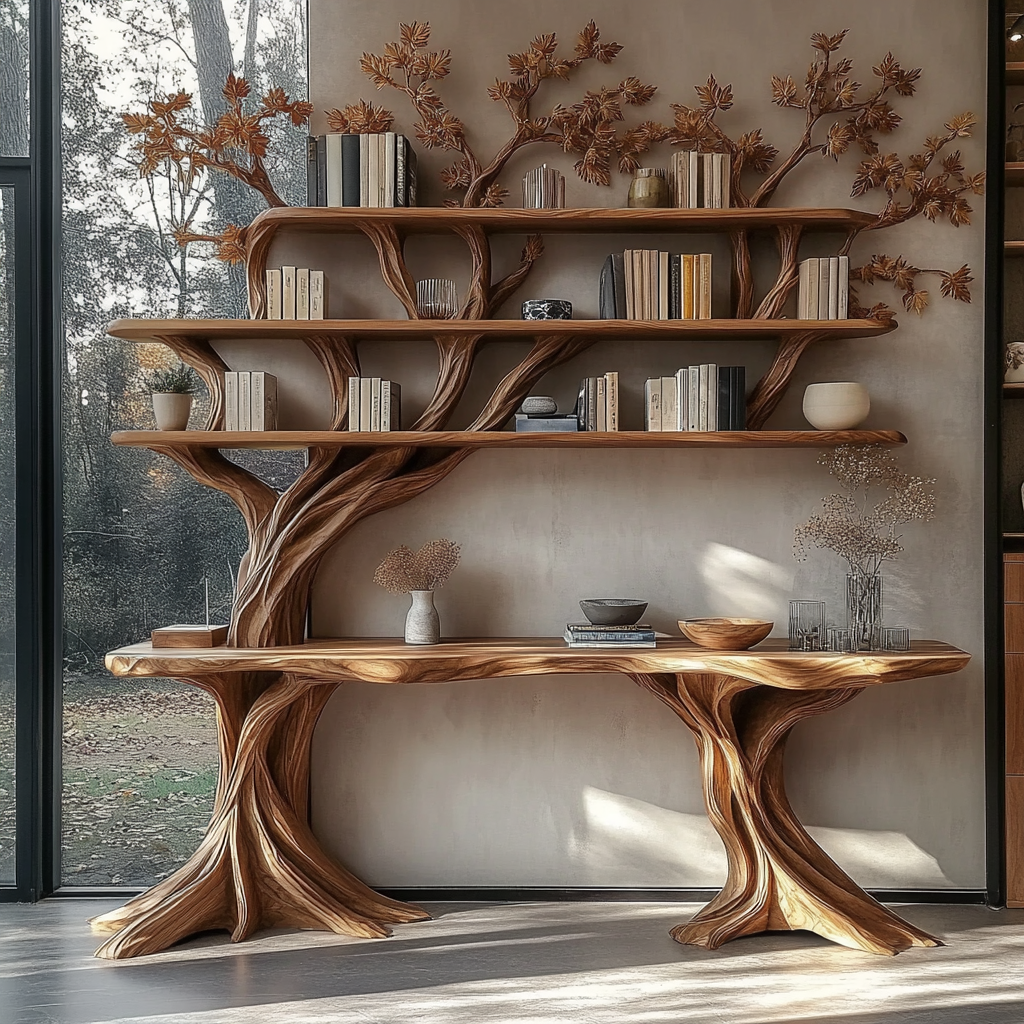
A tree shaped bookshelf is a striking way to combine sculptural form with practical storage. Whether you want a dramatic focal point or an efficient system to organize books and decor, tree bookshelves come in styles that suit apartments, family rooms, libraries, and offices. This guide covers design variations, planning tips, installation and styling strategies to help you maximize space while keeping aesthetic appeal.

Why Choose a Tree Shaped Bookshelf?
Unlike traditional box-style shelving, a tree shaped bookshelf uses branching elements and staggered platforms to create vertical interest and visual lightness. Key advantages include:
- Vertical storage: Branch-like shelves utilize wall height to store more without consuming floor space.
- Flexible display: Open compartments vary in size, accommodating books, plants, and decorative objects.
- Design impact: Acts as both furniture and art—great for spaces that need a statement piece.
Popular Styles of Tree Bookshelves
Tree bookshelves come in many interpretations. Choose a style that matches your interior and storage goals.
Modern tree bookshelf
Modern tree bookshelf designs favor clean lines, minimal branching, and neutral finishes. Materials often include powder-coated metal, veneer, and lacquered MDF. These units work well in contemporary living rooms or offices where sleek form is essential.
Wooden tree bookshelf
Wooden tree bookshelves bring warmth and texture. Solid wood, plywood, and engineered wood can be crafted with live-edge branches or precise geometric branches. Finish options—natural, stained, or painted—allow integration with rustic, Scandinavian, or mid-century decor.
Decorative tree bookshelf
Decorative tree bookshelves prioritize visual detail: curved branches, asymmetrical silhouettes, and integrated lighting. These are ideal when your shelf must double as sculptural decor in an entryway or a focal wall.

Design Considerations to Maximize Storage
To get the most storage from a tree shaped bookshelf, consider these practical design choices.
- Branch depth and shelf width: Ensure branch shelves are at least 9–12 inches deep for books, with deeper platforms for oversized tomes. Smaller niches of 6–8 inches are great for paperbacks and decor.
- Adjustable or modular shelves: Look for systems where branches can be repositioned or modules can be stacked vertically to respond to changing collections.
- Balance open and closed storage: Combine open branches with closed drawers or cabinets at the base to hide clutter and protect valuables.
- Load capacity: Confirm the weight rating per shelf—wood shelves mounted on thin supports may sag under heavy books. Reinforced brackets or thicker materials add longevity.
Planning & Sizing: Measure Before You Buy
Careful planning prevents costly mistakes.
- Measure wall height and width: Map the vertical space; tree bookshelves shine when they use height efficiently.
- Consider floor clearance: If you have baseboard heaters or radiators, plan spacing accordingly.
- Visual scale: A very large tree bookshelf can overwhelm a small room; choose a proportionate piece or a modular option that fits your wall.
- Function mapping: List the items you plan to store—paperbacks, hardcovers, records, plants, frames—and allocate shelf sizes accordingly.
Installation & Safety Tips
Because tree shaped bookshelves are tall and sometimes top-heavy, follow these safety best practices:
- Anchor the unit to studs with heavy-duty brackets or use anti-tip straps, especially in homes with children or pets.
- Distribute weight evenly: place heavier items near the base and lighter items higher up to lower the center of gravity.
- Use levelers on feet to prevent wobble on uneven floors.
- Hire professional installers for wall-mounted or custom-built tree shelves to ensure secure mounting.
Styling and Organization Strategies
A well-styled tree bookshelf is both functional and visually cohesive. Use these techniques:
- Group by size and color: Store books by height on each branch and create color blocks for a curated look.
- Alternate books and decor: Break rows of books with plants, sculptures, or framed photos to keep the composition airy.
- Use baskets and boxes: For small items, decorative baskets on lower branches keep the visual clutter contained.
- Integrated lighting: Small LED strips under branches highlight objects and create ambience.
Materials and Finish Guide
Material choice affects durability, cost, and style.

- Solid wood: Durable and repairable; great for heirloom pieces but often pricier.
- Plywood and MDF: Cost-effective and stable; can be veneered for a wooden look.
- Metal frames: Provide slim support and industrial style; pair with wooden shelves for warmth.
- Paint and stain: White or black paints create contrast; natural stains emphasize grain in wooden tree bookshelves.
DIY vs Custom vs Ready-Made
Decide how tailored you want your tree bookshelf to be.
- DIY: Great for personalized dimensions and cost savings. Basic woodworking skills can yield robust, custom silhouettes.
- Custom: Ideal for unique walls or specific collections; designers can integrate storage compartments and lighting.
- Ready-made: Fast and often budget-friendly; choose reputable manufacturers with clear weight ratings and mounting instructions.
Quick DIY Blueprint for a Simple Wooden Tree Bookshelf
This overview gives the concept; always use detailed plans and safety gear.
- Sketch a branching layout scaled to your wall, marking shelf widths and heights.
- Cut plywood shelves and vertical spine pieces to size; sand and finish edges.
- Assemble shelves to a central spine using dado joints or reinforced brackets; glue and screw for strength.
- Finish with stain or paint, seal with polyurethane, then anchor to the wall studs securely.
Maintenance and Longevity
Keep your tree shaped bookshelf looking great with simple care:
- Dust regularly with a soft cloth to avoid buildup in tight corners.
- Tighten fasteners annually and inspect mounting hardware.
- Repair small scratches in wood with wax sticks; refinish surfaces when wear becomes visible.
Where to Buy
Look for tree shaped bookshelf options from boutique furniture makers, specialty woodworking shops, and online retailers. For custom work, consult local craftsmen who can optimize dimensions and materials for your space.
Conclusion
A tree shaped bookshelf is a functional sculpture that maximizes storage while enhancing interior character. By selecting the right style—modern, decorative, or wooden—carefully planning dimensions, and following installation and styling best practices, you can create an efficient storage solution that also becomes a memorable focal point.
Frequently Asked Questions
Can a tree bookshelf hold heavy books?
Yes, if you choose reinforced shelves, thicker materials, and proper mounting to studs. Place heavier items on lower shelves.
Are tree bookshelves suitable for small rooms?
Absolutely—vertical tree bookshelves maximize height without taking much floor space. Choose slimmer designs with open branches to avoid visual bulk.
How do I keep the design from looking cluttered?
Mix negative space with grouped books, decorative objects, and closed storage. Maintain consistent spacing and alternate textures for balance.
With thoughtful planning and a focus on proportion and stability, your tree shaped bookshelf can be both a storage workhorse and an elegant centerpiece in any room.