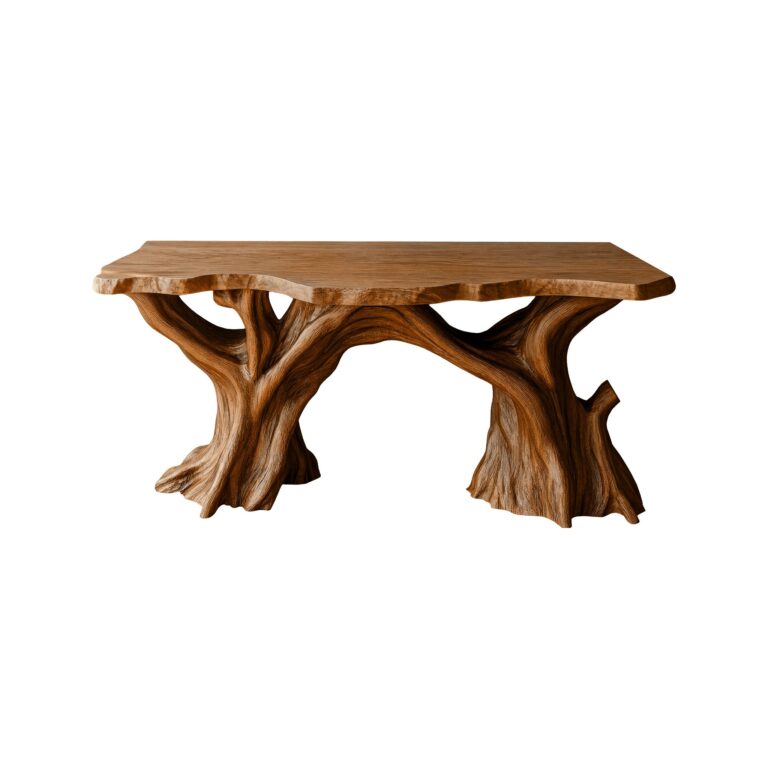
A well-designed bathroom vanity does far more than hold a sink. It anchors the room, defines the style, and influences how the entire space feels day to day. Among all the options available, a wood bathroom vanity remains one of the most versatile choices because it can look warm and rustic, clean and modern, or refined enough for a luxury retreat. Whether you are renovating a compact powder room or planning a spacious primary bath, the right vanity can bring together function, storage, and enduring visual appeal.
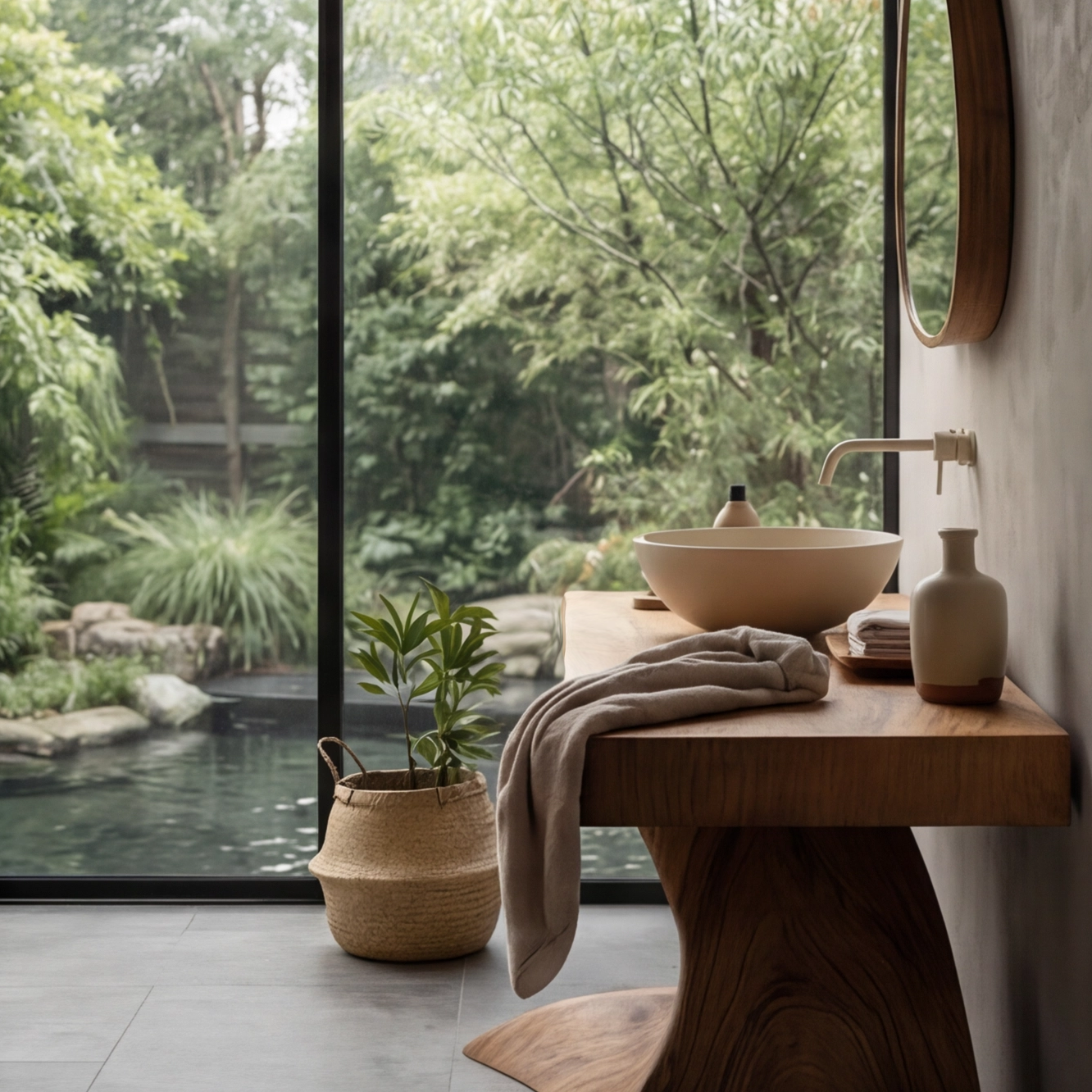
Today’s homeowners are no longer limited to one traditional look. Natural woods, premium veneers, floating silhouettes, handcrafted cabinet fronts, and tailored finishes have expanded what a vanity can be. From a bold walnut bathroom vanity to a calming white oak bathroom vanity, wood adapts beautifully across aesthetics. This guide explores the most effective vanity styles from rustic to modern, while also showing how to choose a high end bathroom vanity, a luxury bathroom vanity, or even a custom wood bathroom vanity that feels timeless in your home.
Why a Wood Bathroom Vanity Works in So Many Designs
Wood has a natural depth that painted materials often cannot replicate. Grain variation, tone, texture, and craftsmanship all contribute to a richer look. In bathrooms, that warmth can soften hard surfaces like tile, stone, glass, and metal. A wood vanity helps a room feel grounded and welcoming, even when the rest of the design leans sleek or minimalist.
Another reason wood performs so well is flexibility. Lighter species suit airy Scandinavian and coastal bathrooms. Mid-tone woods are ideal for transitional spaces. Dark, dramatic species fit upscale modern interiors. Because of this range, a bathroom vanity in wood can adapt to almost any palette, hardware finish, mirror style, or countertop material.
Durability also matters. When properly sealed and maintained, quality wood vanities can stand up well in humid bathroom environments. Solid wood details, furniture-grade joinery, and moisture-resistant finishes elevate performance and make a significant difference in how a vanity ages over time.
Rustic Wood Bathroom Vanity Style
Rustic bathrooms celebrate character, texture, and authenticity. In this setting, a wood bathroom vanity often features visible grain, knots, hand-finished surfaces, and natural color variation. Reclaimed wood, distressed oak, and weathered finishes are especially popular for creating a warm and lived-in look.
A rustic vanity pairs beautifully with vessel sinks, matte black hardware, hammered metal accents, and stone countertops. Open shelving can enhance the informal feel, while chunky legs or a furniture-inspired base reinforce the handcrafted quality. This style works especially well in farmhouse homes, cabins, mountain retreats, and spaces where comfort is the priority.
To keep rustic from feeling too heavy, balance it with crisp wall colors, clean-lined mirrors, or simple sconces. This contrast allows the vanity to remain the focal point without overwhelming the room. If you want the warmth of rustic design with better polish, consider a custom wood bathroom vanity that uses reclaimed elements in a more refined silhouette.
Farmhouse and Transitional Vanity Styles
Farmhouse and transitional designs sit comfortably between rustic charm and classic structure. A vanity in this category often includes shaker-style drawer fronts, framed cabinetry, and practical storage with a softer decorative touch. Woods like oak, maple, and ash are common, especially in medium natural finishes that highlight the grain without feeling overly raw.
A white oak bathroom vanity is a standout choice here because it offers subtle grain and a fresh, organic tone that fits both traditional and current interiors. White oak works beautifully with marble counters, brushed nickel fixtures, and warm neutral tile. It can lean farmhouse when styled with apron details and vintage-inspired lighting, or transition toward contemporary when paired with streamlined hardware and slab countertops.
Transitional bathroom vanities are especially attractive for homeowners who want longevity. They avoid overly trend-driven details while still feeling current. If resale value and broad appeal matter, this category is often a smart direction.
Japandi and Minimal Organic Design
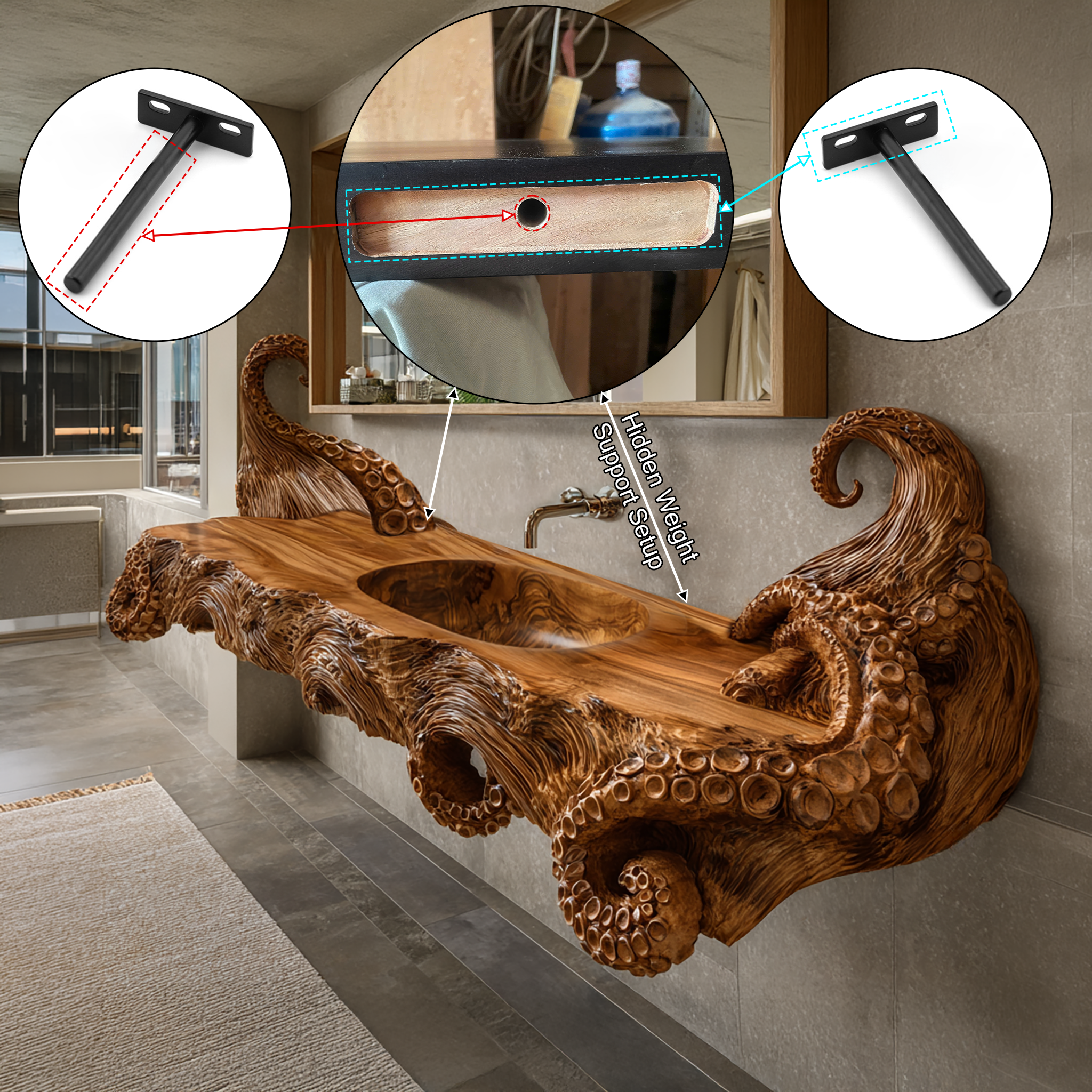
One of the most sought-after looks today is the japandi bathroom vanity. Japandi design merges Japanese restraint with Scandinavian warmth, resulting in spaces that feel calm, uncluttered, and highly intentional. In a bathroom, this usually means a wood vanity with clean lines, flat-panel doors, subtle hardware, and a natural finish that emphasizes the material rather than disguising it.
White oak, ash, and light walnut are ideal choices for this style. Floating vanities are especially effective because they create visual openness and reinforce the minimalist aesthetic. Pair the wood with soft stone, plaster-like wall textures, and muted tones such as sand, taupe, warm white, and greige.
The beauty of a japandi bathroom vanity lies in its restraint. Instead of relying on ornament, it prioritizes craftsmanship, proportion, and material harmony. Storage is usually concealed, countertops are clean, and every detail feels deliberate. This makes Japandi a perfect fit for homeowners seeking a serene retreat that still feels warm and livable.
Mid-Century and Modern Wood Vanity Options
For those drawn to sharper silhouettes and bolder style statements, modern wood vanities offer exceptional versatility. A contemporary bathroom vanity may feature slab drawer fronts, integrated sinks, floating installation, or a mix of wood with metal and stone. The result is polished, functional, and architecturally clean.
A walnut bathroom vanity is one of the strongest options for modern interiors. Walnut’s rich tone and elegant grain instantly elevate the room, adding sophistication without requiring heavy ornament. It works especially well with matte black fixtures, white solid-surface counters, and large-format tile. In mid-century inspired bathrooms, walnut vanities often include tapered legs, horizontal grain patterns, and understated drawer pulls.
Modern does not have to mean cold. In fact, wood is one of the best ways to make a minimalist bathroom feel more inviting. A floating walnut vanity, for example, can add warmth and visual depth while maintaining a sleek and uncluttered composition.
Luxury and High-End Bathroom Vanity Features
If your goal is an elevated primary bath or spa-inspired renovation, a high end bathroom vanity offers more than good looks. Premium construction, superior materials, and tailored details define this category. Soft-close hardware, dovetail drawers, integrated organizers, stone tops, custom finishes, and designer sink configurations all contribute to a better user experience.
A luxury bathroom vanity often acts like a custom furniture piece rather than standard cabinetry. Double-sink layouts, fluted wood fronts, integrated lighting, and concealed storage can transform daily routines while adding architectural value to the room. Wood species such as walnut, white oak, and teak are frequently used because they combine beauty with durability.
In larger bathrooms, symmetry becomes especially important. Matching mirrors, balanced sconces, and a carefully scaled vanity can create a polished, five-star-hotel effect. A high-end vanity is also more likely to include thoughtful details such as electrical outlets in drawers, makeup stations, linen towers, and toe-kick lighting.
Is a Teak Bathroom Vanity Worth It?
A teak bathroom vanity is often considered a premium choice for good reason. Teak contains natural oils that help it resist moisture better than many other woods, making it a strong performer in bathrooms. Its warm golden-brown tone adds richness, and over time it can develop even more visual depth.
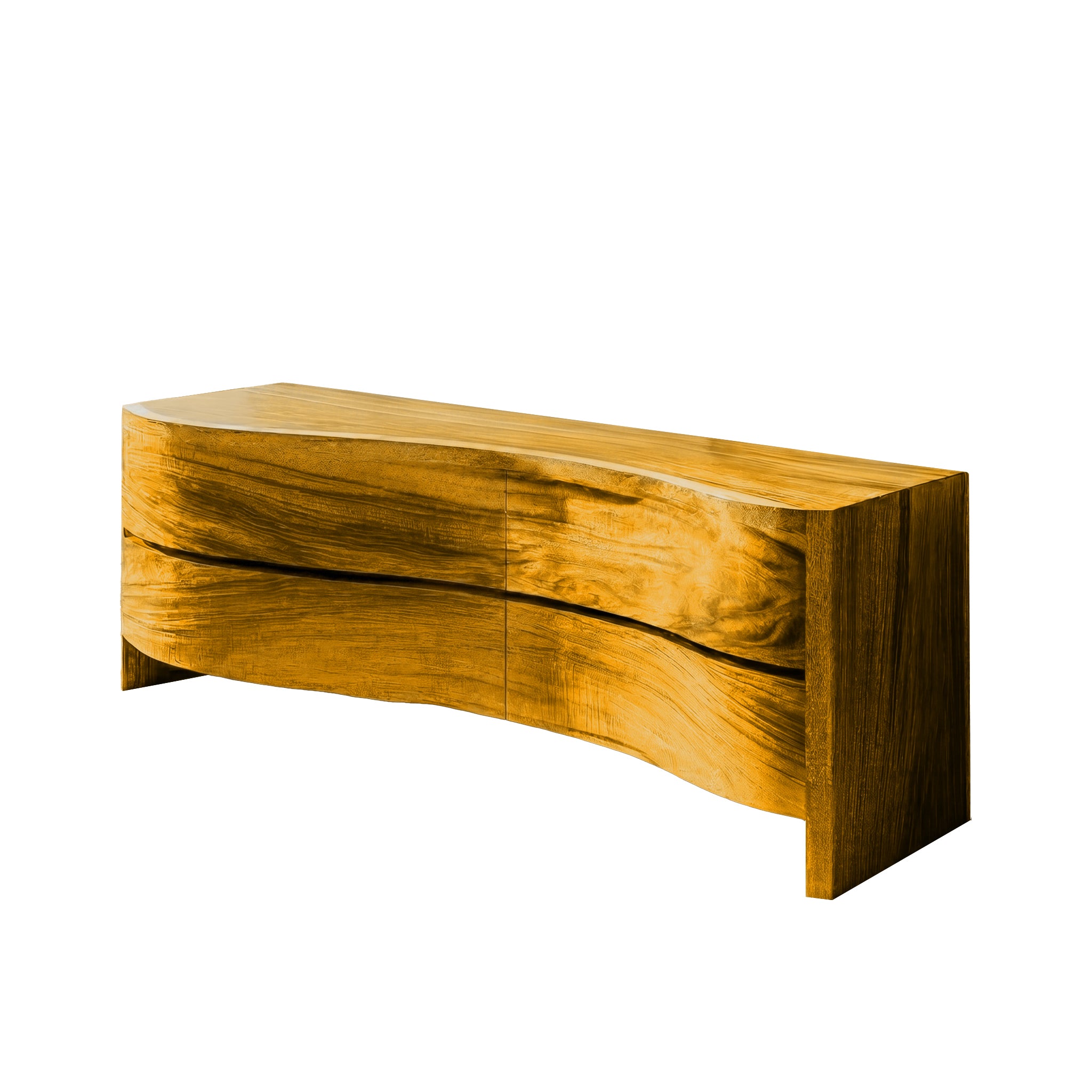
Teak works especially well in modern, spa-like, and organic bathrooms. It pairs beautifully with stone, concrete, and brushed brass. Because it is typically priced higher than more common species, teak is often associated with luxury applications. For homeowners who prioritize durability, distinct grain, and a resort-inspired atmosphere, teak can be an excellent investment.
That said, teak is not necessary for every project. Other woods can perform extremely well when properly sealed and fabricated for bathroom use. The best choice depends on your budget, your climate, and the style you want to achieve.
Choosing Between White Oak, Walnut, and Teak
When selecting a wood bathroom vanity, the species matters just as much as the shape. Each wood creates a different impression.
- White oak bathroom vanity: light to medium tone, subtle grain, versatile, ideal for transitional, Japandi, Scandinavian, and modern organic bathrooms.
- Walnut bathroom vanity: deeper rich brown tone, elegant grain, luxurious feel, excellent for modern, mid-century, and upscale interiors.
- Teak bathroom vanity: warm golden-brown color, naturally moisture resistant, premium look, perfect for spa-style and luxury bathrooms.
If you want brightness and flexibility, white oak is often the safest and most adaptable option. If you want drama and sophistication, walnut makes a strong statement. If durability and a resort-like feeling are top priorities, teak deserves close consideration.
When a Custom Wood Bathroom Vanity Makes Sense
A custom wood bathroom vanity is often the best route when your bathroom has unusual dimensions, specific storage requirements, or a unique design vision. Standard vanities can work well in many spaces, but custom construction allows you to control every detail, from width and depth to drawer layout, finish tone, sink placement, and hardware selection.
Customization is particularly valuable in older homes, luxury remodels, and primary bathrooms where a vanity needs to integrate with architecture rather than simply fill a wall. You can design around plumbing challenges, maximize storage in tight spaces, or create a furniture-style piece that feels one of a kind.
Although a custom vanity typically costs more upfront, it can deliver better long-term satisfaction because it fits your lifestyle more precisely. If your bathroom is central to your renovation goals, this level of personalization can be well worth the investment.
Storage, Layout, and Everyday Function
Style matters, but function determines whether you will love your vanity over time. Before choosing any bathroom vanity, think carefully about storage needs. Do you need deep drawers for hair tools and backup toiletries? Open shelving for towels? A double vanity for a shared primary bath? Vertical storage for cleaning products?
Drawer-based vanities are often more convenient than door-only cabinets because they keep items visible and easier to access. Integrated dividers can improve organization, while hidden outlets help keep counters clear. In compact bathrooms, wall-mounted floating vanities can make the room feel larger while still offering essential storage.
The sink configuration also affects performance. Single-sink vanities maximize counter space and suit smaller rooms. Double-sink vanities enhance shared use but require more width. In either case, proportion is critical. A vanity that is too large can crowd the room, while one that is too small may look underwhelming and fail to meet practical needs.

Countertops, Hardware, and Finish Pairings
The best wood vanity designs succeed because every surrounding element supports them. Countertops should complement the wood tone rather than compete with it. White quartz and marble brighten darker woods such as walnut. Soft beige and taupe stone pair beautifully with white oak. Concrete and honed finishes emphasize minimalist and industrial looks.
Hardware also changes the style language quickly. Matte black feels modern and bold. Brushed brass adds warmth and luxury. Polished nickel leans classic. Minimal edge pulls suit contemporary vanities, while knobs and more detailed pulls can support transitional or farmhouse styles.
Finish selection is equally important. Clear matte sealers create the most natural effect and are popular in organic modern and Japandi spaces. Stained finishes deepen color and can make the vanity feel more formal or dramatic. If moisture resistance is a concern, ask specifically about the protective topcoat and cabinet construction details.
How to Make a Wood Bathroom Vanity Last
Even the most beautiful vanity needs proper care. To protect a wood bathroom vanity, wipe up standing water quickly, maintain good ventilation, and avoid harsh chemical cleaners that can damage the finish. Soft cloths and manufacturer-approved cleaning products are usually best.
Pay attention to splash zones around faucets and sinks. Well-sealed surfaces hold up better, but consistent exposure to water should still be minimized. In busy family bathrooms, durable countertop materials and quality faucet placement can help preserve the vanity’s appearance over time.
If you are investing in a high end bathroom vanity or a luxury bathroom vanity, regular maintenance helps protect that investment. The goal is not just to keep the piece functional, but to preserve the warmth and texture that make real wood so appealing in the first place.
Final Thoughts: Finding the Right Vanity Style for Your Bathroom
From rustic farmhouse charm to clean-lined contemporary design, a wood bathroom vanity offers a rare combination of beauty, adaptability, and function. The right choice depends on the mood you want to create, the amount of storage you need, and the quality level your project demands. A white oak bathroom vanity can feel airy and timeless, a walnut bathroom vanity can look rich and architectural, and a teak bathroom vanity can bring spa-like warmth and performance.
If you are designing for long-term value, focus on craftsmanship, moisture-resistant construction, and a style that complements the broader architecture of your home. Whether you choose a ready-made piece or a custom wood bathroom vanity, the best vanities blend practical utility with a strong point of view. That is what allows them to work across rustic, transitional, Japandi, modern, and truly luxurious bathrooms alike.
In the end, a great bathroom vanity is not just a cabinet with a sink. It is a foundational design element that shapes how the room looks, feels, and functions every day. Choose wisely, and it can elevate your bathroom from ordinary to unforgettable.