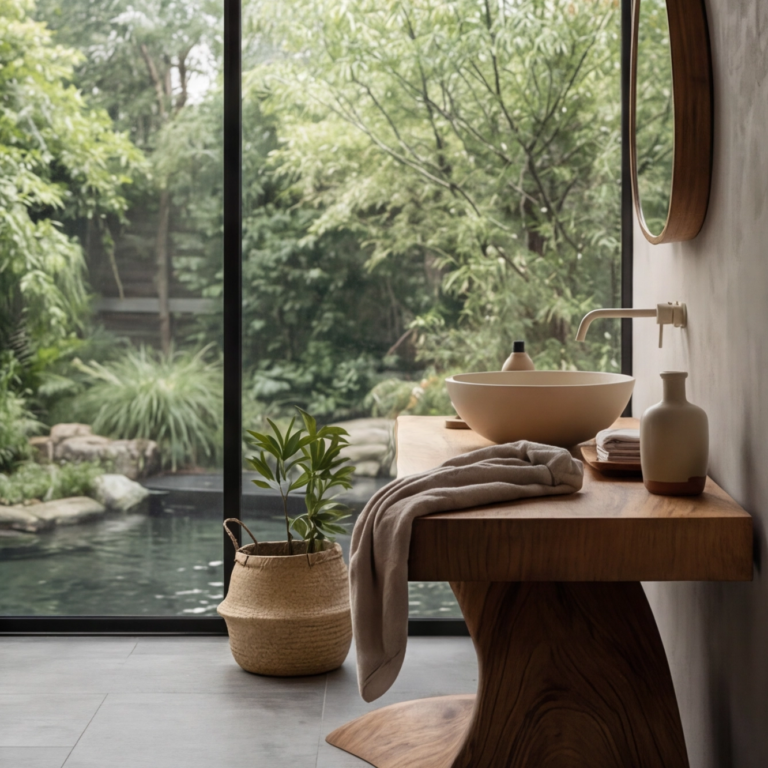
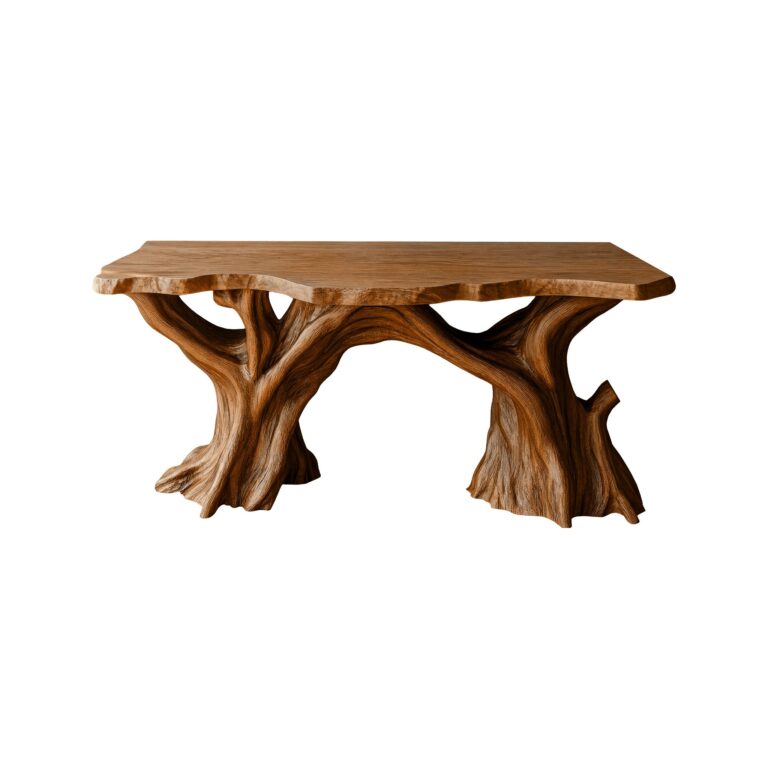
A well-designed bathroom vanity does more than support a sink and store daily essentials. It defines the visual weight of the room, introduces character, and often becomes the focal point that ties every finish together. In bathrooms where tile, glass, porcelain, and metal can dominate the surfaces, wood offers something valuable: warmth, depth, and organic texture. That is why a wood bathroom vanity remains one of the most effective ways to make a bathroom feel elevated, welcoming, and intentionally designed.

Whether the goal is a spa-like retreat, a modern organic interior, or a timeless family bathroom, the right vanity can transform the space. From a solid wood bathroom vanity with sink to a statement-making walnut bathroom vanity, natural wood tones provide visual relief and tactile richness that painted cabinetry often cannot match. Below, we explore the best wood bathroom vanity concepts, materials, layouts, and styling ideas to help bring texture into the bathroom in a sophisticated way.
Why a Wood Bathroom Vanity Adds So Much Texture
Texture is a critical element in bathroom design. Because bathrooms typically feature hard, smooth materials, they can feel sterile without contrast. A wood bathroom vanity introduces grain variation, natural color movement, and a handcrafted look that softens the room. Even in sleek contemporary settings, wood cabinetry can prevent the design from appearing flat or overly clinical.
Texture in a vanity comes from several design factors:
- Visible wood grain that highlights the natural beauty of oak, walnut, teak, or ash.
- Finish choices such as matte, wire-brushed, hand-rubbed, or lightly stained surfaces.
- Panel detailing including slatted fronts, shaker doors, fluted drawer faces, or slab fronts with strong grain continuity.
- Material authenticity found in solid wood construction and well-crafted veneers.
When selected carefully, a vanity can become the textural anchor of the entire bathroom, balancing stone countertops, polished fixtures, and ceramic surfaces with warmth and dimension.
Choosing the Right Wood for the Look You Want
Not all wood vanities create the same mood. Species, finish, and grain pattern all influence the final aesthetic. Selecting the right material is essential if you want the vanity to enhance the room rather than simply fill it.
Oak Bathroom Vanity
An oak bathroom vanity is one of the most versatile choices available. Oak features a pronounced grain pattern that immediately adds movement and texture, making it especially effective in bathrooms that need visual warmth. White oak, in particular, has become a favorite in high-end interiors because of its refined grain, neutral undertones, and ability to suit modern, Scandinavian, coastal, and transitional spaces.
Oak performs especially well when paired with:
- White quartz or marble countertops
- Brushed brass or matte black fixtures
- Textured wall tile or plaster finishes
- Soft beige, cream, or greige palettes
If the objective is subtle texture with broad design flexibility, oak is a smart and enduring option.
Walnut Bathroom Vanity
A walnut bathroom vanity offers a deeper, richer look that feels luxurious and tailored. Walnut is known for its smooth grain and chocolate-brown tones, often ranging from medium brown to dark espresso with violet or caramel undertones. It works beautifully in upscale contemporary bathrooms and adds an unmistakable sense of sophistication.
Walnut vanities pair exceptionally well with:
- Stone-look porcelain slabs
- Warm metallic hardware
- Integrated lighting
- Minimalist mirrors and streamlined fittings
For homeowners seeking warmth without rusticity, walnut delivers texture in a polished, architectural way.
Lighter Woods for an Airy Feel
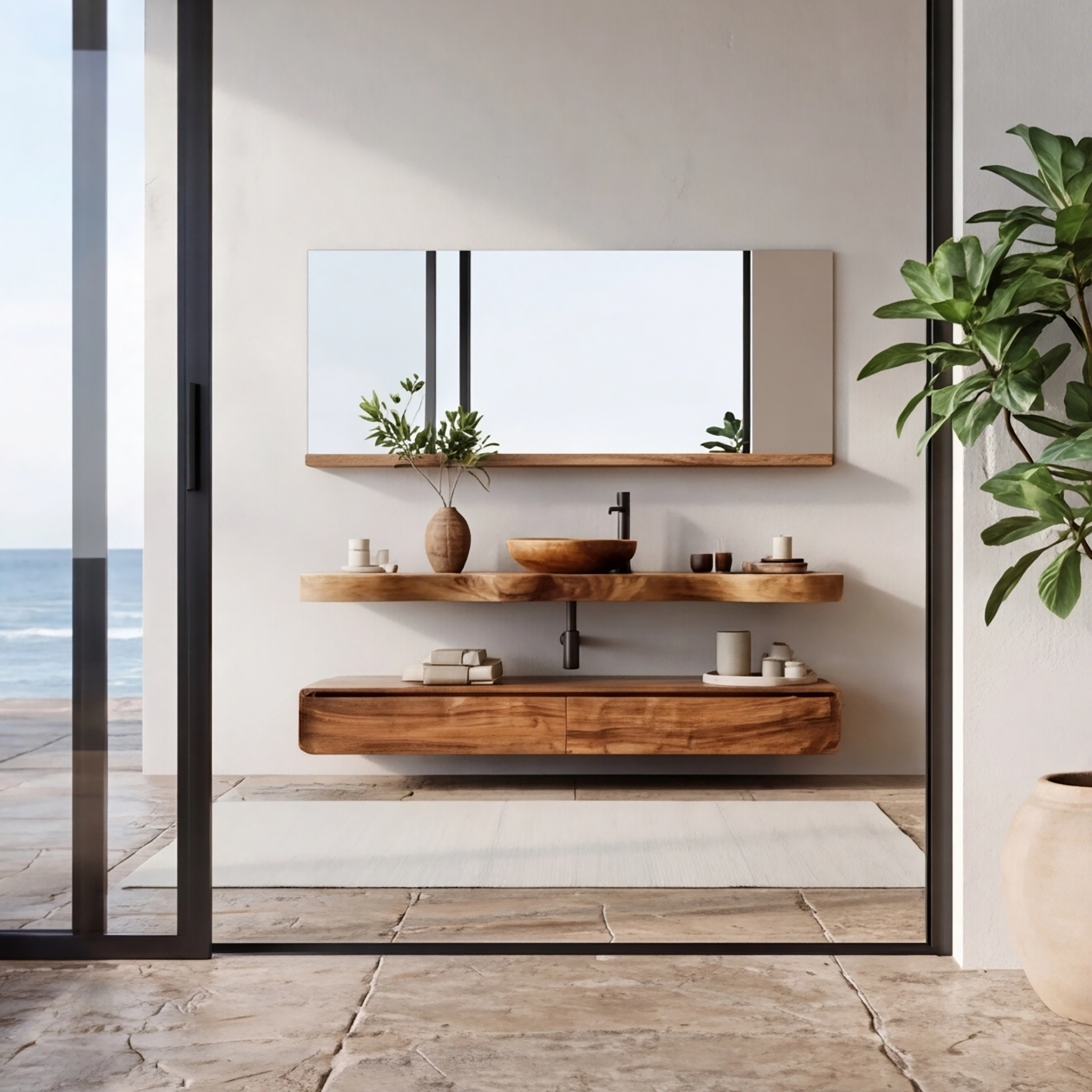
Ash, maple, and pale oak finishes can keep a bathroom feeling bright and open, especially in smaller rooms. These wood tones reflect more light than darker species and can make a compact bathroom appear more expansive. They are ideal for modern organic designs where simplicity and softness are priorities.
Solid Wood Bathroom Vanity with Sink: Is It Worth It?
A solid wood bathroom vanity with sink is often considered a premium choice, and for good reason. Solid wood construction delivers durability, authenticity, and a tactile quality that engineered alternatives cannot fully replicate. The grain has depth, edges feel substantial, and the piece often ages more gracefully over time.
Benefits of a solid wood bathroom vanity include:
- Long-term durability when properly sealed and maintained
- Authentic grain and texture throughout the construction
- Refinishing potential if the surface experiences wear
- Greater design value in luxury or custom bathrooms
That said, moisture management matters. Bathrooms are humid environments, so a solid wood vanity should be sealed correctly and paired with proper ventilation. High-quality joinery, durable finishes, and thoughtful placement around plumbing all contribute to longevity.
For those who want a bathroom vanity that feels bespoke and substantial, solid wood remains one of the strongest investments.
Freestanding Wood Bathroom Vanity Ideas
A freestanding wood bathroom vanity is one of the most timeless and flexible vanity formats. Because it resembles furniture more than built-in cabinetry, it introduces a relaxed, curated look and can make the bathroom feel more residential and layered.
Freestanding designs work especially well when you want to emphasize texture and craftsmanship. Popular approaches include:
- Furniture-style vanities with turned legs or open lower shelves
- Modern box-frame vanities with clean lines and prominent wood grain
- Open-base vanities that create visual lightness in smaller bathrooms
- Mixed-material vanities that combine wood with metal frames or stone tops
A freestanding model can also help break up the monotony of wall-to-wall cabinetry. In guest bathrooms and powder rooms, this approach often feels more intentional and decorative. In larger primary bathrooms, double freestanding vanities can create a boutique-hotel atmosphere with excellent balance and storage.
High End Bathroom Vanity Features That Elevate Texture
A high end bathroom vanity is not defined by price alone. It stands out through materials, detailing, finish quality, and the way it integrates with the architecture of the room. If your goal is to create a textured bathroom with a luxury feel, pay attention to the following details.
1. Enhanced Front Detailing
Fluted drawer fronts, ribbed wood panels, tambour-inspired doors, and reeded detailing create subtle shadow play that enriches the vanity surface. These details are especially effective in bathrooms with simple walls and restrained finishes.
2. Grain-Matched Cabinet Faces
In premium vanities, grain matching across drawer fronts and doors creates visual continuity and showcases the natural beauty of the wood. This technique is often used in modern and custom cabinetry to produce a cleaner, more architectural appearance.
3. Premium Countertop Pairings
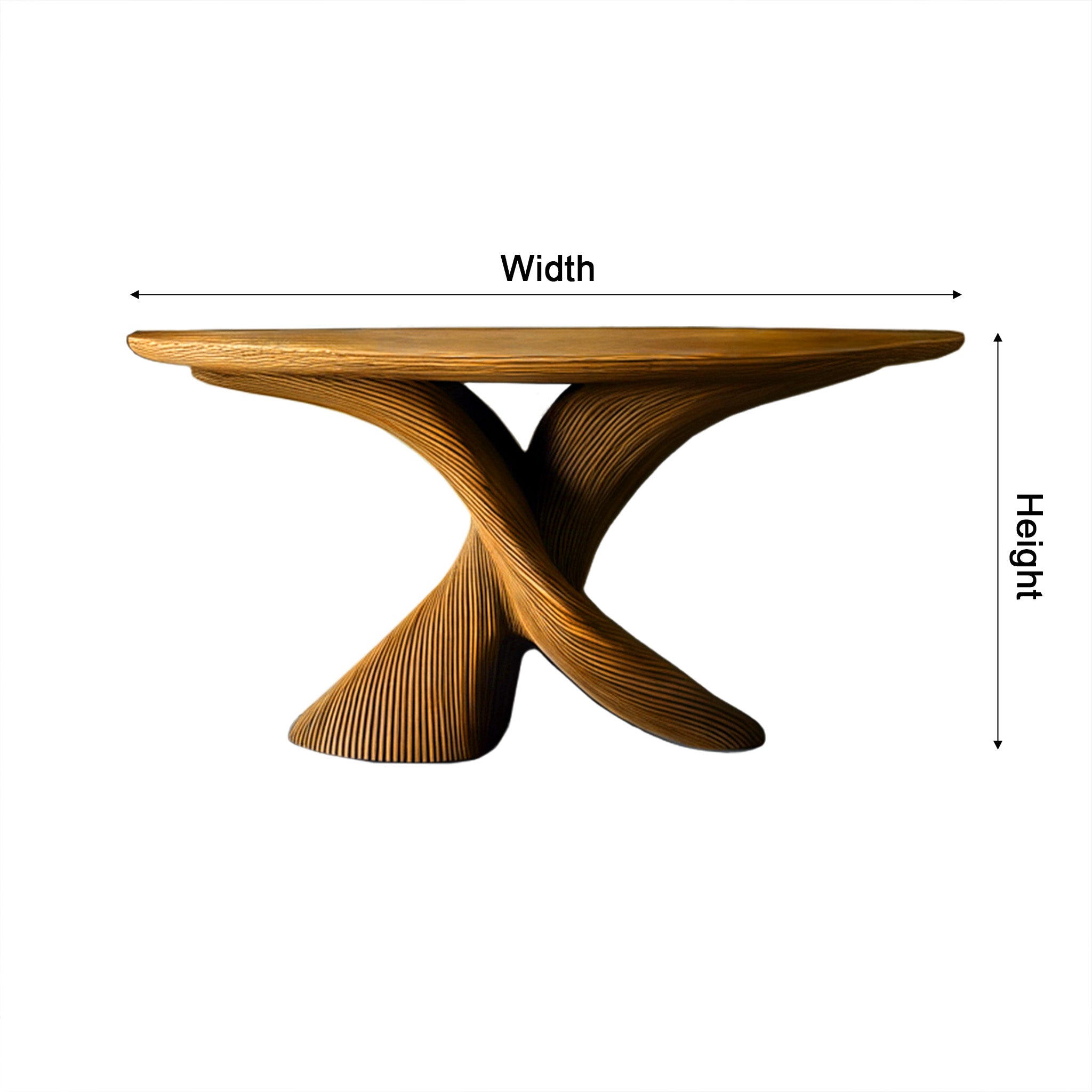
Wood texture becomes even more compelling when paired with marble, quartzite, engineered stone, or concrete-look surfaces. The contrast between warm grain and cool stone gives the room depth and polish.
4. Integrated Hardware and Lighting
High-end designs often feature recessed pulls, edge pulls, or highly refined hardware that complements rather than competes with the wood. Under-vanity lighting and integrated task lighting can also highlight the grain and create a more atmospheric setting.
5. Custom Sizing and Thoughtful Storage
Luxury is also practical. Deep drawers, built-in organizers, hidden outlets, and tailored sink configurations ensure the vanity performs as well as it looks. A high end bathroom vanity should feel beautiful and effortless in everyday use.
Custom Wood Bathroom Vanity Concepts for a Tailored Look
A custom wood bathroom vanity offers the greatest control over proportion, finish, and function. This is especially valuable when working with unusual floor plans, older homes, or bathrooms where standard cabinetry sizes fall short.
Custom vanities make it possible to tailor every element, including:
- Wood species and stain tone
- Single or double sink configurations
- Drawer layouts around plumbing
- Specialty storage for grooming tools and toiletries
- Toe-kick, floating, or furniture-style bases
- Integrated backsplashes and side splashes
Customization also allows for stronger design cohesion. If the bathroom includes specific wall textures, flooring patterns, or architectural trim, the vanity can be designed to echo those lines and materials. This level of alignment often makes the entire room appear more expensive and composed.
Floating vs. Freestanding: Which Vanity Style Adds Better Texture?
Both floating and freestanding vanities can bring texture into the bathroom, but they do so differently.
Floating wood vanities feel modern, clean, and airy. Because the floor remains visible beneath them, they can make small bathrooms feel larger. The suspended form also draws more attention to the wood grain and front detailing, as the vanity appears almost gallery-like on the wall.
Freestanding wood bathroom vanity styles, on the other hand, feel grounded and furniture-inspired. They often add more decorative character and suit traditional, transitional, or collected interiors particularly well.
If your bathroom is minimal and contemporary, a floating walnut or oak vanity can create a crisp yet warm effect. If your space leans classic or layered, a freestanding design may offer more charm and visual richness.
Best Countertop and Sink Pairings for Wood Vanities
The countertop and sink dramatically affect how the wood vanity reads in the room. The goal is to create contrast without visual conflict.
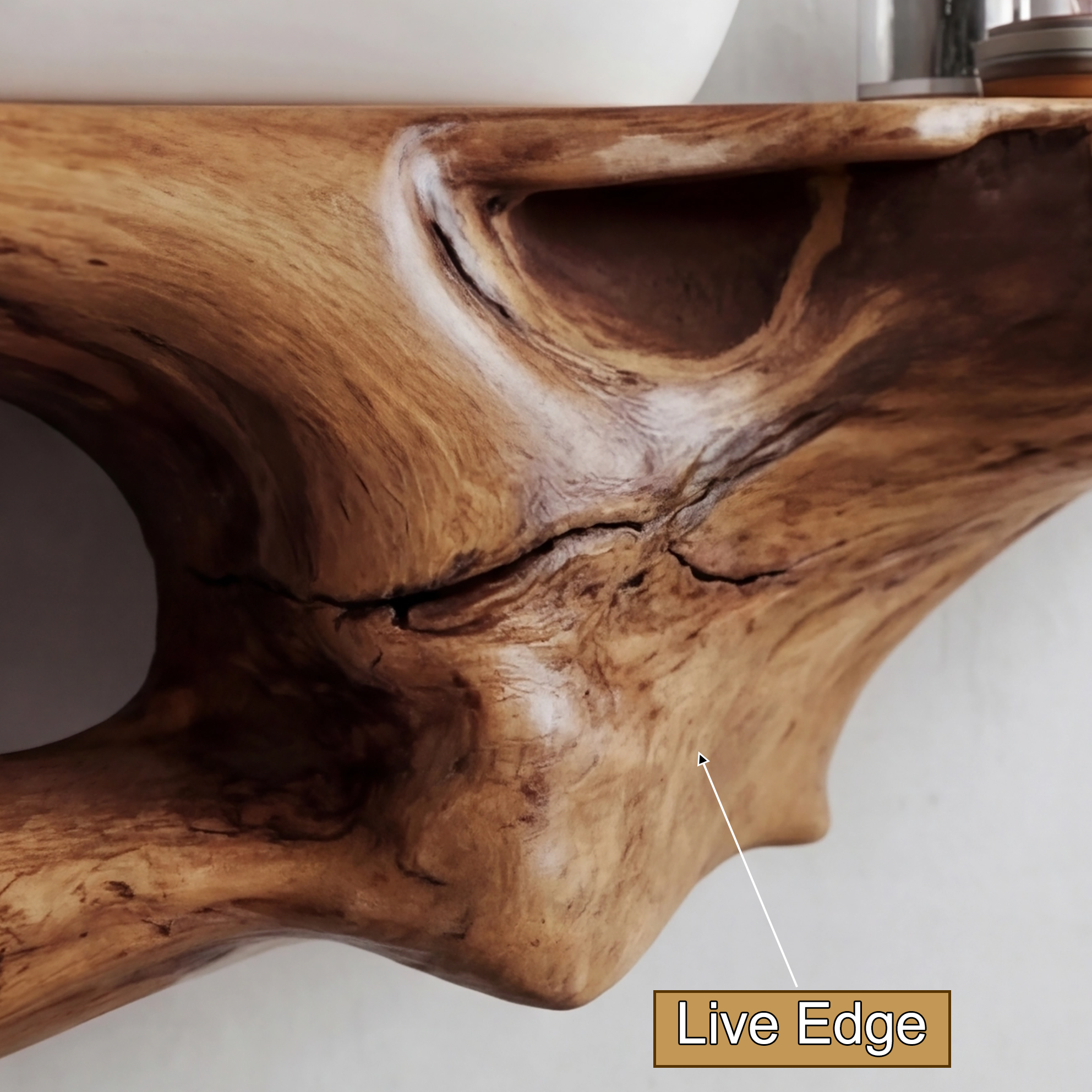
Ideal Countertop Materials
- White quartz for a clean, bright, low-maintenance finish
- Marble for timeless elegance and luxury appeal
- Quartzite for dramatic natural movement
- Concrete-look surfaces for a modern organic aesthetic
- Black stone for bold contrast with lighter oak or ash woods
Sink Styles That Work Well
- Undermount sinks for a seamless and practical look
- Integrated sinks for minimalist bathrooms
- Vessel sinks when aiming for sculptural impact
- Double sinks in larger primary bathrooms for shared functionality
A solid wood bathroom vanity with sink can feel especially elevated when the sink and top are chosen to highlight, not overpower, the wood grain.
How to Style a Wood Bathroom Vanity Without Losing Its Impact
Once the vanity is installed, styling should support its texture rather than distract from it. Bathrooms benefit from restraint. A few carefully selected accents can reinforce the natural warmth of the vanity while keeping the space refined.
Effective styling ideas include:
- Ceramic or stone soap dispensers
- Woven baskets for open shelving
- Linen hand towels in soft, neutral colors
- Rounded mirrors to contrast linear cabinetry
- Greenery or branches for an organic touch
- Wall sconces in warm metallic finishes
Avoid overcrowding the countertop. Let the wood remain visible, as the grain itself is part of the design statement.
Maintenance Tips for Long-Lasting Beauty
Wood vanities can perform beautifully in bathrooms when cared for properly. Moisture is the main concern, but routine upkeep can preserve the finish and maintain the texture that makes the vanity special.
- Wipe standing water promptly, especially around the sink edge.
- Use mild, non-abrasive cleaners suitable for sealed wood.
- Maintain good bathroom ventilation to reduce humidity buildup.
- Avoid harsh chemical sprays that can dull or damage the finish.
- Check sealants and finish integrity over time, particularly in busy family bathrooms.
High-quality vanities are designed for bathroom use, but small preventative habits make a meaningful difference in appearance and lifespan.
Top Design Directions for Wood Bathroom Vanity Concepts
If you are searching for inspiration, these design directions continue to define the most appealing bathroom vanity concepts:
- Modern organic: White oak cabinetry, soft stone, warm metals, and minimal lines.
- Quiet luxury: Walnut cabinetry, integrated lighting, and premium marble surfaces.
- Scandinavian simplicity: Pale wood tones, floating vanities, and clean silhouettes.
- Transitional elegance: Shaker-style oak bathroom vanity designs with polished nickel or brass hardware.
- Spa retreat: Natural wood, textured tile, soft lighting, and clutter-free counters.
Each of these styles uses wood not merely as a color choice, but as a source of visual texture and emotional warmth.
Final Thoughts
The right bathroom vanity can do far more than provide storage. It can introduce contrast, warmth, and tactile beauty into one of the most functional rooms in the home. A thoughtfully selected wood bathroom vanity, whether it is an oak bathroom vanity, a sophisticated walnut bathroom vanity, or a fully custom wood bathroom vanity, helps soften hard finishes and create a space that feels calm, layered, and luxurious.
From a freestanding wood bathroom vanity with furniture-like presence to a solid wood bathroom vanity with sink designed for lasting performance, wood remains one of the most compelling materials for adding texture in the bathroom. And when elevated with excellent craftsmanship and smart detailing, it becomes the foundation of a truly high end bathroom vanity design.
If your bathroom feels cold, flat, or unfinished, introducing natural wood may be the most impactful upgrade you can make. Done well, it brings not only texture, but also timeless style.