Why a Mushroom Floating Shelf Fits Cottagecore So Beautifully
A Mushroom Floating Shelf is one of those rare decor pieces that feels both practical and magical. In cottagecore interiors, where nature-inspired details, handcrafted accents, and gentle nostalgia define the mood, mushroom motifs instantly create a woodland story. A floating shelf shaped like a mushroom or inspired by mushroom silhouettes brings soft whimsy to walls without overwhelming the room.
Cottagecore homes often celebrate details that feel collected rather than mass-produced. That is why a mushroom floating shelf works so well. It can display tiny treasures, dried flowers, vintage books, ceramics, candles, framed botanical art, and seasonal forest-inspired decor. Whether placed in a reading nook, kitchen corner, nursery, hallway, or bedroom, this shelf style adds warmth and visual interest while staying functional.
The appeal also lies in its balance of form and function. Unlike bulky shelving units, a floating shelf keeps the wall looking airy. The mushroom design adds personality while the floating construction preserves that open, light, storybook quality cottagecore lovers want.
What Makes a Mushroom Floating Shelf Special?
A mushroom floating shelf stands apart from standard wall shelving because it acts as both storage and sculpture. The cap, stem, curves, color palette, and woodland associations all contribute to a softer and more imaginative atmosphere. In homes built around cottagecore aesthetics, every item should feel intentional. A mushroom-themed shelf achieves that by becoming a feature rather than just a utility piece.
Its uniqueness comes from several design qualities:
- Organic curves: Mushroom forms naturally soften straight architectural lines.
- Nature symbolism: Mushrooms evoke forests, rain, earthiness, and old-world charm.
- Whimsical personality: The shelf feels playful without seeming childish when styled well.
- Small-space friendliness: Floating shelves are ideal for compact cottages, apartments, and cozy rooms.
- Display versatility: They can hold decor, mini plants, trinkets, and lightweight daily essentials.
For anyone trying to build a cozy, enchanted interior, the mushroom floating shelf becomes an effortless visual anchor.
Best Materials for a Cottagecore Mushroom Floating Shelf
Material choice matters if you want the shelf to look authentic in a cottagecore home. Since this aesthetic leans heavily on natural textures and timeless finishes, certain materials suit it far better than glossy synthetics or overly modern surfaces.
Solid Wood
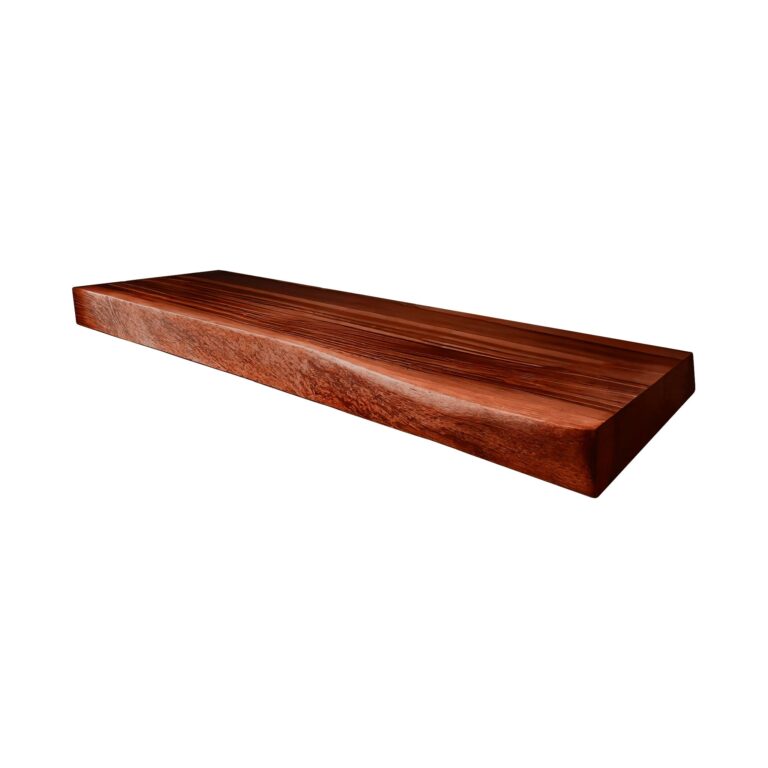
Solid wood is often the most desirable option. Oak, pine, maple, and walnut all bring warmth and grain variation that make the shelf feel handcrafted. A wooden mushroom floating shelf can be stained in honey, chestnut, mushroom brown, or left in a light natural finish for a simpler farmhouse-cottage look.
Reclaimed Wood
For a more rustic and storied appearance, reclaimed wood adds instant age and character. Minor imperfections, weathered grain, and uneven color tones actually enhance the shelf’s woodland charm.
Painted MDF or Plywood
If budget matters, painted MDF or plywood can still work beautifully, especially for decorative shelves. Soft creams, muted reds, sage greens, terracotta, and dusty browns suit the mushroom theme well. Quality craftsmanship and a matte finish help these materials appear more elevated.
Resin and Mixed Media
Some mushroom floating shelf designs combine wood with resin details for toadstool spots, textured caps, or sculpted stems. These can look charming in children’s rooms, creative studios, and especially whimsical corners of a cottagecore home, though they should still harmonize with the surrounding decor.
Popular Mushroom Floating Shelf Styles
Not every mushroom floating shelf looks the same. Cottagecore homes benefit from choosing a style that supports the room’s mood rather than competing with it.
Minimal Woodland Shelf
This style uses subtle mushroom references, such as a rounded shelf top and a carved stem support. It is perfect for mature cottagecore interiors where you want understated enchantment.
Toadstool-Inspired Shelf
A more playful version often features a red, brown, or cream cap shape with spotted details. This kind of shelf can look delightful in nurseries, craft rooms, and whimsical breakfast nooks.
Carved Artisan Shelf
Hand-carved shelves with visible woodgrain and artisan detailing are ideal for elevated cottagecore homes. These pieces feel bespoke, collected, and rooted in craftsmanship.
Fairy Tale Shelf
Some designs include layered mushroom clusters, mossy details, tiny ledges, and sculptural forest elements. These are dramatic statement shelves that work best when the rest of the room remains relatively simple.
Vintage Cottage Shelf
This approach often combines mushroom forms with distressed paint, antique-style brackets, and muted tones. It blends especially well with floral wallpaper, lace curtains, and vintage furniture.
Where to Place a Mushroom Floating Shelf in Your Home
One of the strengths of a mushroom floating shelf is its flexibility. Because it does not take up floor space and usually has a compact profile, it can enhance nearly any room.
Living Room
In a cottagecore living room, a mushroom floating shelf can be placed above a reading chair, near a gallery wall, or beside a fireplace mantel. Use it to display small pottery, candles, dried flowers, and beloved books.
Bedroom
In the bedroom, a mushroom floating shelf makes a lovely bedside alternative to a nightstand in smaller spaces. It can hold a tiny lamp, a linen-bound journal, and a bud vase with wildflowers.
Kitchen
In kitchens, use the shelf for spice jars, teacups, small plants, or a decorative honey pot. It adds warmth to open wall space and supports that gathered, lived-in cottage look.
Bathroom
A mushroom floating shelf can soften the feel of a bathroom by holding soaps, rolled hand towels, a ceramic dish, and a little eucalyptus. Wood should be sealed properly if used in humid conditions.
Nursery or Child’s Room
This is one of the most charming placements. A mushroom shelf in a nursery can hold storybooks, tiny animal figurines, keepsakes, and framed illustrations. It creates a gentle woodland atmosphere without requiring a full themed makeover.
Entryway
In an entry, the shelf can catch keys, notes, or a small bowl while introducing the home’s aesthetic immediately. Pair it with a mirror and a floral hook rail for a welcoming vignette.
How to Style a Mushroom Floating Shelf for Maximum Charm
Styling matters just as much as the shelf itself. A beautiful mushroom floating shelf can lose its impact if crowded or decorated with pieces that do not fit the cottagecore mood. The goal is to create a quiet, intentional arrangement.
Here are some proven styling principles:
- Use natural materials: Ceramics, wood, linen, dried botanicals, wicker, and glass look especially harmonious.
- Keep scale small: Floating shelves are best for petite displays rather than bulky objects.
- Layer textures: Mix matte pottery, old books, delicate flowers, and aged metal for depth.
- Choose soft colors: Cream, moss, warm brown, dusty rose, terracotta, and muted green work well.
- Leave breathing room: Negative space helps the shape of the mushroom shelf stand out.
Try styling combinations such as a mini framed botanical print with a beeswax candle and a tiny ceramic rabbit, or a stack of vintage books topped with a small vase of dried lavender. Seasonal updates also work wonderfully. In autumn, add acorns and amber glass. In spring, use wildflowers and pastel pottery.
Color Ideas That Complement a Mushroom Floating Shelf
Because cottagecore interiors often rely on softness and earthiness, color coordination can significantly enhance the effect of your shelf. The best palette depends on whether you want a subtle woodland look or a more whimsical fairy-tale statement.
Earthy Neutrals
Taupe, oatmeal, mushroom beige, warm white, and soft brown create a calm and timeless environment. A natural wood mushroom floating shelf looks beautiful against these shades.
Forest-Inspired Greens
Sage, moss, olive, and muted eucalyptus tones strengthen the woodland quality of the shelf. These colors work beautifully in reading corners, bedrooms, and dining spaces.
Soft Cottage Florals
Dusty rose, faded blue, buttercream, and lavender pair nicely with painted mushroom shelves, especially when surrounding decor includes floral textiles or vintage prints.
Classic Toadstool Tones
Muted red, rust, cinnamon, and cream create a more recognizable mushroom motif. Used carefully, they can feel rich and charming rather than overly themed.
Buying Tips: How to Choose the Right Mushroom Floating Shelf
If you are shopping for a mushroom floating shelf, there are several practical details to consider. Beautiful design is important, but quality, safety, and proportion matter just as much.
Check Weight Capacity
Most floating shelves are designed for lightweight decor. Always review the product specifications and wall-mounting requirements before purchase. If you plan to display books or ceramics, choose a sturdier model.
Measure the Space Carefully
Take wall width, height, and visual balance into account. A mushroom floating shelf should feel charming, not cramped. In smaller rooms, one well-placed shelf can be enough. In larger walls, a cluster of two or three may work better.
Match the Finish to Your Room
Natural, stained, matte, and distressed finishes generally blend best with cottagecore homes. Avoid ultra-glossy finishes unless the room already incorporates modern touches.
Look for Thoughtful Craftsmanship
Clean mounting, smooth edges, durable hardware, and careful painting or carving all make a difference. Since this shelf often functions as visible art, details matter.
Consider Handmade Options
Artisan marketplaces and small woodworking studios frequently offer more distinctive mushroom floating shelf designs than mass-market stores. Handmade options often feel more soulful and aligned with the cottagecore philosophy.
DIY Mushroom Floating Shelf Ideas
For creative homeowners, making a mushroom floating shelf can be a rewarding project. A DIY version allows you to customize the size, wood tone, cap shape, and decorative details to suit your exact aesthetic.
A simple approach might involve cutting a rounded wooden shelf top, sanding the edges smooth, and attaching a hidden bracket or shaped support beneath. You can keep it natural for understated elegance or paint it in a toadstool-inspired palette for more whimsy.
Popular DIY enhancements include:
- Wood-burned botanical details
- Hand-painted spots or shading on the mushroom cap
- A distressed antique finish
- Mini hooks beneath the shelf for lightweight items
- Tiny carved leaves or forest motifs along the edge
DIY shelves are especially appealing in cottagecore spaces because the aesthetic celebrates handmade beauty and personal storytelling. Even slight imperfections can become part of the charm.
Decor Pairings That Elevate the Look
A mushroom floating shelf becomes even more striking when paired with the right surrounding decor. Instead of treating it as an isolated novelty item, integrate it into a wider visual language.
Excellent pairings include:
- Botanical or mushroom art prints
- Vintage brass candlesticks
- Linen curtains and embroidered textiles
- Dried flower bundles and herb bunches
- Rattan mirrors or woven wall accents
- Ceramic mugs, pitchers, and handmade bowls
- Stacked old books with worn covers
- Small potted ivy, fern, or trailing plants
These companions reinforce the natural, romantic, and collected character that makes cottagecore interiors feel authentic.
Common Mistakes to Avoid
Even the most beautiful mushroom floating shelf can lose its enchantment if used carelessly. Avoid these common mistakes to preserve its cottagecore appeal:
- Overcrowding: Too many items make the shelf look cluttered and hide its shape.
- Choosing harsh colors: Neon or highly saturated modern tones can disrupt the soft mood.
- Ignoring wall support: Proper installation is essential for safety and long-term use.
- Mixing too many themes: A mushroom shelf works best when paired with coherent natural or vintage decor.
- Using oversized items: Heavy or tall objects can look awkward and strain the shelf.
The shelf should feel like a delightful woodland detail, not a visual burden.
Why This Shelf Trend Has Lasting Appeal
The popularity of the mushroom floating shelf is not just a passing trend. It reflects a broader return to interiors that feel comforting, imaginative, and rooted in nature. As many homeowners move away from overly stark spaces, cottagecore and woodland accents provide emotional warmth. Mushroom shapes, in particular, symbolize quiet beauty, forest mystery, and simple abundance.
Unlike decor that depends entirely on novelty, a thoughtfully chosen mushroom floating shelf can remain timeless because it connects to enduring design values: craftsmanship, organic form, and meaningful decoration. It works in classic cottages, whimsical apartments, rustic farmhouses, and even eclectic modern homes that want a soft natural accent.
Final Thoughts on Choosing a Mushroom Floating Shelf
A Mushroom Floating Shelf is more than a place to set objects. It is a storybook-inspired accent that captures the essence of cottagecore living: warmth, wonder, practicality, and a deep affection for nature. Whether you choose a hand-carved wooden piece, a painted toadstool design, or a subtle artisan shelf with mushroom-inspired curves, the right option can transform an ordinary wall into an enchanted focal point.
When selected with care and styled intentionally, a mushroom floating shelf adds gentle magic to your home while still serving real everyday needs. For anyone creating a cozy cottagecore retreat, this is one decor choice that feels charming, useful, and wonderfully unforgettable.