Tree Branch Bookshelf Lighting Ideas to Highlight Your Books
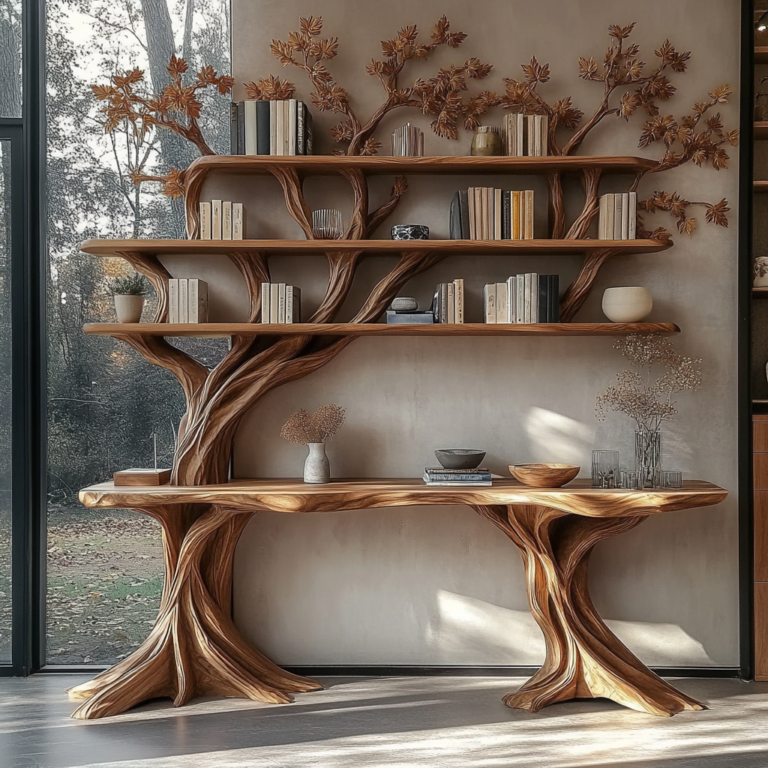
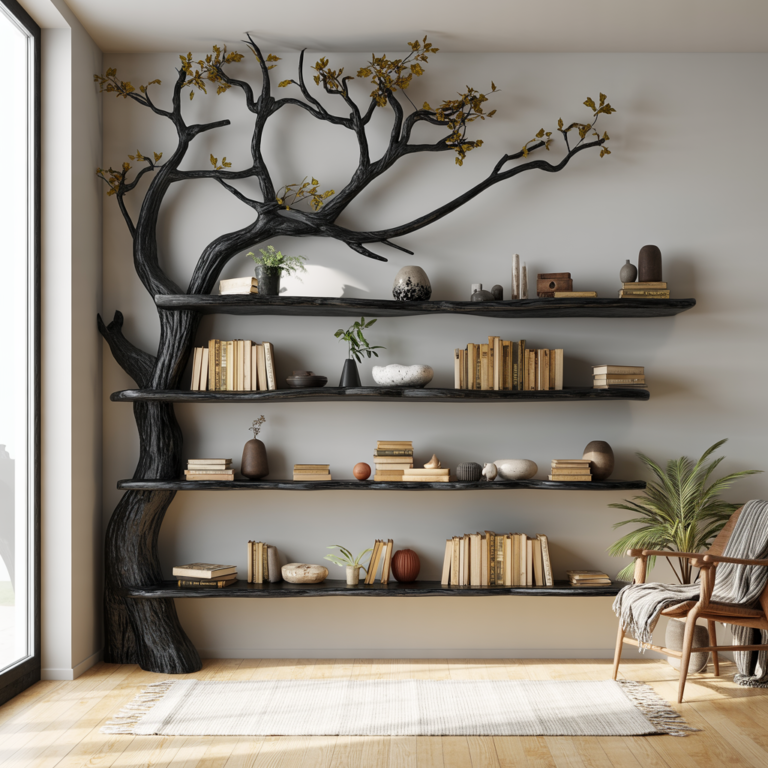
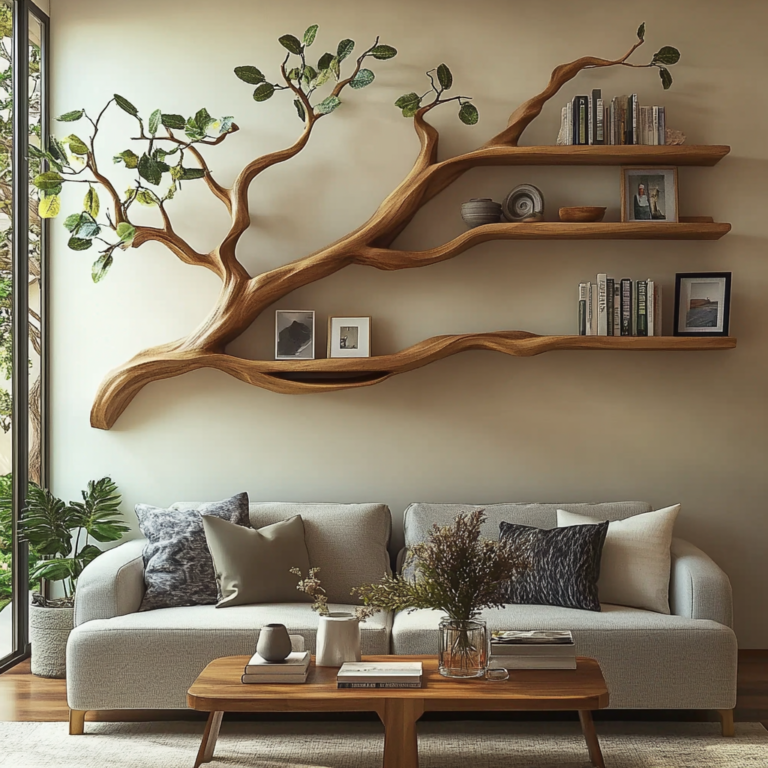
A tree branch bookshelf makes a dramatic, organic statement. The right lighting turns that statement into a gallery: it highlights spines, reveals texture in the wood, and creates mood. This guide covers practical lighting strategies for a tree branch bookshelf, with trusted product types, placement tips, safety considerations, and design ideas to help you showcase your collection without harming the wood.

Why lighting matters for a tree branch bookshelf
Lighting transforms a tree branch bookshelf from a sculptural storage piece into a focal display. Proper illumination:
- Draws attention to titles and decorative objects
- Shows grain, knots, and the natural contours of the branch
- Improves readability for nighttime browsing
- Creates layered ambiance in the room
Because tree branch bookshelves often feature irregular surfaces and varying depth, lighting should be flexible and forgiving while preserving the wood’s finish and structural integrity.
Best lighting types for a tree branch bookshelf
Choose low-heat, energy-efficient light sources that are easy to direct. The most useful options are:
- LED strip lights: Slim, flexible, and dimmable. Ideal for underside shelf lighting, backlighting a recessed branch, or creating continuous glow along a shelf edge.
- Puck lights: Small circular fixtures that create pool-like accents. Use them to spotlight a special title or decorative object on a branch-led shelf.
- Gooseneck mini lamps: Adjustable arms that allow precise beam placement. Great for reading nooks integrated into a tree branch bookshelf.
- Picture and display lights: Designed to highlight art and objects. Low-profile picture lights can be mounted above or on the trunk to wash the branch with light.
- Recessed micro spots: Small recessed fixtures installed into a thicker branch or inset shelf. They deliver clean, discreet accent light.
- Fairy or string lights: Decorative and soft. Best for ambient accents or to follow the contour of a branch for a whimsical effect.
Color temperature, brightness, and CRI
For wooden shelves and books, warm light tends to be most flattering:

- Color temperature: 2700K to 3000K for a warm, inviting glow. 3000K is slightly crisper while still warm.
- Brightness: Use 100-300 lumens per linear foot for accent strips; 400-800 lumens for a reading area. When in doubt, choose dimmable fixtures.
- CRI (Color Rendering Index): 90+ is ideal to render book spines and wood accurately. Opt for LEDs with high CRI for the best color fidelity.
Placement strategies for maximum impact
Plan lighting to accentuate form and function:
- Undershelf lighting: Attach LED strips to the underside of each shelf tier to illuminate the row below. This is one of the cleanest ways to light spines evenly without glare.
- Backlighting: Install LED tape behind the shelf back or recessed cavities to produce a halo effect around the branch silhouette.
- Top-down spot lighting: Use small directional spots above the shelf to cast grazing light across the branch texture and book spines.
- Integrated branch accents: For thicker branches, consider embedding micro-pucks or recessed fixtures into the branch to highlight natural curves (only if done by a skilled craftsman).
- Task light zones: If the tree branch bookshelf includes a reading nook, add a dedicated gooseneck lamp with focused light for comfortable reading.
Protecting the wood and finish
Wood and light interact in two important ways: heat and UV exposure. Take these precautions:
- Use LED fixtures. LEDs emit minimal heat and negligible UV compared to incandescent or halogen bulbs.
- Avoid physically fastening fixtures with invasive fasteners where possible. Prefer straps, clamps, or adhesive-backed channels designed for wood to prevent splitting or staining.
- Maintain a reasonable distance between lights and the wood surface. Even low-heat LEDs should not press directly against varnish long-term.
- Use diffusers or frosted covers to soften hot spots and limit direct beam contact on the finish.
Wiring, power options, and smart control
Consider how you will power and control your lighting before installation:
- Hardwired low-voltage systems provide a clean look and support multiple zones. Use a transformer rated for the total LED load.
- Plug-in LED drivers are simplest for DIY and avoid cutting into the wall.
- Battery-operated lights (rechargeable) are ideal for branch sections where wiring would be difficult.
- Smart bulbs and controllers let you dim, change color temperature, and automate schedules. Many LED strips are compatible with popular smart ecosystems.
DIY ideas and quick installations
Easy, high-impact projects you can try:

- Stick adhesive LED tape under each shelf. Hide the driver behind the unit and run a thin cable to a nearby outlet.
- Wrap warm white micro-LED string lights around the contour of a branch and tuck the battery pack behind a shelf for a soft glow.
- Mount small puck lights with rubberized mounting pads above key display niches to spotlight collectibles and feature books.
- Create recessed channels in thicker shelves or branch segments for concealed LED strips and a flush finish. Engage a carpenter if you lack routing tools.
Styling tips to highlight books
Use lighting to guide the viewer’s eye and enhance organization:
- Light focal points, not every book. Pick thematic clusters or most treasured volumes to spotlight.
- Alternate warm accent light with cooler task light in reading areas to create contrast and depth.
- Use grazing light along textured bark to emphasize natural features of the branch bookshelf.
- Consider color accents for children’s collections or art books: subtle colored LEDs can set a playful tone.
Maintenance and troubleshooting
- Dust LED strips and fixtures with a soft brush periodically to prevent buildup that can reduce output.
- Check adhesive channels annually; replace or resecure them if they begin to lift from the wood surface.
- If flicker occurs, confirm the LED driver is compatible with the fixtures and that wiring connections are secure.
- Store spare connectors and a small driver for quick repairs if a segment fails.
Quick checklist before you install
- Map the lighting zones and sketch where cables and drivers will hide.
- Measure total LED length and calculate the required driver wattage plus a 20% buffer.
- Decide on mounting method that preserves the branch finish.
- Choose color temperature and confirm CRI 90+ for accurate book color.
- Test lights temporarily with clamps before committing to permanent mounts.
FAQs
Will LED lights damage a tree branch bookshelf?
LEDs are the safest option because they emit very little heat and no UV. If mounted correctly with space and diffusers, they will not damage the wood.
Can I hide wiring in an irregular, sculptural branch?
Yes. Use thin flat ribbon LED wires, run cables along the back, or conceal wiring inside hollow sections where possible. Battery or USB-powered options avoid visible wiring entirely.
What is the best color temperature for books?
A warm white in the 2700K-3000K range is typically most flattering for wood and book spines while remaining comfortable for reading.
Should I hire a pro?
For embedded fixtures, hardwiring, or routing channels into solid wood, a professional carpenter or licensed electrician is recommended. For adhesive strips and plug-in lights, many DIYers can achieve excellent results.
Conclusion
Lighting a tree branch bookshelf is both technical and creative. Choose low-heat LEDs, plan zones for accent and task light, and protect the wood finish by avoiding invasive mounting and excessive heat. With thoughtful placement and control—dimming, color temperature, and high CRI LEDs—you can turn a tree branch bookshelf into a warm, curated display that highlights your books and the natural beauty of the wood.
Ready to start? Sketch your shelf, pick a light type, and test a temporary setup. Small changes often have dramatic results.