A tree bookshelf is popular for a reason. It turns ordinary book storage into a design feature, adds vertical interest to a room, and works especially well for readers who want furniture that feels both practical and decorative. But while the concept is appealing, not every home has the footprint for one. In compact apartments, narrow bedrooms, or multipurpose living areas, even a slim bookcase can feel too bulky if the layout is already tight.

If you love the look of a tree bookshelf but need something better suited to a smaller room, there are excellent alternatives that deliver similar visual appeal and storage efficiency. The key is understanding what makes a tree-style shelf attractive in the first place: vertical organization, a sculptural profile, and the ability to display books in a more dynamic way than a standard rectangular case.
In this guide, we will look at the best tree bookshelf alternatives if space is limited, explain which options work best in specific rooms, and help you choose a piece that balances style, stability, and function. Whether you were considering a tall tree bookshelf, a narrow tree bookshelf, or a decorative tree bookshelf, these alternatives can help you get the same aesthetic benefits with a better fit for your home.
Why a Tree Bookshelf Can Be Challenging in Small Spaces
Before choosing an alternative, it helps to understand where the limitations come from. A tree bookshelf is designed to branch outward. That branching shape is visually interesting, but it can create practical issues in tighter spaces.
- It may need more side clearance than a traditional bookcase because angled shelves extend into the room.
- It can reduce flexibility when placed near beds, sofas, desks, or doorways.
- Some models prioritize design over capacity, which means less usable storage per square foot.
- Stability matters, especially in homes with children or pets, since tall, narrow pieces often need wall anchoring.
That does not mean you should rule it out completely. A tree bookshelf for bedroom or a tree bookshelf for living room can still work beautifully if the dimensions are right. However, if every inch counts, alternatives often provide better organization and a cleaner footprint.
What to Look for in a Space-Saving Alternative
The best alternative should preserve the strengths of a tree bookshelf while minimizing the drawbacks. Look for furniture or storage solutions with the following qualities:
- Vertical design: Taller pieces use wall height instead of consuming valuable floor area.
- Shallow depth: Slim storage units are easier to place in tight corners and along narrow walls.
- Visual lightness: Open shelving or floating designs keep small rooms from feeling crowded.
- Multifunctional use: Furniture that combines book storage with display or hidden compartments adds more value.
- Room compatibility: The right solution for a bedroom may differ from the best choice for a living room or apartment entryway.
When comparing options, think beyond appearance. Measure width, depth, and how far shelves project. A piece that looks compact online may feel oversized once it is placed next to other furniture.
Best Tree Bookshelf Alternatives for Limited Space
1. Ladder Bookshelves
Ladder bookshelves are one of the best substitutes for a tree bookshelf in a small room. They lean visually upward, have an open and airy profile, and typically take up less visual space than a full boxy unit.
Why they work:
- The footprint is usually compact.
- They offer several tiers for books, plants, and decor.
- The open sides make a room feel less crowded.
- They fit well in corners, beside a sofa, or next to a bed.
A ladder shelf can mimic the sculptural effect of a decorative tree bookshelf while being easier to integrate into minimalist layouts. It is particularly effective in apartments where furniture needs to feel light rather than heavy.
2. Corner Shelving Units
If your room lacks open wall space, the corner is often the most underused area. Corner shelving turns dead space into practical storage and can free up the center of the room.
Benefits include:
- Excellent use of overlooked space.
- Minimal interference with traffic flow.
- Strong fit for small bedrooms and reading nooks.
- Ideal for displaying a curated collection rather than storing every book you own.
For anyone searching for a tree bookshelf for small spaces, corner shelving often performs better because it occupies a zone that standard furniture leaves empty.

3. Floating Wall Shelves
Floating shelves are among the most efficient solutions when floor space is the primary limitation. Instead of competing with beds, couches, or desks, they move book storage onto the wall.
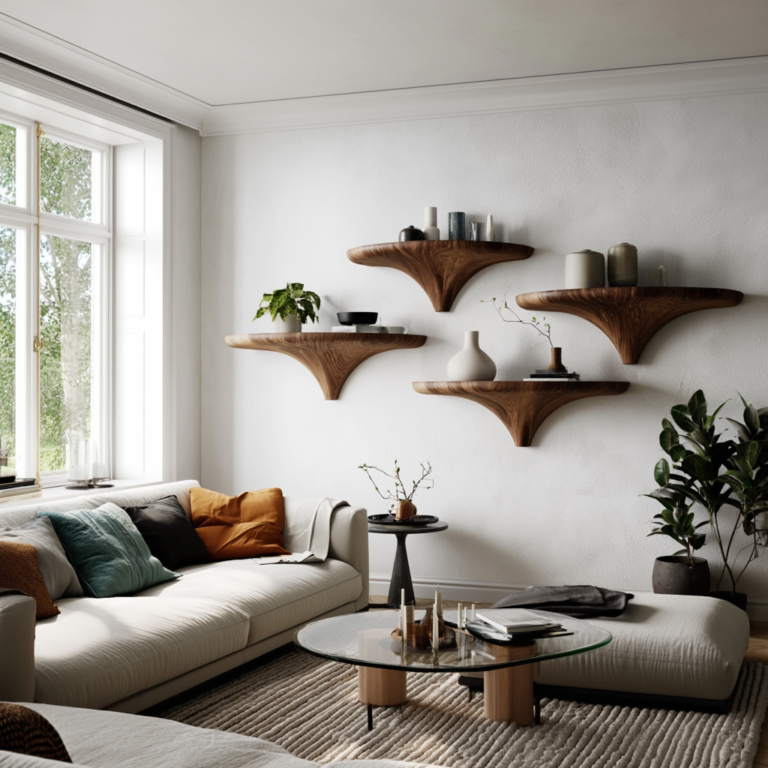
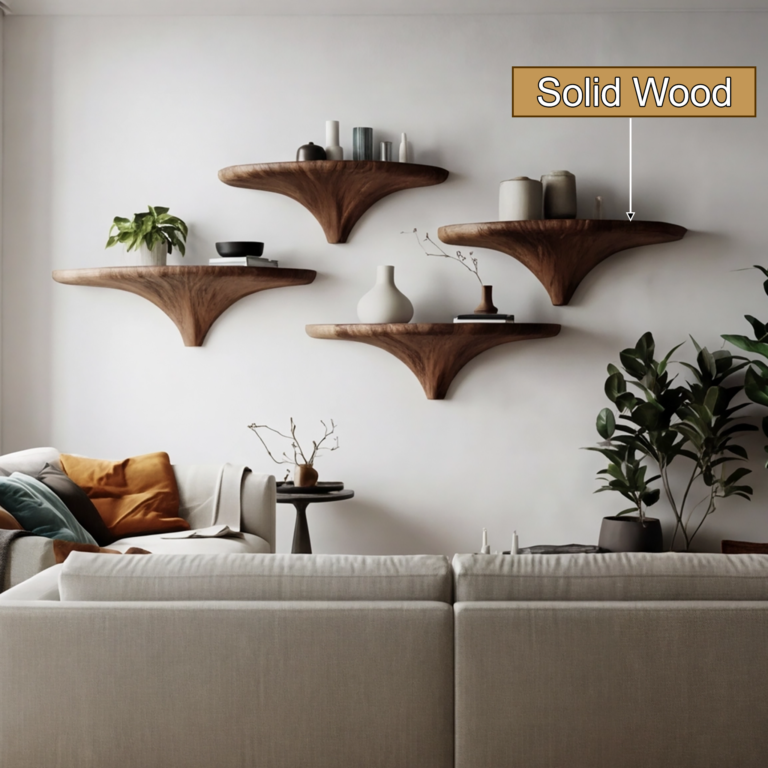
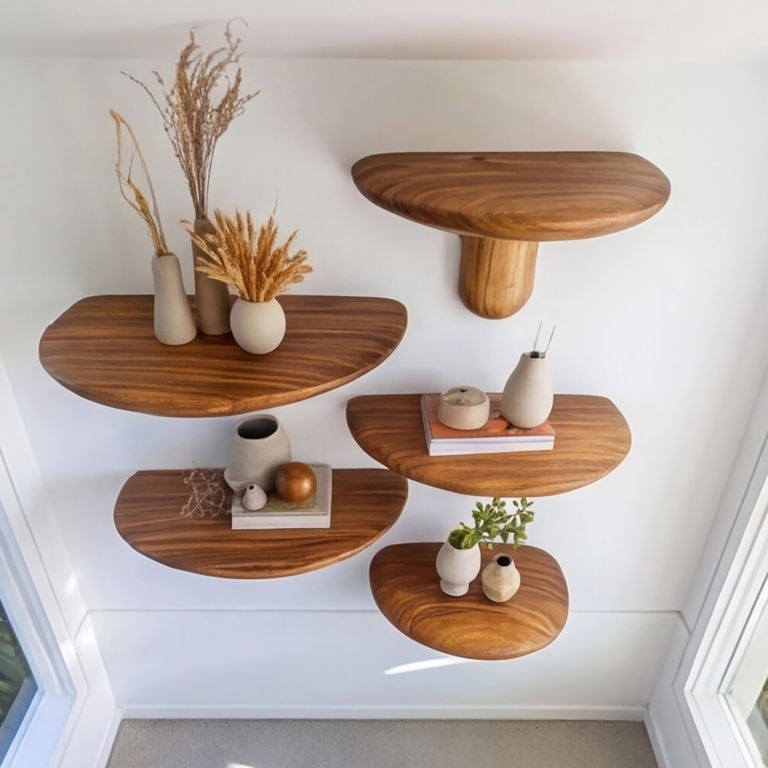
They are especially useful if you like the modern, artistic feel of a tree bookshelf but want more control over the arrangement. You can install shelves in staggered rows or branch-like patterns to create a custom composition that captures the same visual energy.
Best uses:
- Above a desk in a home office.
- Beside or above the bed in a compact bedroom.
- Over a low media console in a living room.
- In hallways or entry areas where a floor-standing shelf would be intrusive.
This is an especially smart option for a modern tree bookshelf for apartment aesthetic, because wall-mounted storage supports a sleek, uncluttered look.
4. Narrow Standard Bookcases
A narrow tree bookshelf may seem like the perfect answer, but sometimes the better solution is a slim, traditional bookcase with clean lines and adjustable shelves. These bookcases often store more books in less space because every inch is usable.
Advantages:
- Better storage density than branch-style shelving.
- Easy to fit between windows, near doorways, or in awkward wall gaps.
- Works with almost any decorating style.
- Often more stable and easier to anchor.
To keep the result from feeling plain, style the top shelves with plants, framed art, or sculptural bookends. This gives you the decorative benefit of a tree bookshelf without sacrificing function.
5. Rotating Book Towers
Rotating book towers are a smart alternative when the goal is maximum vertical storage in a tiny footprint. These units are tall, compact, and designed to hold a surprising number of books while allowing easy access from multiple sides.
Why they are effective:
- They use vertical space extremely well.
- They have a smaller footprint than many accent shelves.
- The rotating design adds convenience in tight areas.
- They suit readers with larger collections who still need compact storage.
A rotating tower may not have the same branch-like silhouette as a tree bookshelf, but it serves a similar role as a statement storage piece, especially in studios and small apartments.
6. Wall-Mounted Cubes and Modular Shelving
Modular shelving offers flexibility that fixed furniture often cannot. You can start small and expand later, arrange units vertically, or build around other furniture. This approach is ideal for renters and homeowners who expect room layouts to change.
Key benefits:

- Customizable to your wall dimensions.
- Easy to create a decorative display.
- Can combine open cubes with enclosed storage.
- Useful in both bedrooms and living rooms.
If you like the artistic look of a decorative tree bookshelf, modular cubes let you create an abstract arrangement that feels intentional and modern.
7. Over-the-Desk or Over-the-Bed Shelving
Sometimes the answer is not a different shelf shape but a different shelf location. When floor area is crowded, the wall space above existing furniture may be your best opportunity.
This strategy is ideal for:
- Small bedrooms with limited walking space.
- Study areas where books need to stay accessible.
- Compact apartments where one room serves multiple functions.
Compared with a tall tree bookshelf, overhead shelving can provide similar vertical efficiency while keeping the floor completely open.
Best Alternatives by Room Type
Tree Bookshelf for Bedroom Alternatives
A tree bookshelf for bedroom needs to feel calm and unobtrusive. Bedrooms often have less available wall space because beds, dressers, and nightstands take priority. In this room, the best alternatives are:
- Floating shelves above the nightstand or desk.
- Corner shelves for unused angles.
- Slender ladder shelves with a shallow depth.
- Narrow bookcases that fit beside a wardrobe or window.
In bedrooms, visual simplicity matters. Open shelves should be styled selectively so the room does not feel busy. Choose finishes that blend with existing furniture, such as white, oak, walnut, or matte black depending on your decor.
Tree Bookshelf for Living Room Alternatives
A tree bookshelf for living room often functions as both storage and decor, so the replacement should strike the same balance. The most effective options include:
- Ladder shelves beside a sofa.
- Floating shelves above a console.
- Modular wall shelving that frames a TV or reading corner.
- Rotating book towers for compact but high-capacity storage.
In living rooms, the goal is usually to create a focal point without overwhelming the seating area. A low-profile shelving solution with a strong design presence usually performs better than a wider freestanding unit.
Apartment-Friendly Options
Apartment living often demands furniture that is light, flexible, and easy to move. If you were searching for a modern tree bookshelf for apartment use, prioritize these traits:
- Small footprint.
- Easy assembly and relocation.
- Wall-mount capability where allowed.
- Neutral, contemporary finishes.
Floating shelves, slim ladder units, and modular systems are often more apartment-friendly than bulky statement pieces. They preserve openness, which is essential in smaller homes where one crowded corner can make the whole space feel tighter.
Material Matters: Wood, Metal, or Composite?
Material choice affects not only style but also durability, weight, and long-term value. Many shoppers who like the natural appeal of a solid wood tree bookshelf want a similar look in an alternative. Here is how the main materials compare:
Solid Wood
- Durable and long-lasting.
- Offers warmth and premium visual appeal.
- Works well in traditional, Scandinavian, rustic, and transitional interiors.
- Usually heavier and more expensive.
A solid wood tree bookshelf alternative, such as a narrow oak ladder shelf or walnut floating shelves, is an excellent choice if you want timeless quality.

Metal
- Strong and often slimmer in profile.
- Ideal for industrial or modern interiors.
- Can make small spaces feel visually lighter if paired with open shelving.
- May feel colder than wood in bedrooms.
Engineered Wood or Composite
- Budget-friendly and widely available.
- Often lighter and easier to move.
- Comes in many finishes.
- Quality varies, so check weight capacity and hardware.
If your budget is limited, engineered wood can still look attractive, but it is worth choosing a well-reviewed design with solid joinery and reliable mounting hardware.
How to Make a Small Shelf Look More Stylish
One reason people choose a tree bookshelf is that it doubles as decor. If you switch to a more compact alternative, styling becomes even more important. A basic shelf can still look refined if you treat it like part storage, part display.
Use these styling tips:
- Mix vertical and horizontal stacks to create rhythm.
- Leave some negative space so the shelf does not feel overcrowded.
- Add a plant or trailing greenery for softness.
- Use bookends or small objects to break up rows of books.
- Choose a consistent color palette for a calmer look.
- Limit tiny accessories that can create visual clutter.
This approach can help a slim ladder shelf or floating unit deliver the same elevated effect as a decorative tree bookshelf.
Measurement Tips Before You Buy
In compact spaces, measurements are everything. Before ordering any alternative, check the following:
- Overall width: Make sure it fits your wall without crowding nearby furniture.
- Depth: Shallow shelves are better for walkways and narrow rooms.
- Height: Taller units maximize storage but may require anchoring.
- Shelf clearance: Ensure it fits your tallest books or decor pieces.
- Door and drawer swing: Leave room for nearby furniture to open properly.
It is also smart to mark the dimensions on the floor with painter’s tape. This gives you a clearer sense of how much physical and visual space the piece will occupy.
Who Should Still Choose a Tree Bookshelf?
Even with many excellent alternatives, there are situations where a tree bookshelf remains the right choice. If you have a narrow wall, a modest book collection, and a strong interest in sculptural furniture, a carefully chosen model can work very well.
A tall tree bookshelf may still be ideal if:
- You want a true statement piece.
- You mostly display paperbacks or smaller books.
- You can anchor it securely.
- You have enough side clearance for the branch-style layout.
Likewise, a narrow tree bookshelf can be useful if the room is small but you still want the signature silhouette. Just be realistic about capacity and placement.
Final Thoughts
A tree bookshelf is visually distinctive, but it is not the only smart option for stylish book storage. If space is limited, the best alternative often provides better capacity, easier placement, and a cleaner fit with your everyday layout. Ladder shelves, corner units, floating shelves, narrow bookcases, rotating towers, and modular wall systems can all deliver the vertical, decorative appeal people love in a tree-inspired design.
The right choice depends on your room, your collection size, and how much floor space you can realistically spare. For a bedroom, subtle wall-mounted or corner storage often works best. For a living room, an open shelf with display potential can replace a tree bookshelf for living room styling without dominating the area. In apartments, lightweight and modular designs usually offer the most flexibility.
If you still love the idea of a tree bookshelf, look for one with a compact footprint, sturdy construction, and proportions that match your wall. But if practicality comes first, one of these alternatives may serve your space even better while preserving the modern, decorative character you were after.