A bathroom vanity remodel can completely redefine the look, function, and value of a bathroom. Whether you are updating a dated powder room or redesigning a spacious primary bath, the right bathroom vanity acts as both a visual anchor and a practical storage solution. A well-planned before-and-after transformation is not just about replacing a cabinet and sink. It involves proportion, layout, material selection, lighting, storage strategy, and a clear understanding of how the vanity supports everyday routines.

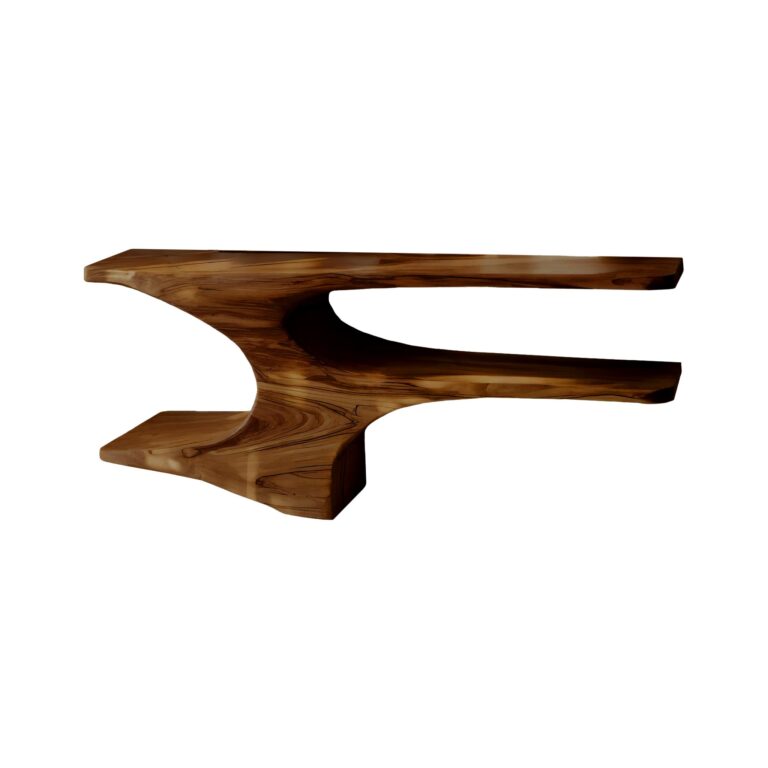
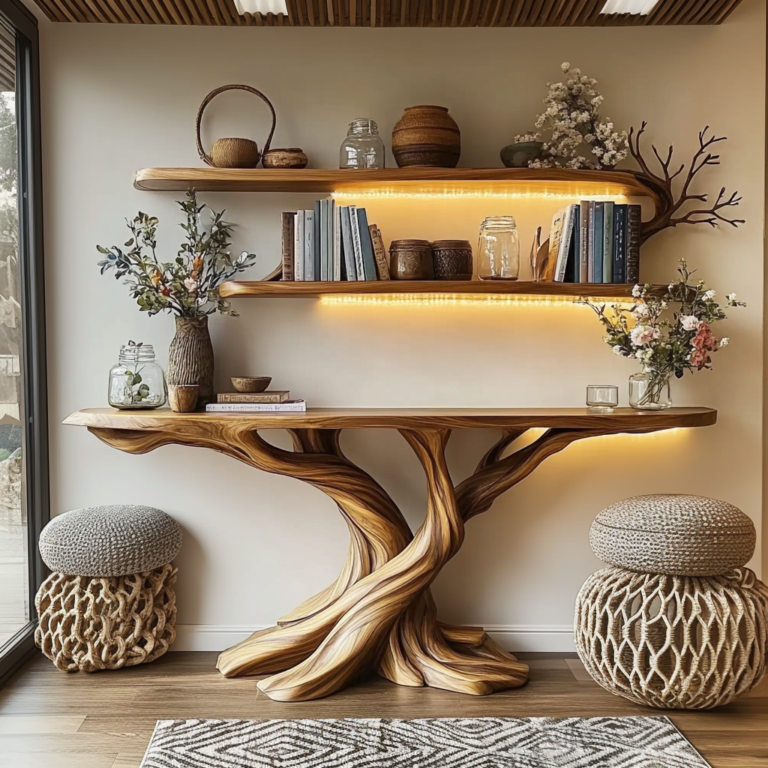
When homeowners picture a dramatic remodel, the bathroom vanity is often the centerpiece. It can introduce warmth through natural wood, create a clean architectural statement, or bring a custom feel that elevates the entire room. From a teak bathroom vanity in a spa-inspired retreat to a white oak bathroom vanity in a soft organic design, choosing the right direction will shape every other design decision.
Why the Bathroom Vanity Matters So Much
The bathroom vanity is one of the hardest-working features in the home. It supports grooming, storage, lighting, and circulation within the space. Because it sits at eye level and occupies a prominent wall, it strongly influences the room’s overall style. In most before-and-after remodels, the vanity is also where the biggest visual impact happens.
An outdated vanity can make the bathroom feel cramped, dark, and inefficient. Common problems include poor storage, low-quality finishes, awkward heights, insufficient counter space, and designs that clash with the rest of the home. Replacing or upgrading the vanity can solve these issues while giving the room a polished and cohesive appearance.
- Improves organization and daily usability
- Creates a stronger focal point
- Increases countertop and sink functionality
- Supports better lighting and mirror placement
- Helps raise perceived home value
Start with the Before: Assess the Existing Space
Every successful remodel begins with an honest evaluation of the current bathroom. Before selecting a new bathroom vanity, study what is not working. The best before-and-after results come from solving real functional problems rather than making surface-level changes alone.
Measure the room carefully and note the following:
- Width, depth, and height of the current vanity
- Location of plumbing lines and electrical outlets
- Door swings and traffic flow
- Natural and artificial light sources
- Storage needs for daily routines
- Areas where moisture or wear are common
If the room feels crowded, a slimmer vanity or wall-mounted option may improve movement. If storage is lacking, a larger double-drawer configuration or a custom bathroom vanity might be the ideal solution. Understanding the limitations and opportunities of the room ensures the final design looks intentional rather than forced.
Choose the Right Vanity Size and Configuration
Size is one of the most important factors in a bathroom vanity remodel. A vanity that is too small can look underwhelming and fail to provide enough storage. A vanity that is too large can overwhelm the room and make circulation difficult. The goal is to balance scale, comfort, and function.
Single-sink vanities generally work well in smaller bathrooms, guest baths, and powder rooms. Double-sink vanities are ideal for shared primary bathrooms where simultaneous use is important. Drawer-based storage is often more efficient than traditional cabinet doors because it offers better access and organization.
Common vanity widths include:
- 24 to 36 inches for compact bathrooms
- 42 to 60 inches for standard full bathrooms
- 60 to 72 inches or more for primary suites
Depth also matters. Standard depths around 20 to 22 inches offer good storage, but shallower designs can help in narrow bathrooms. If you need a highly tailored fit, a custom wood bathroom vanity can be built to maximize every inch while accommodating plumbing and design preferences.
Material Selection: Beauty Meets Durability
Bathrooms are high-moisture environments, so vanity materials need to perform well over time. Durable construction and quality finishes are essential for achieving a long-lasting remodel that still looks beautiful years after installation.

Solid wood and wood veneers remain popular because they add natural warmth and richness. Engineered materials can also be effective when properly sealed and manufactured for bathroom use. Countertop surfaces should resist water, cosmetics, heat, and everyday wear.
Popular vanity materials and finishes include:
- White oak bathroom vanity: A favorite for clean, organic interiors with subtle grain and light warmth
- Teak bathroom vanity: Naturally moisture-resistant and ideal for spa-like, high-end bathrooms
- Walnut bathroom vanity: Deep, luxurious color that brings sophistication and contrast
- Rustic wood bathroom vanity: Adds texture, character, and handcrafted appeal
- Painted finishes: Great for classic, coastal, or transitional looks
For countertops, quartz remains a leading choice due to its durability and low maintenance. Natural stone can also be stunning, but it often requires more sealing and care. Integrated sinks, vessel sinks, and undermount sinks each create different visual effects, so choose a style that supports both use and aesthetics.
Explore Style Directions for a Strong Before-and-After Reveal
The most memorable bathroom vanity remodels have a clear design story. Defining the style early helps guide material, hardware, mirror, and lighting choices. Rather than mixing too many competing trends, focus on a direction that complements your home and suits the bathroom’s scale.
Japandi Bathroom Vanity
A japandi bathroom vanity blends Japanese simplicity with Scandinavian warmth. This style favors clean lines, natural wood tones, muted palettes, minimal hardware, and uncluttered surfaces. It works especially well in bathrooms where the goal is calm, balance, and understated luxury.
Luxury Bathroom Vanity
A luxury bathroom vanity often includes premium materials, custom detailing, stone countertops, designer lighting, and elegant hardware. Floating forms, ribbed wood fronts, integrated lighting, and refined storage features can all contribute to a high-end look.
Custom Bathroom Vanity
A custom bathroom vanity offers the most flexibility. It allows you to tailor dimensions, storage zones, finish, sink placement, and decorative details to the exact needs of the room. This option is especially valuable in older homes, unusual layouts, and upscale remodels where a built-in appearance is desired.
Rustic and Natural Wood Designs
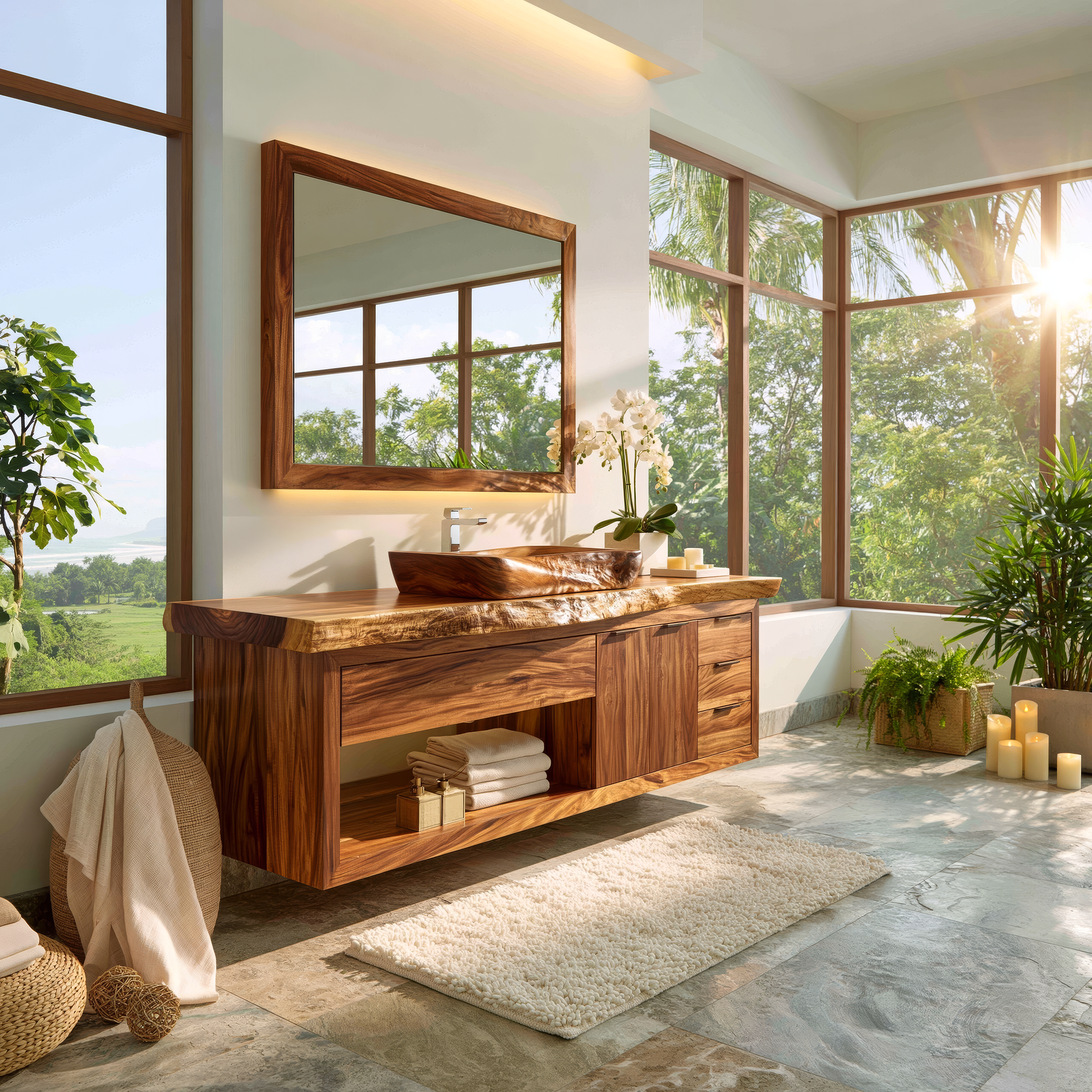
If your goal is warmth and texture, a rustic wood bathroom vanity or custom wood bathroom vanity can create a striking transformation. Pair it with stone, matte black hardware, or soft neutral walls for a balanced look that feels elevated rather than overly heavy.
Storage Upgrades That Make a Real Difference
The best bathroom vanity remodels improve how the room works every day. Storage should be planned around actual habits, not just visual symmetry. Think about what needs to be hidden, what should remain accessible, and what tends to create clutter.
Smart storage ideas include:
- Deep drawers for hair tools and larger toiletries
- Shallow upper drawers for makeup and grooming items
- Vertical dividers for styling tools
- Pull-out organizers for cleaning products
- Open shelving for towels or baskets
- Built-in electrical outlets inside drawers or cabinets
A custom bathroom vanity is particularly useful when organizing around specific needs. Shared bathrooms may require divided storage zones, while smaller bathrooms benefit from highly efficient drawer layouts that eliminate wasted interior space.
Color, Finish, and Contrast Strategies
Color and finish have a major effect on the before-and-after visual impact. Lighter vanities can make a bathroom feel brighter and more open, while darker woods add depth and drama. The right contrast between vanity, walls, flooring, and countertop creates dimension and sophistication.
A white oak bathroom vanity works beautifully with soft whites, warm grays, muted greens, and natural stone. A walnut bathroom vanity can ground a bathroom with lighter walls and polished metal accents. A teak bathroom vanity pairs especially well with earthy palettes, textured tile, and organic finishes.
When selecting a finish, keep maintenance in mind. Matte and satin finishes often hide fingerprints and water marks better than high-gloss surfaces. In family bathrooms, durability should be weighed as heavily as appearance.
Don’t Overlook Mirrors and Lighting
A beautiful bathroom vanity will not reach its full potential without the right mirror and lighting plan. Mirrors amplify style and influence how spacious the room feels. Lighting affects not only mood but also everyday tasks such as shaving, makeup application, and skincare.
For the best results:
- Choose mirrors proportionate to the vanity width
- Install sconces or vertical fixtures at face level when possible
- Layer ambient, task, and accent lighting
- Use warm, flattering bulbs with accurate color rendering
- Consider backlit mirrors for a contemporary look
In before-and-after remodels, improved lighting often makes as much impact as the vanity itself. A dark, shadowy setup can instantly become bright, elegant, and highly functional with thoughtful fixture placement.
Hardware and Details That Elevate the Design
Small details can dramatically refine the final result. Hardware, faucet finishes, toe-kick or floating profiles, edge details, and sink style all contribute to the overall feel of the bathroom vanity.
Popular hardware and fixture finishes include:
- Brushed nickel for timeless versatility
- Matte black for bold modern contrast
- Unlacquered brass for warmth and patina
- Polished chrome for a crisp classic appearance
Minimal hardware or integrated pulls suit a japandi bathroom vanity or modern design. More decorative hardware can enhance transitional or traditional spaces. The key is consistency. Repeating finishes across the faucet, mirror frame, shower trim, and lighting helps the room feel cohesive.
Floating vs. Freestanding Bathroom Vanity
One of the biggest style decisions in a remodel is whether to choose a floating or freestanding bathroom vanity. Both can be beautiful, but they offer different advantages.
Floating vanities create a lighter, more contemporary appearance. They can make smaller bathrooms feel more spacious and allow the flooring to run continuously underneath. Many luxury bathroom vanity designs use floating forms for a clean, architectural look.
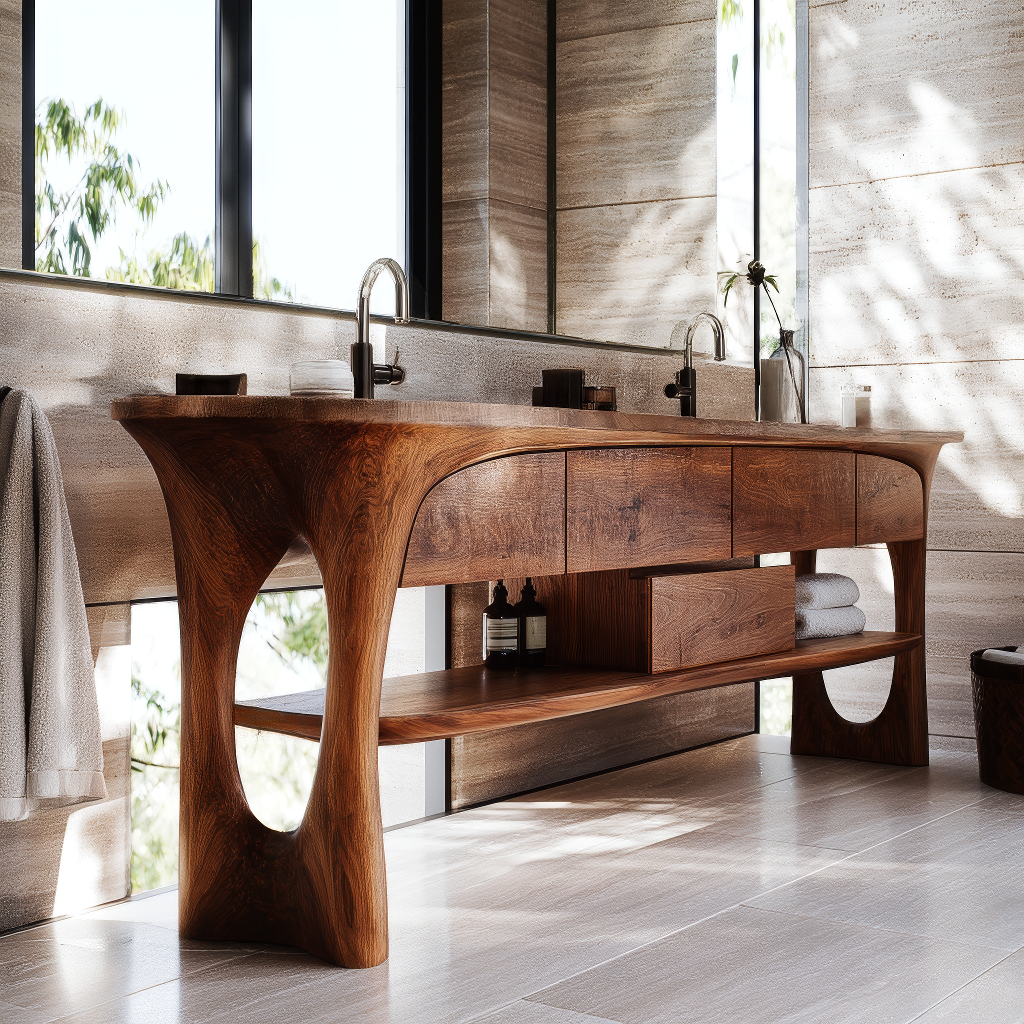
Freestanding vanities often offer a more furniture-like presence. They can feel substantial and classic, particularly in wood finishes such as walnut, teak, or white oak. They also tend to provide generous enclosed storage.
The right choice depends on your bathroom style, wall structure, plumbing configuration, and storage goals.
Budgeting for a Vanity Remodel Wisely
A bathroom vanity remodel can range from a modest refresh to a premium custom installation. Budgeting wisely means understanding where to invest for visible impact and long-term performance.
Higher-value investment areas include:
- Cabinet construction quality
- Moisture-resistant materials
- Durable countertop surfaces
- Reliable drawer glides and hinges
- Professional plumbing and installation
If your budget is limited, prioritize the bathroom vanity itself, the countertop, and lighting. These are the elements that tend to shape both function and first impressions. A custom wood bathroom vanity may cost more upfront, but it often delivers superior fit, uniqueness, and durability compared with lower-quality stock options.
How to Create a Truly Stunning Before and After
The most impressive transformations come from combining aesthetics with practical improvements. To achieve a striking before-and-after reveal, make sure the new bathroom vanity addresses both design flaws and usability concerns.
Ask these questions during planning:
- Does the new vanity improve movement through the room?
- Will the storage support real daily routines?
- Do the materials suit the moisture level and maintenance expectations?
- Is the vanity style consistent with the rest of the home?
- Will the lighting flatter both the vanity and the user?
Even subtle changes can have dramatic results when they are executed cohesively. Replacing a bulky vanity with a better-scaled white oak bathroom vanity, for example, can instantly brighten the room. Introducing a teak bathroom vanity can turn a sterile bathroom into a warm retreat. A custom bathroom vanity can solve awkward layout issues while making the room appear designed rather than improvised.
Common Bathroom Vanity Remodel Mistakes to Avoid
To get the best return on your remodel, avoid these frequent missteps:
- Choosing style before verifying dimensions and plumbing constraints
- Underestimating storage needs
- Ignoring countertop maintenance requirements
- Selecting poor lighting that creates shadows
- Using finishes that do not hold up to moisture
- Failing to coordinate mirror, faucet, and hardware proportions
- Buying a vanity too large for the room
Careful planning can prevent expensive corrections and ensure the final bathroom vanity feels as good to use as it looks in photos.
Final Thoughts
A bathroom vanity remodel is one of the most effective ways to create a dramatic before-and-after transformation. The right bathroom vanity can improve storage, enhance comfort, elevate the room’s style, and add lasting value to the home. Whether you are drawn to a japandi bathroom vanity, a white oak bathroom vanity, a teak bathroom vanity, or a fully custom bathroom vanity, success comes from balancing beauty, scale, material performance, and daily function.
By approaching the remodel strategically, you can turn an outdated bathroom into a space that feels intentional, luxurious, and easy to live with. The best results are not just visually stunning. They make every day better.