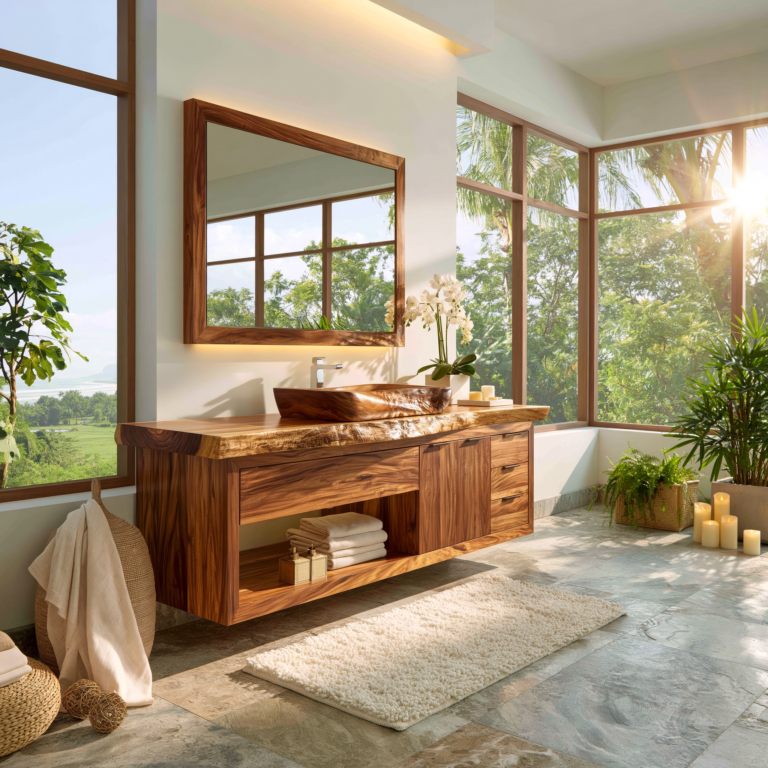
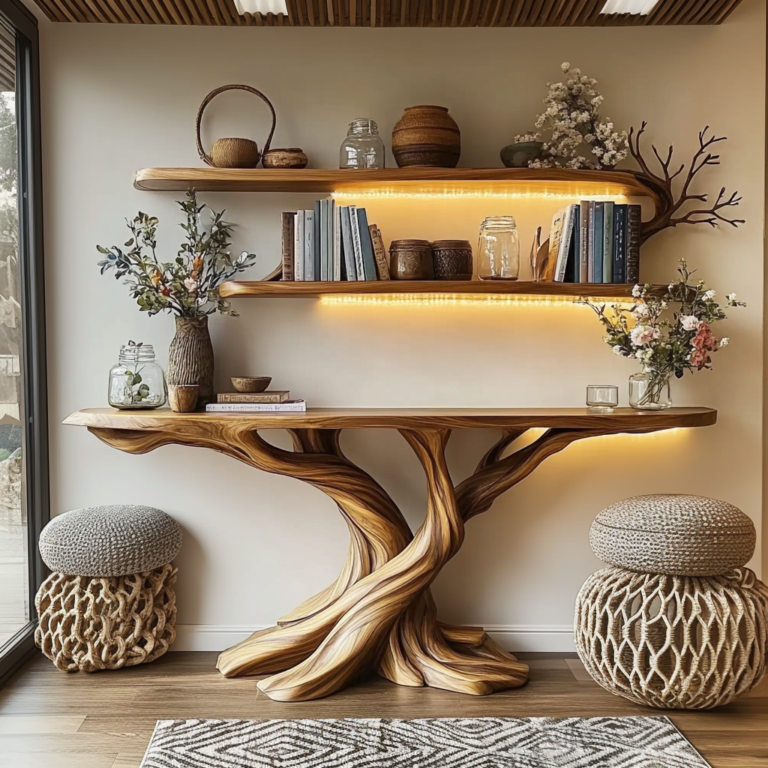
A well-chosen bathroom vanity can completely change how a renovation looks and feels. While tile, lighting, and fixtures matter, the vanity often becomes the visual anchor of the room. It sets the tone for the design, defines storage, and influences how polished the final result appears. If you want a bathroom that feels more tailored, upscale, and intentional, focusing on the vanity is one of the smartest design decisions you can make.
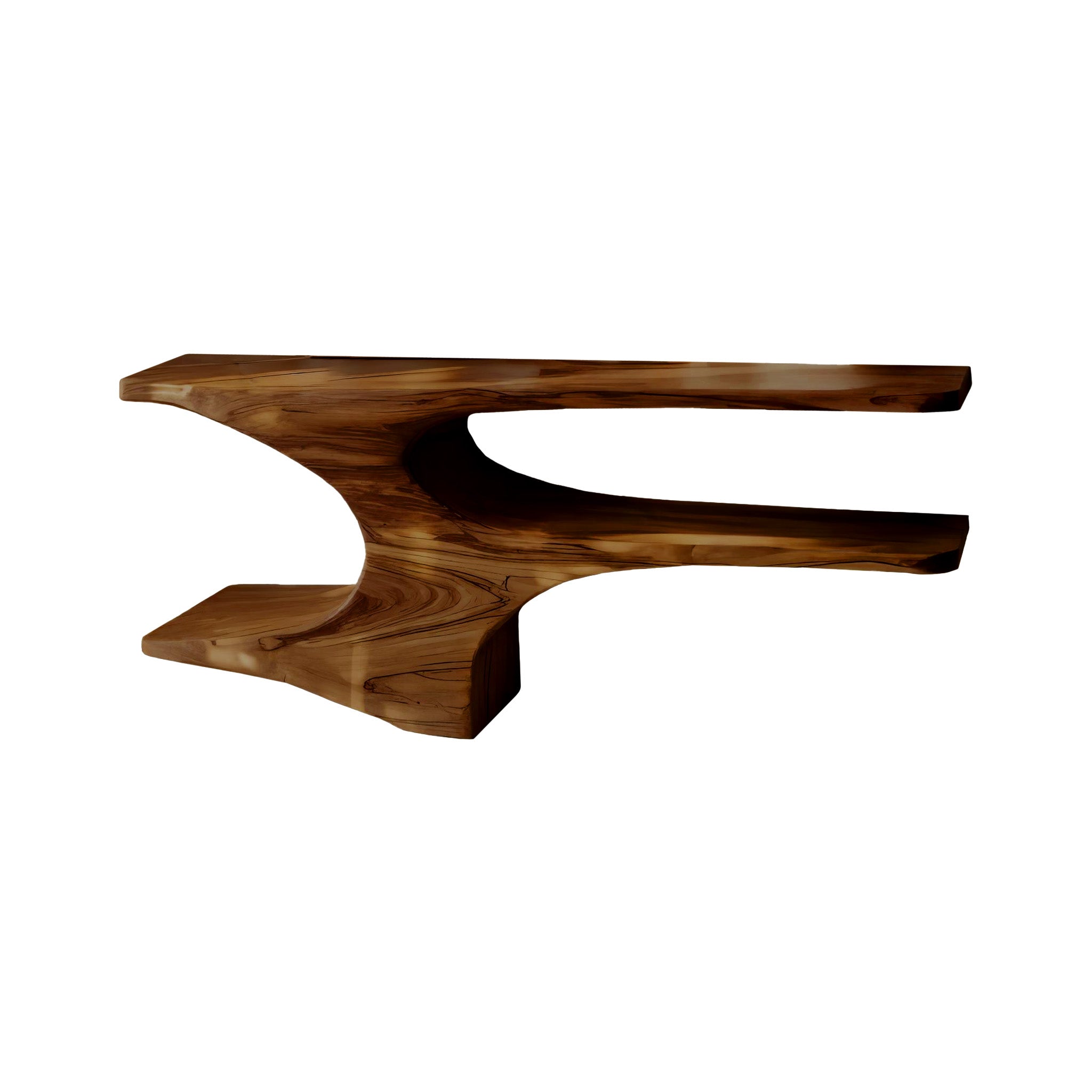
The good news is that creating a custom effect does not always require fully bespoke millwork. With the right material, size, finish, sink configuration, and styling details, even a straightforward remodel can feel elevated. From a high end bathroom vanity to a warm oak bathroom vanity, the best options combine practical function with furniture-like craftsmanship.
Why the Bathroom Vanity Has Such a Big Impact
In most bathrooms, the vanity sits at eye level and occupies a significant amount of wall space. Because of that, it naturally draws attention before smaller design elements do. A generic unit can make the room feel standard, while a thoughtfully selected vanity instantly adds personality and depth.
A custom-feeling bathroom vanity improves a renovation in several ways:
- It creates a stronger focal point.
- It adds warmth through real wood tones and texture.
- It improves storage and countertop usability.
- It helps the bathroom feel more cohesive with the home’s style.
- It can make builder-grade spaces feel elevated and intentional.
Whether your goal is spa-like minimalism, natural warmth, or a luxury hotel look, the vanity is where design and daily function meet.
Choose Furniture-Inspired Shapes for a Custom Look
One of the easiest ways to make a renovation feel less off-the-shelf is to choose a vanity that looks more like furniture than standard cabinetry. Legs, open shelving, fluted details, integrated pulls, and distinctive proportions all help create a curated appearance.
Floating vanities are ideal for modern spaces because they visually expand the floor area and create a sleek architectural line. Freestanding vanities, on the other hand, often feel more classic and tailored. Both can work beautifully when scaled correctly to the room.
In smaller bathrooms, a single sink wood bathroom vanity can feel especially refined when it includes thoughtful detailing such as rounded corners, slim drawers, or a rich stained finish. In larger shared baths, a double sink wood bathroom vanity provides both symmetry and functionality while reinforcing a custom-designed layout.
Use Real Wood Finishes to Add Depth and Warmth
If you want a renovation to feel more expensive and bespoke, wood is one of the best materials to incorporate. Painted vanities have their place, but natural wood tones introduce texture, softness, and visual richness that instantly make a bathroom feel more layered.
A solid wood bathroom vanity with sink offers both durability and a premium aesthetic. Real wood grain creates variation that cannot be replicated by flat laminates, and that variation is exactly what makes a room feel authentic and custom.
Popular wood directions include:
- Oak bathroom vanity: timeless, durable, and ideal for warm contemporary or Scandinavian-inspired spaces.
- Walnut bathroom vanity: darker, richer, and especially effective in luxe or mid-century influenced bathrooms.
- Modern wood bathroom vanity: clean-lined and minimalist, often featuring flat fronts and subtle hardware.
- Japandi bathroom vanity: simple, calming, and natural, with an emphasis on balance and understated craftsmanship.
The finish matters just as much as the species. Matte and low-sheen finishes usually feel more sophisticated than glossy ones, especially in bathrooms aiming for a tailored designer look.
Match the Vanity Style to the Architecture of the Home
A custom-feeling renovation always looks connected to the home rather than dropped in from a catalog. The vanity should reflect the broader architectural and decorative language of the house. This does not mean everything needs to match exactly, but the style should feel coherent.
For example, in a modern home, a streamlined modern wood bathroom vanity with slab drawers and minimal hardware can look intentional and refined. In a transitional home, an oak bathroom vanity with subtle panel detailing may be the better fit. In organic, serene interiors, a japandi bathroom vanity helps establish a calm atmosphere through natural materials and restrained lines.
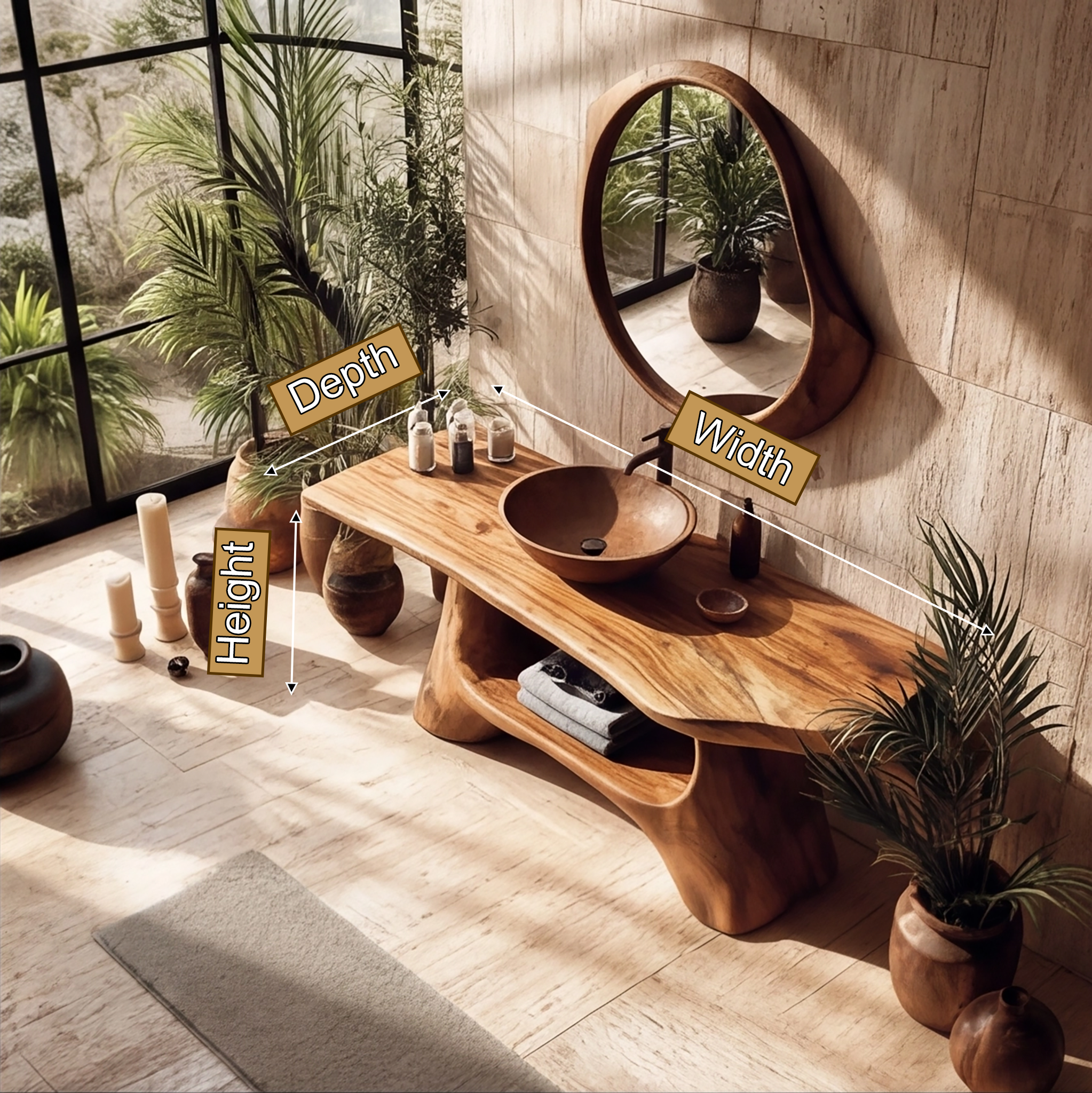
When the vanity aligns with the home’s overall design story, the bathroom immediately feels more considered and custom.
Prioritize Proportion and Scale
One reason some bathroom renovations fail to feel luxurious is poor scale. A vanity that is too small can look underwhelming, while one that is too large can make the room feel crowded. Custom-looking design depends on proportion.
Before choosing a vanity, consider:
- The width of the wall and surrounding clearances.
- The visual weight of the vanity compared with mirrors and lighting.
- The amount of countertop area needed for daily routines.
- Whether the room benefits more from open leg space or full storage volume.
In compact bathrooms, a carefully sized single sink wood bathroom vanity often feels more elegant than forcing in a larger piece. In family bathrooms or primary suites, a properly scaled double sink wood bathroom vanity can make the room feel balanced and distinctly upscale.
Upgrade Sink Configurations for Better Function and Style
Sink selection has a major influence on whether a bathroom vanity looks standard or custom. Integrated sinks feel sleek and easy to maintain, while vessel sinks can add sculptural drama when chosen thoughtfully. Undermount sinks are among the most versatile and timeless options, especially for wood vanities that need to feel tailored rather than trendy.
For many homeowners, a solid wood bathroom vanity with sink delivers the right mix of practicality and sophistication. The sink should support the vanity design rather than distract from it. In custom-feeling bathrooms, every element appears intentional, including faucet placement, sink shape, and counter overhang.
Double-sink layouts are especially useful in shared spaces, but they should not be selected automatically. If spacing becomes cramped, a single larger sink with more landing space may feel more luxurious. True customization is about function as much as appearance.
Incorporate Premium Countertop Materials
The countertop is another crucial layer in creating a more bespoke vanity design. Natural stone, engineered quartz, and quartzite all pair beautifully with wood vanities and can add visual contrast or tonal harmony depending on the palette.
To enhance a high end bathroom vanity look, consider countertops with subtle movement, eased edges, and matching backsplash details. These choices help the vanity read as a unified design feature rather than a basic cabinet-and-top combination.
Countertop colors that often work well with wood include:
- Soft white with faint veining for a classic upscale look.
- Warm ivory or sand tones for organic modern spaces.
- Charcoal or deep stone hues for bold contrast with lighter oak.
- Muted greige surfaces for a quiet, minimalist aesthetic.
The most successful combinations feel balanced. Rich wood grain paired with a clean, elegant surface is often the formula that gives a bathroom vanity its custom appeal.
Make Storage Feel Tailored to Real Life
Custom design is not just about appearance. It also means the bathroom works beautifully every day. Vanity storage should support your routines while keeping clutter out of sight. Deep drawers, divided organizers, pull-out trays, and integrated outlets all contribute to a more thoughtful result.
A vanity that looks beautiful but lacks functional storage will not feel luxurious for long. This is where well-designed wood vanities stand out. A single sink wood bathroom vanity can maximize every inch in a powder room or guest bath, while a double sink wood bathroom vanity can provide dedicated zones for shared use.
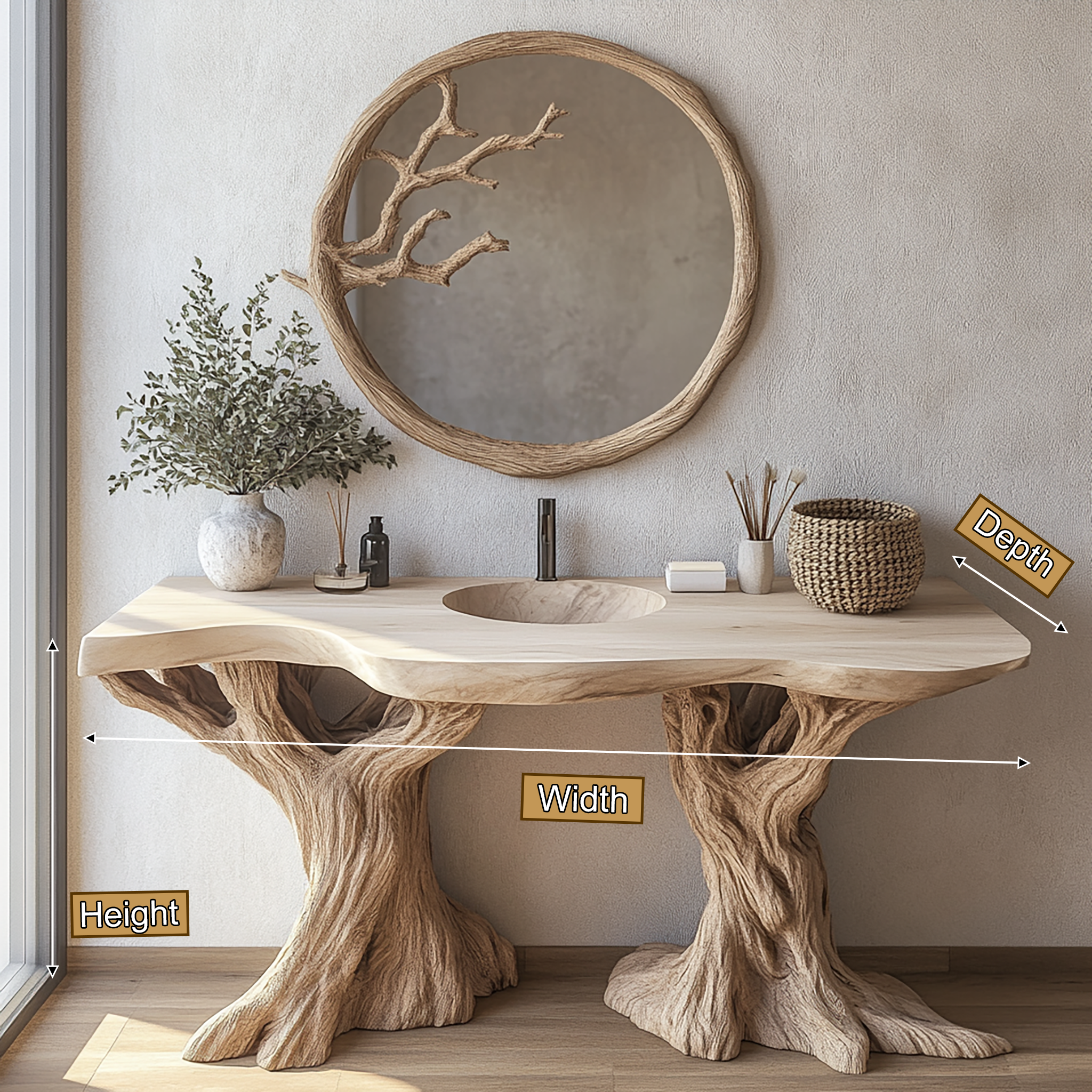
Look for storage features such as:
- Full-extension drawers for easier access.
- Drawer organizers for toiletries and grooming tools.
- Open lower shelves for towels or baskets.
- Concealed compartments for a cleaner countertop.
- Center towers or tall linen storage for larger bathrooms.
The more naturally the vanity supports daily habits, the more custom the entire renovation will feel.
Layer in Hardware and Fixtures That Elevate the Vanity
Hardware is a small detail with a big visual payoff. Swapping generic pulls for refined knobs, slim bar handles, or integrated finger pulls can instantly make a vanity look more expensive. The same is true for faucets. A beautiful faucet finish can transform the overall impression of the vanity.
Brushed nickel, warm brass, matte black, and aged bronze all work depending on the style direction. An oak bathroom vanity often pairs especially well with soft brass or black for contrast, while a walnut bathroom vanity can look striking with brushed metal finishes that emphasize its richness.
To make the vanity feel cohesive, repeat the same finish on mirror frames, sconces, and accessory details. Consistency creates the polished effect people associate with custom design.
Consider Floating Vanities for a More Architectural Look
If you want a renovation to feel modern and high-end, floating vanities are worth serious consideration. They create visual lightness and make the room appear larger, especially in small or narrow bathrooms. Because the floor remains visible beneath the vanity, the whole space can feel more open and refined.
A floating modern wood bathroom vanity works particularly well in contemporary interiors, but it can also complement Japandi and organic modern spaces when finished in warm wood tones. Add under-vanity lighting and the effect becomes even more architectural.
This approach is also useful when trying to give an everyday remodel a custom-built feeling. Floating installation often looks more intentional than a basic freestanding cabinet, especially when paired with wall-mounted faucets or oversized mirrors.
Use Color and Contrast Strategically
Not every bathroom vanity needs to blend in. Sometimes the most custom effect comes from contrast. A vanity in a rich wood tone can anchor a light bathroom, while a pale oak finish can soften darker tile or dramatic wall colors.
For example, a walnut bathroom vanity can create a sophisticated focal point against creamy stone or white walls. A lighter oak bathroom vanity can brighten spaces with concrete-look tile or muted green paint. The vanity should either support the room’s palette quietly or provide a confident point of emphasis.
Custom-feeling bathrooms usually avoid random contrast. Instead, they repeat tones across materials, such as matching the warmth of the wood with woven accents, brass lighting, or soft neutral textiles.
Create a Luxe Look with Symmetry
Symmetry is one of the oldest designer tricks for making a room feel calm, balanced, and expensive. In bathroom design, this often means centering the vanity precisely, using evenly spaced sconces, and aligning mirrors with sinks. A symmetrical composition can make even a simple vanity look elevated.
This is especially effective with a double sink wood bathroom vanity. Two mirrors, two faucets, and balanced drawer stacks create a strong visual rhythm that feels both practical and luxurious. In primary bathrooms, this layout supports shared use while delivering the kind of polished look associated with custom renovations.
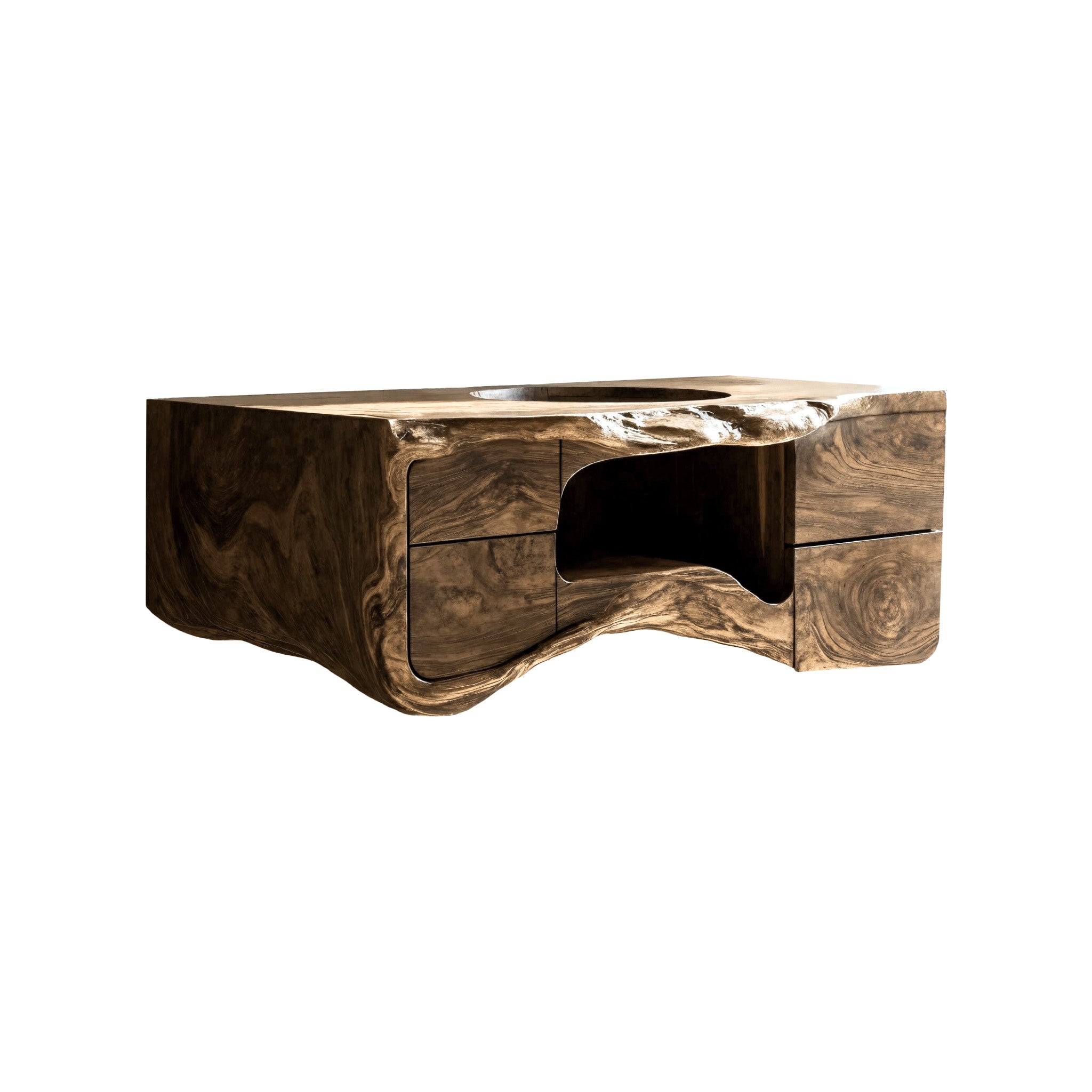
Even a single sink wood bathroom vanity can benefit from symmetry through centered mirrors, matching lighting, and thoughtfully placed accessories.
Bring in Japandi and Organic Modern Influence
One of the most requested directions in bathroom design today is the calming blend of minimalism and natural warmth often described as Japandi or organic modern. A japandi bathroom vanity is perfect for homeowners who want the room to feel serene, uncluttered, and deeply intentional.
These vanities typically feature:
- Natural wood finishes with visible grain.
- Simple forms without excessive ornament.
- Softly rounded edges or understated profiles.
- Muted stone countertops.
- Minimal hardware or integrated pulls.
This style works well because it does not chase decoration for its own sake. Instead, it emphasizes craftsmanship, proportion, and material honesty. That is exactly what makes a renovation feel more custom and less generic.
When to Invest in a High End Bathroom Vanity
In many remodels, the vanity is where spending a bit more delivers meaningful returns. A high end bathroom vanity often offers better construction, stronger drawer hardware, superior finishes, and a more furniture-like appearance. These qualities matter not only for style but also for durability in a moisture-prone environment.
It may be worth investing more in the vanity if:
- The bathroom is a primary suite used every day.
- You want to increase resale appeal.
- You are keeping the layout simple and need one standout feature.
- You prefer natural materials such as solid wood.
- You want storage that feels customized to your routine.
A high-quality vanity can often do more to elevate the room than adding multiple trendy finishes or decorative extras.
Styling Details That Complete the Custom Effect
Once the vanity is installed, the finishing details help reinforce the custom look. Mirrors, sconces, trays, greenery, and carefully edited countertop styling can make the bathroom feel resolved rather than newly assembled.
Keep styling functional and restrained. A custom-looking space usually feels intentional, not crowded. Consider a ceramic tray for everyday items, neatly folded hand towels, and a small vase or branch for softness. Let the vanity remain the star.
This is especially important with richly toned wood pieces such as a walnut bathroom vanity or a beautifully grained solid wood bathroom vanity with sink. Too many accessories can compete with the material itself.
Final Thoughts
If you want a renovation to feel more personal, polished, and architecturally grounded, start with the bathroom vanity. It is one of the few elements that influences storage, style, daily use, and visual impact all at once. The right vanity can turn a standard update into a space that feels thoughtful and custom.
Whether you choose a warm oak bathroom vanity, a refined single sink wood bathroom vanity, a spacious double sink wood bathroom vanity, or a luxurious high end bathroom vanity, focus on real materials, smart proportions, and cohesive details. When those pieces come together, the bathroom does not just look renovated. It feels designed.