Tree Shaped Bookshelf for Small Spaces: Maximize Your Room
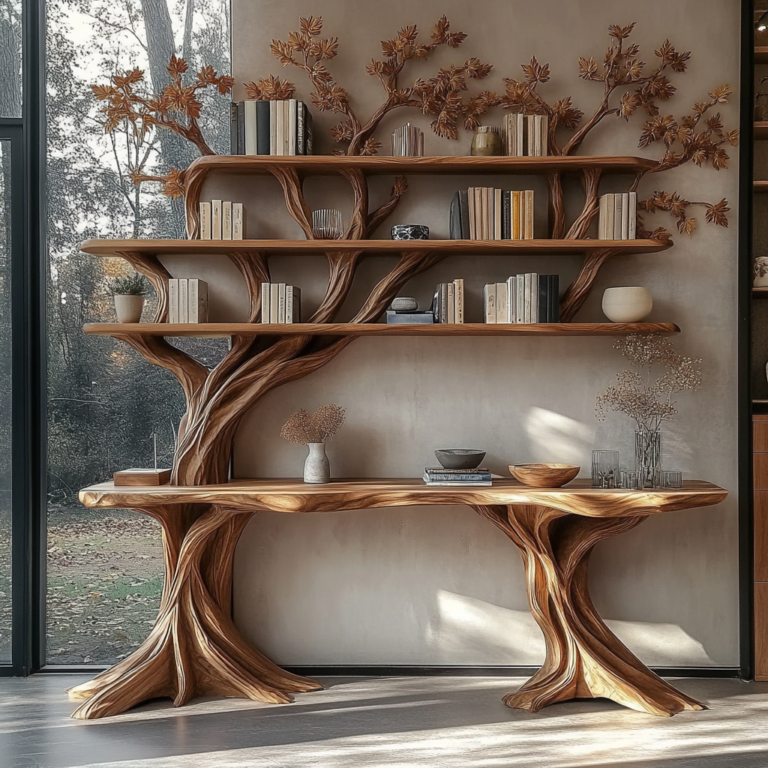
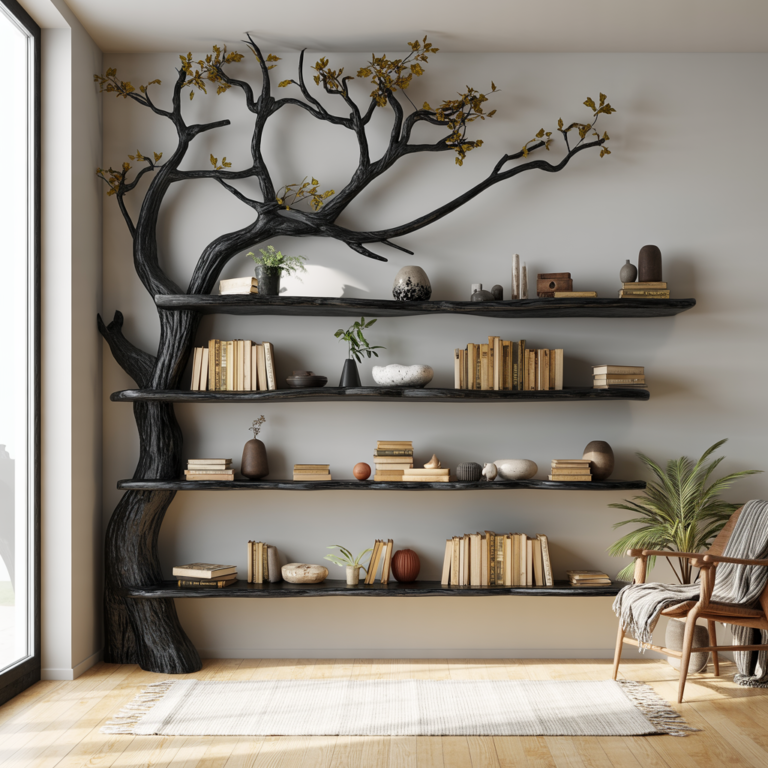
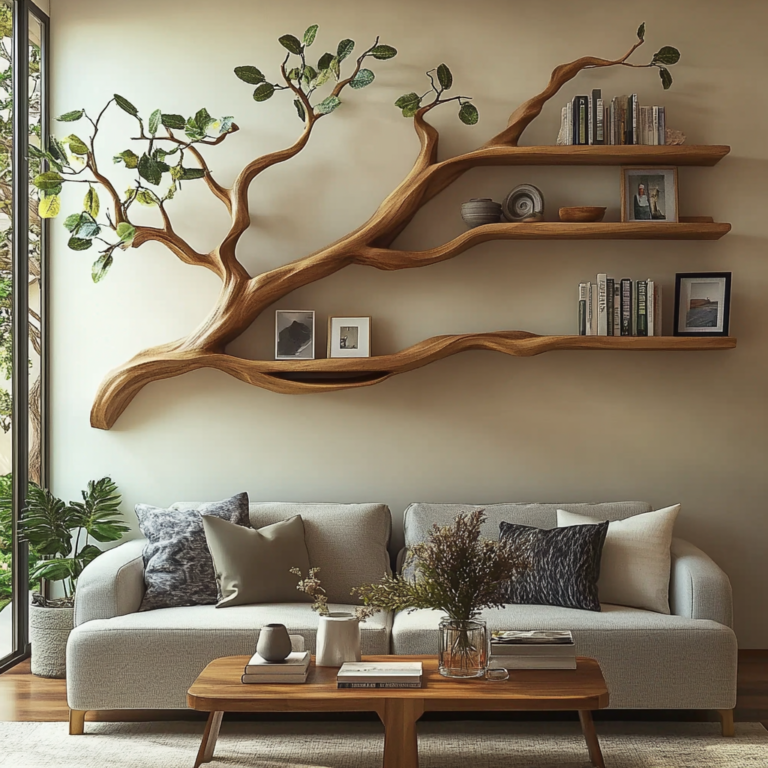
When every square foot matters, a thoughtfully chosen storage solution can change how a room functions and feels. A tree shaped bookshelf is more than a whimsical statement piece — it’s a smart vertical storage system that leverages height, creates visual interest, and keeps clutter under control. This guide covers why tree bookshelves work so well in small spaces, how to choose or build one, and practical styling and placement strategies to maximize your room.

Why a Tree Shaped Bookshelf Works in Small Spaces
- Vertical storage: Tree bookshelves take advantage of wall height, freeing up floor area for movement and multifunctional furniture.
- Visual lightness: Open shelving and trunk-and-branch silhouettes reduce visual bulk compared with heavy, closed cabinets.
- Multi-functionality: Many designs accommodate books, plants, baskets, and decorative items, consolidating storage needs into one footprint.
- Design impact: A tree bookshelf doubles as art, adding character to compact rooms without needing extra décor.
Types of Tree Shaped Bookshelves
Choosing the right style can make or break how well the piece fits your room.
- Minimalist silhouette: Slim metal or light-wood frames with staggered shelves — ideal for modern, airy interiors.
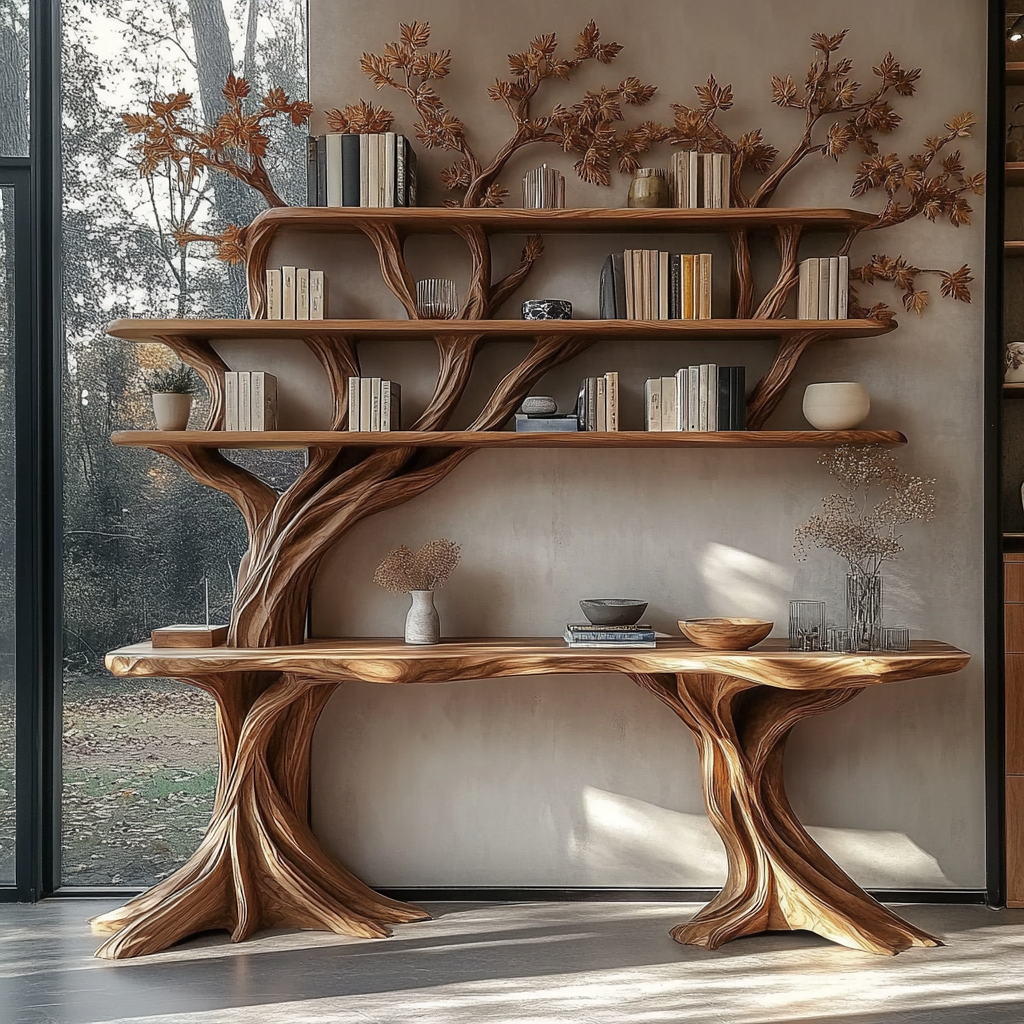
- Natural wood vibe: Solid or veneered wood that echoes tree branches for a warm, organic look, great in Scandinavian or rustic spaces.
- Modular/tree-of-shelves: Interlocking units that can be scaled or reconfigured — perfect for renters or growing collections.
- Built-in or wall-mounted: Anchored directly to studs, these save floor space and increase safety in tight rooms.
- Children’s tree bookshelf: Lower shelves and playful colors that double as a reading nook and storage solution in a kid’s room.
Sizing and Proportion: Measure First
Measure the available wall height and width before you shop or build. For small spaces, follow these quick guidelines:
- Leave at least 3 feet (90 cm) of usable floor width in front of the unit so doors and traffic aren’t obstructed.
- Use the full wall height where ceiling height allows — a 7–8 ft (2.1–2.4 m) tall tree bookshelf creates substantial storage without consuming floor area.
- Consider shelf depth: 8–12 inches (20–30 cm) is ideal for books and small decor; deeper shelves can make the piece feel heavy.
Placement Strategies for Small Rooms
Placement determines how much room you actually save.

- Vertical focus: Place the tree bookshelf against a narrow wall to draw the eye upward and make the ceiling feel higher.
- Corner solution: Corner tree bookshelves exploit dead space while providing balanced storage; choose rounded or tapered designs to avoid sharp corners.
- Divide without blocking: Use a taller tree shelf as a room divider between a sleeping area and a living area in studio apartments, keeping the open side toward the more active zone.
- Above furniture: Wall-mount smaller tree shelves above desks or sofas to add storage without stealing floor space.
Materials, Construction, and Durability
Material choice affects weight, longevity, and visual heft. Match materials to the room’s function:
- Plywood/solid wood: Durable and repairable; choose lighter-toned wood to keep the space feeling open.
- Metal frame + wood shelves: Offers an industrial look with a lighter visual footprint; metal frames can be thinner while staying strong.
- MDF and veneers: Affordable and paintable; beware of moisture and lower load capacity compared to solid wood.
- Eco-friendly options: Bamboo and reclaimed wood are strong choices that add texture and sustainability value.
Styling Tips to Maximize Perceived Space
How you style a tree shaped bookshelf affects both function and the room’s perceived size.
- Alternate book stacks: Combine vertical book rows with horizontal stacks to create rhythm and usable surfaces for decor.
- Negative space: Leave at least 20–30% of shelves open to avoid the cluttered, heavy look that makes small rooms feel cramped.
- Use baskets and boxes: Uniform containers hide small items and create a tidy grid; choose light neutrals for a cohesive look.
- Introduce green: Small trailing plants on staggered shelves play into the tree motif and soften hard lines.
- Limit color palette: Stick to three complementary colors to maintain visual harmony and prevent the shelf from dominating the room.
Buying vs. DIY: What to Consider
Both paths have benefits.

- Buying: Quick and often cost-effective. Look for units with secure anchoring systems and good customer reviews regarding weight limits.
- DIY: Offers customization of height, branch spacing, and materials. You can create thinner profiles that fit awkward nooks and match existing trim or flooring.
- Hybrid: Buy a simple frame and customize shelves, finish, or backing to save time while getting a tailored result.
DIY Build Basics for a Tree Shaped Bookshelf
If you choose to build, follow these practical steps:
- Sketch the silhouette and measure the target wall; create a full-scale paper template for accuracy.
- Choose materials based on load: 3/4″ (18 mm) plywood for shelves, 2×2 or 1×3 timber for supports.
- Cut shelves in tapered lengths to mimic branches; sand edges and pre-drill holes to avoid splitting.
- Assemble the trunk first, then attach shelves incrementally, checking level and spacing as you go.
- Secure to studs or use strong wall anchors. Safety first: anchor tall units to prevent tipping.
Maintenance and Longevity
To keep your tree bookshelf functional and looking fresh:
- Regularly dust and occasionally rotate heavier books to avoid sagging shelves.
- Use felt pads under decorative items to prevent surface wear.
- Tighten hardware annually and monitor anchors if the unit supports heavy loads.
Top Use Cases for Small Rooms
- Studios and micro-apartments: Divide zones and store essentials vertically.
- Home offices: Combine book storage with display space for work materials and décor.
- Nurseries and kids’ rooms: Low shelves for toys and books encourage independence and tidy habits.
- Entryways: Slim tree shelves hold keys, mail, and small plants without crowding the path.
Final Checklist Before Buying or Building
- Measure the wall and clearance space accurately.
- Decide floor vs. wall-mounted based on safety and floor area needs.
- Choose materials that match load expectations and room humidity.
- Plan for anchoring and long-term maintenance.
- Sketch a styling plan to avoid overfilling the shelves and losing the airy effect.
Conclusion
A tree shaped bookshelf is an elegant solution for small spaces, offering vertical storage, decorative flair, and practical organization. With thoughtful sizing, correct placement, and smart styling, a tree bookshelf can transform cramped rooms into efficient, beautiful living spaces. Whether you buy a ready-made piece or craft your own, prioritize proportion, anchoring, and a consistent styling approach to make the most of every inch.
Frequently Asked Questions
Is a tree shaped bookshelf stable enough for heavy books?
Yes, if constructed with sturdy materials, appropriate shelf depth, and properly anchored to studs. Opt for thicker plywood or solid wood for shelves and reinforce long spans to prevent sagging.
Can a tree bookshelf be used as a room divider?
Absolutely. A taller tree bookshelf with an open-back design can divide zones while maintaining sightlines and light flow — ideal for studios and shared spaces.
How do I keep a small tree bookshelf from looking cluttered?
Embrace negative space, use matching storage bins for small items, and rotate decorative accents seasonally. Keep a simple color palette and avoid filling every shelf edge-to-edge.
Use these tips and design ideas to choose or build a tree bookshelf that not only fits your small space but elevates it. Thoughtful vertical storage turns limitations into opportunities.