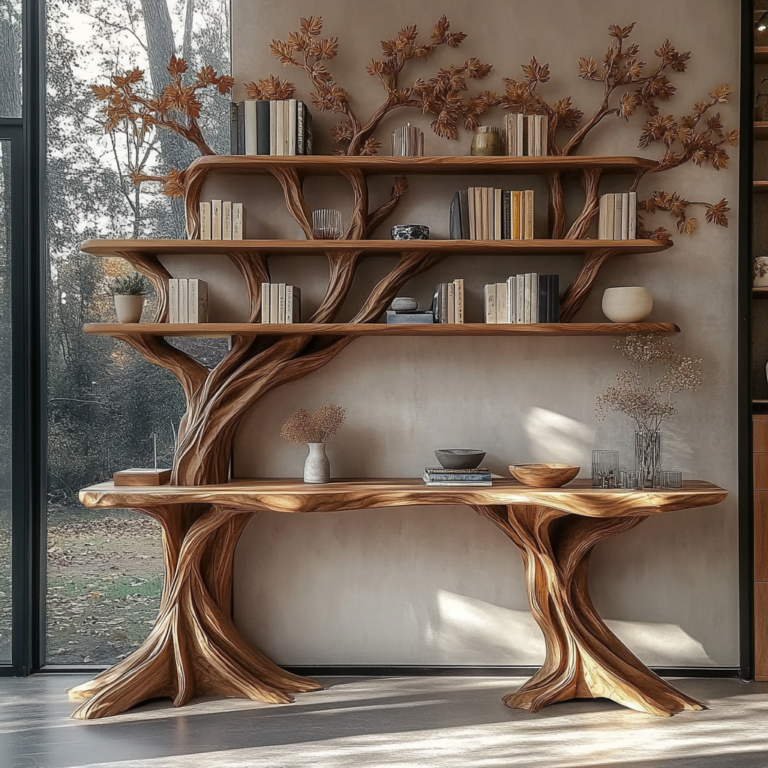
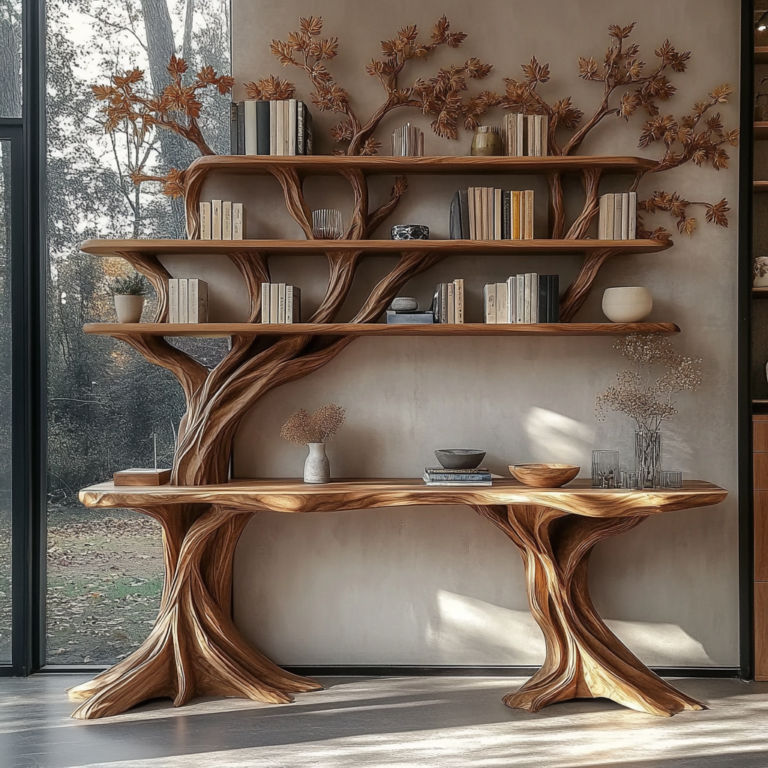
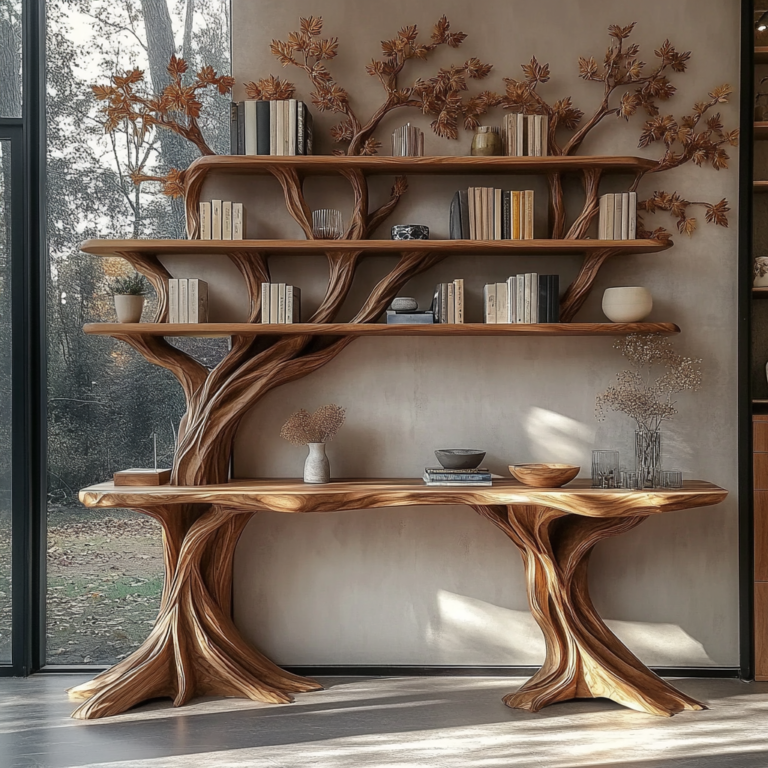
Why a Mushroom Floating Shelf Feels So Magical
A Mushroom Floating Shelf brings together whimsy and practicality in a way few decor pieces can. Inspired by woodland tales, cottage interiors, and fantasy worlds, these shelves instantly soften a room and create a focal point that feels imaginative without sacrificing usefulness. Whether styled in a nursery, reading nook, bedroom, or creative studio, a mushroom-inspired shelf adds personality that standard rectangular shelving rarely achieves.

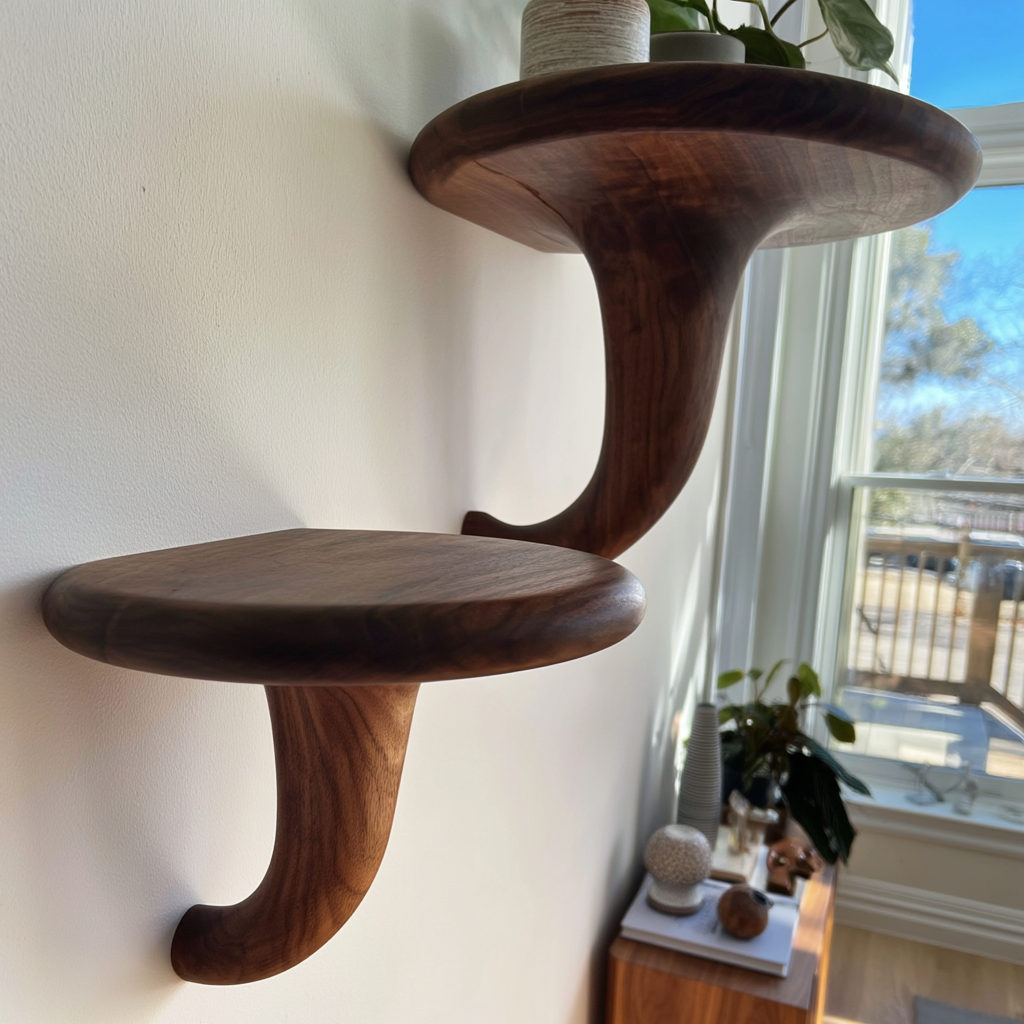
The appeal lies in its silhouette. Rounded caps, organic curves, and earthy textures make a mushroom floating shelf feel handcrafted and alive. It can evoke fairy forests, vintage storybooks, and cozy natural interiors while still functioning as a display shelf for books, candles, framed art, plants, or keepsakes. In modern homes where every object must be both beautiful and functional, this design stands out for all the right reasons.
What Defines a Great Mushroom Floating Shelf Design
Not every fantasy-inspired shelf succeeds. The best mushroom floating shelf designs balance decorative charm with thoughtful construction. A strong design usually includes a broad top surface, concealed mounting hardware for the floating effect, and materials that support the sculptural shape without looking bulky. The shelf should feel light on the wall while remaining stable enough to hold everyday decor items.
Another hallmark of a great design is proportion. Some shelves feature a cap-like top with a narrow stem base, while others abstract the mushroom form through soft rounded edges and subtle contours. Both approaches can work beautifully. The most effective pieces feel intentional rather than novelty-driven. They complement the room instead of overpowering it.
- Organic curves: Soft, rounded forms create the storybook effect.
- Concealed brackets: Hidden mounting preserves the floating illusion.
- Natural finishes: Wood grain, matte paint, or textured plaster-like coatings enhance authenticity.
- Useful depth: A practical surface makes the shelf more than just decor.
- Balanced scale: The design should suit the size of the wall and nearby furniture.
Popular Storybook-Inspired Styles
There is no single way to interpret a mushroom floating shelf. Some homeowners prefer literal mushroom shapes with painted caps and tiny woodland details. Others want a sophisticated version that hints at nature through curves, muted colors, and artisan craftsmanship. Understanding the major style directions makes it easier to choose a piece that fits your space.
1. Woodland Cottage Style
This version leans into rustic textures, warm woods, and earthy tones. Think oak, walnut, or pine with carved edges that resemble a mushroom cap. These shelves pair beautifully with linen curtains, botanical prints, and cozy layered textiles. A woodland cottage mushroom floating shelf works especially well in reading corners and bedrooms where softness matters.
2. Fairy Tale Nursery Style
For nurseries and children’s rooms, mushroom shelving often features pastel tones, rounded silhouettes, and playful details. Soft reds, creams, sage greens, and blush pinks can all reinforce the enchanted forest mood. Use these shelves to display storybooks, stuffed animals, and keepsakes in a way that feels charming but organized.
3. Minimal Whimsy Style
If your home is more modern, choose a mushroom floating shelf with understated curves and a monochrome finish. Cream, clay, taupe, or muted terracotta tones keep the look refined. This style allows you to enjoy the softness of organic design without making the room feel overly themed.
4. Handcrafted Artisan Style
Some of the most striking shelves look sculpted by hand, with subtly irregular edges and tactile finishes. Ceramic-inspired coatings, limewash paint, and carved wood grain all add depth. These pieces often feel bespoke and can elevate a room by introducing a collector’s-item quality.
Best Materials for a Mushroom Floating Shelf
Material choice affects not only the appearance of a mushroom floating shelf but also its durability, weight capacity, and maintenance. For a long-lasting piece, it is worth considering how the shelf will be used and in which room it will be installed.
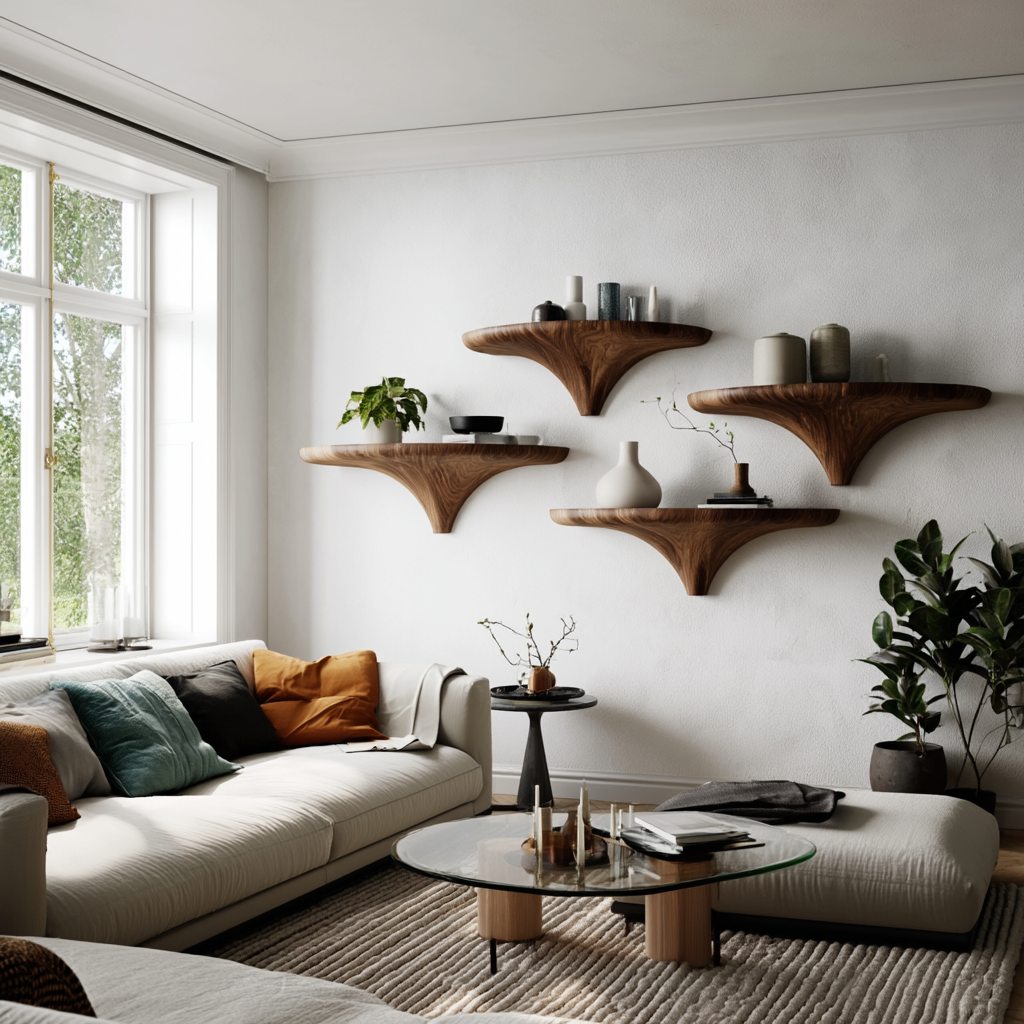
Solid Wood
Solid wood is one of the most desirable materials because it offers warmth, character, and structural strength. It can be carved into rounded forms and finished in ways that highlight the natural grain. Hardwoods such as oak and maple are especially durable, while pine creates a softer, more rustic look at a lower price point.
MDF with Painted Finish
MDF is commonly used for decorative shelving because it can be shaped smoothly and painted in whimsical colors. A well-made MDF mushroom floating shelf can look polished and playful, though it may not handle moisture or heavy loads as well as hardwood.
Plywood
Plywood offers a middle ground between affordability and strength. When finished properly, it can produce clean curves and support moderate weight. It is often a smart choice for custom builds or DIY storybook shelving.
Resin or Composite Materials
For highly sculptural designs, resin or composite materials may be used to achieve dramatic shapes and textured finishes. These shelves can look highly artistic, though the visual effect depends heavily on craftsmanship and mounting quality.
Where to Use a Mushroom Floating Shelf
One of the biggest advantages of a mushroom floating shelf is its versatility. While the design is whimsical, it can be adapted to many rooms depending on color, size, and styling. Placement plays a major role in whether the shelf feels elegant, cozy, or overtly playful.
In a Nursery
A mushroom floating shelf is a natural fit for nurseries because it enhances a gentle, imaginative atmosphere. Place it above a dresser or reading chair to hold board books, framed illustrations, and small toys. Look for rounded edges and child-friendly finishes.
In a Reading Nook
If you are creating a storybook-inspired corner for reading, a mushroom shelf can become the signature detail. Install one or two shelves beside a comfy chair and style them with favorite novels, a small lamp, dried florals, or woodland figurines.
In a Bedroom
In adult bedrooms, a mushroom floating shelf can serve as a softer alternative to conventional wall-mounted nightstands or accent shelves. Neutral finishes help the shape feel refined, especially when paired with warm lighting and minimal decor.
In an Entryway
An entryway shelf with mushroom curves immediately gives guests a memorable first impression. Use it to hold a candle, catchall dish, or small vase. In this setting, choose a slightly more architectural design for balance.

In a Creative Studio
Artists, writers, and makers often gravitate toward decor that feels inspiring. A mushroom floating shelf in a studio can display sketchbooks, ceramics, crystals, or small objects that spark creativity. It adds softness and individuality to the workspace.
How to Style a Mushroom Floating Shelf Beautifully
The right styling makes all the difference. Because the shelf itself is visually expressive, avoid overcrowding it. A few carefully chosen objects will preserve the whimsical silhouette while enhancing its storybook appeal.
- Mini framed art: Botanical sketches, woodland animals, or fairy tale illustrations work well.
- Small potted plants: Ferns, trailing ivy, or moss arrangements reinforce the natural theme.
- Candles: Taper candles or softly scented pillar candles create cozy atmosphere.
- Books: Vintage storybooks, poetry collections, or clothbound classics add charm.
- Ceramic objects: Handmade vases and bowls complement the organic form of the shelf.
- Seasonal accents: Tiny pumpkins in autumn or dried flowers in spring keep the display fresh.
A good rule is to combine height, texture, and negative space. Let one object stand upright, another sit lower, and leave part of the shelf visible. That balance keeps the composition airy and intentional.
Color Ideas That Enhance the Storybook Effect
Color can dramatically shape how a mushroom floating shelf is perceived. Soft neutrals make it elegant, while richer hues make it playful and imaginative. Choosing the right palette depends on whether you want the shelf to blend in or stand out.
Earthy Neutrals
Shades like cream, sand, mushroom taupe, warm brown, and muted clay create a grounded, nature-inspired look. These colors are excellent for bedrooms, living spaces, and minimalist interiors.
Forest-Inspired Tones
Sage, moss, chestnut, and bark tones deepen the woodland atmosphere. These hues feel especially fitting in reading nooks and cottage-style rooms.
Whimsical Pastels
Blush, dusty rose, buttercream, and soft green add a fairy tale sweetness that suits nurseries and playful spaces. They can make a mushroom floating shelf feel gentle and dreamy.
Classic Red-and-Cream Accents
For a more iconic mushroom look, red caps with creamy stems can be striking. This approach is best used thoughtfully so the shelf remains stylish rather than costume-like. It often works best in children’s rooms or highly themed interiors.
DIY vs. Buying Ready-Made
If you love custom decor, you may be deciding whether to build your own mushroom floating shelf or purchase one from an artisan maker or specialty retailer. Each option has clear advantages.
DIY Benefits
A DIY shelf allows for complete control over dimensions, finish, and detailing. You can tailor the shape to fit a specific wall and coordinate it perfectly with your room’s palette. DIY is also appealing if you enjoy woodworking or want a one-of-a-kind result on a budget.
Buying Ready-Made Benefits
Purchasing a finished mushroom floating shelf saves time and often ensures better structural engineering, especially for concealed mounting. Artisan-made shelves may offer exceptional craftsmanship, unique finishes, and polished detailing that would be difficult to replicate at home.
For most buyers, the right choice depends on skill level, budget, and how customized the final look needs to be. If function is a priority, always make sure the shelf includes secure mounting hardware and clear weight guidelines.
What to Look for Before You Buy
Not all decorative shelves are built equally. Before investing in a mushroom floating shelf, check the practical details behind the design.
- Weight capacity: Ensure it can support the items you plan to display.
- Mounting system: Hidden brackets should be sturdy and suitable for your wall type.
- Dimensions: Confirm depth, width, and projection from the wall.
- Finish durability: Painted or textured surfaces should resist chipping and wear.
- Edge smoothness: Especially important in nurseries and children’s rooms.
- Material quality: Strong construction matters as much as appearance.
Reading product descriptions carefully can prevent disappointment. A beautiful shelf should also feel secure, level, and durable in everyday use.
How a Mushroom Floating Shelf Fits Current Interior Trends
The rise of biophilic design, cottage-inspired decorating, and softer organic forms has made the mushroom floating shelf especially relevant. Today’s interiors are moving away from harsh lines and purely utilitarian furniture. Homeowners want pieces that feel comforting, expressive, and personal. A shelf inspired by natural forms aligns perfectly with that shift.
It also supports the growing interest in curated interiors. Rather than filling homes with generic storage, people are choosing fewer objects with more character. A mushroom floating shelf acts as both functional storage and wall art, which makes it ideal for spaces where every piece needs to contribute visually.
Final Thoughts
A Mushroom Floating Shelf is more than a trend piece. When chosen thoughtfully, it becomes a small architectural detail that adds warmth, imagination, and individuality to a room. From rustic woodland styles to refined minimalist interpretations, these shelves can adapt to many interiors while still preserving their storybook magic.
If you want a home that feels inviting, memorable, and slightly enchanted, this is one of the most charming ways to get there. The right mushroom floating shelf creates a sense of wonder on an everyday wall, proving that practical decor can still feel deeply imaginative.